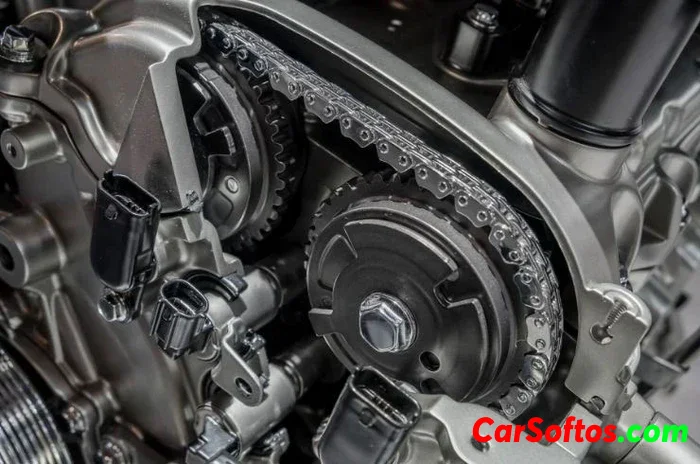
P0340 – Camshaft Position Sensor Circuit Malfunction
This code means the engine control module (ECM) is not receiving a proper signal from the camshaft position sensor (CMP).

| Rate the site |
P0340 – Camshaft Position Sensor Circuit Malfunction
This code means the engine control module (ECM) is not receiving a proper signal from the camshaft position sensor (CMP).

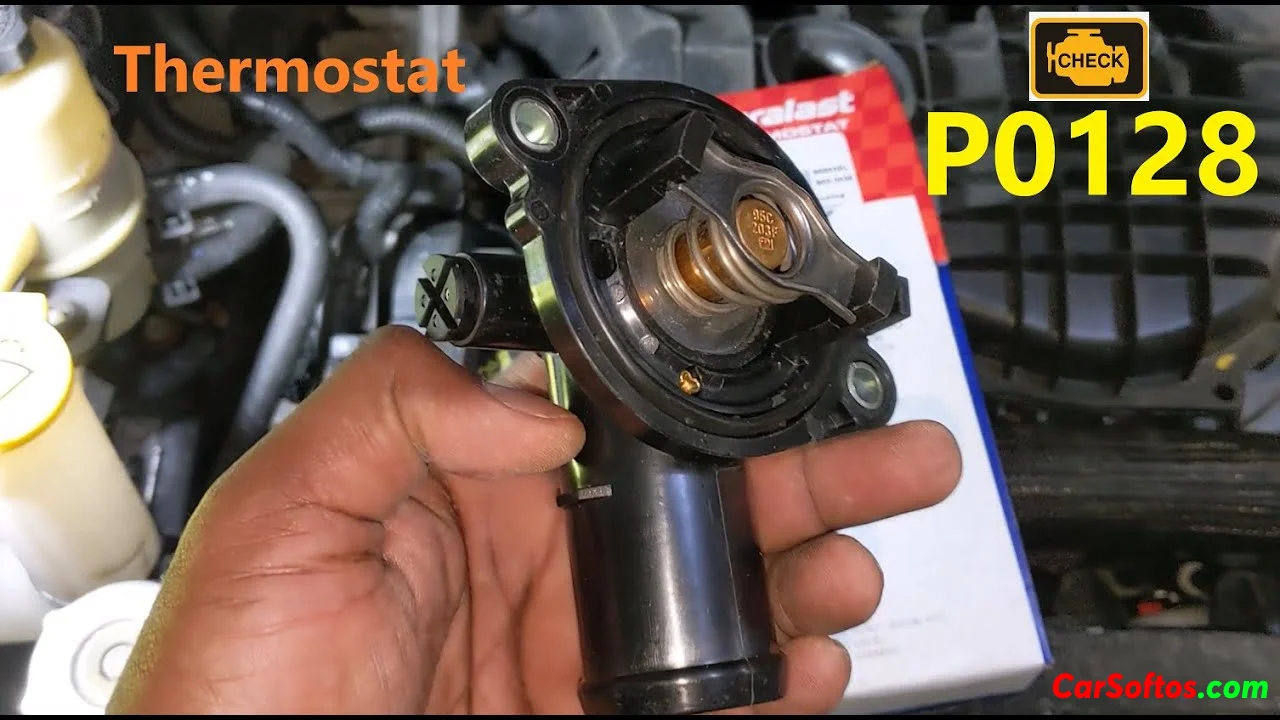
P0128 – Coolant Temperature Below Thermostat Regulating Temperature
This code means the engine is not warming up as quickly as it should.
The engine control module (ECM) expects the coolant temperature to reach a certain level within a specific time.
If it stays too cool for too long → P0128 is triggered.
P0087 – Fuel Rail/System Pressure Too Low
This code means the engine control module (ECM) has detected that fuel pressure in the rail is below the required threshold.
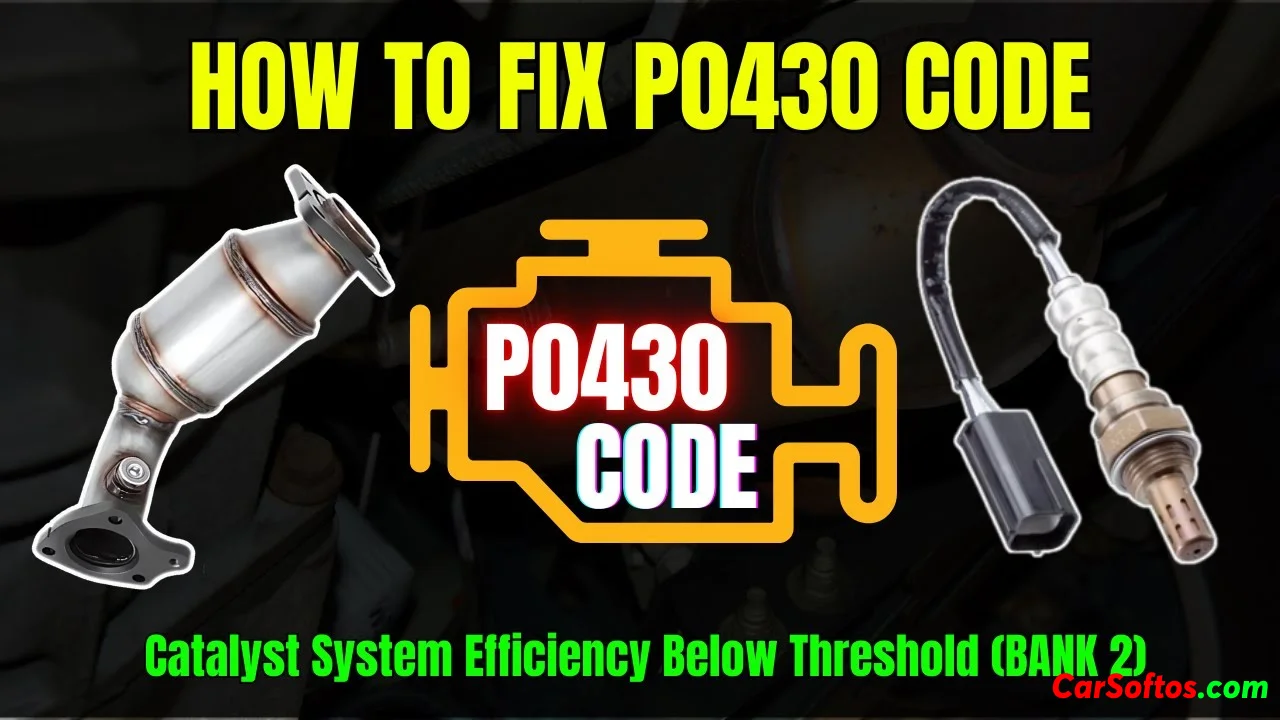
P0430 – Catalyst System Efficiency Below Threshold (Bank 2)
This code means the catalytic converter on Bank 2 is not cleaning exhaust gases efficiently enough.
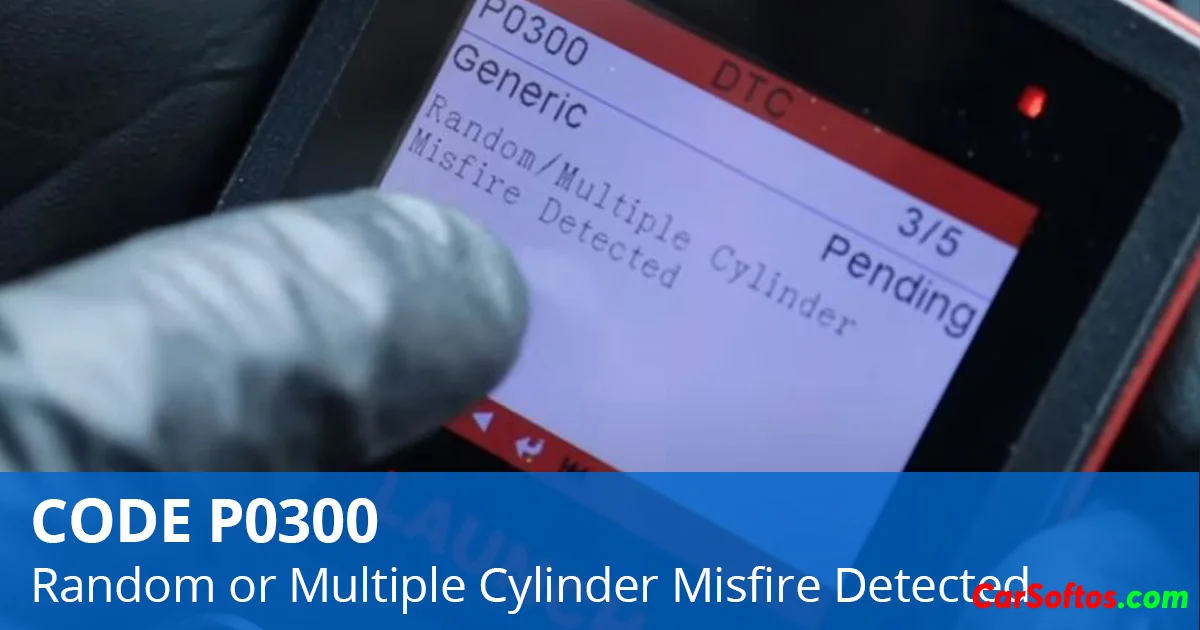
P0300 – Random/Multiple Cylinder Misfire Detected
This code means the engine control module (ECM) has detected misfires occurring randomly across multiple cylinders.
Unlike P0301–P0304 (specific cylinder misfires), P0300 indicates the issue is not limited to one cylinder.
This makes diagnosis more complex — and more important.
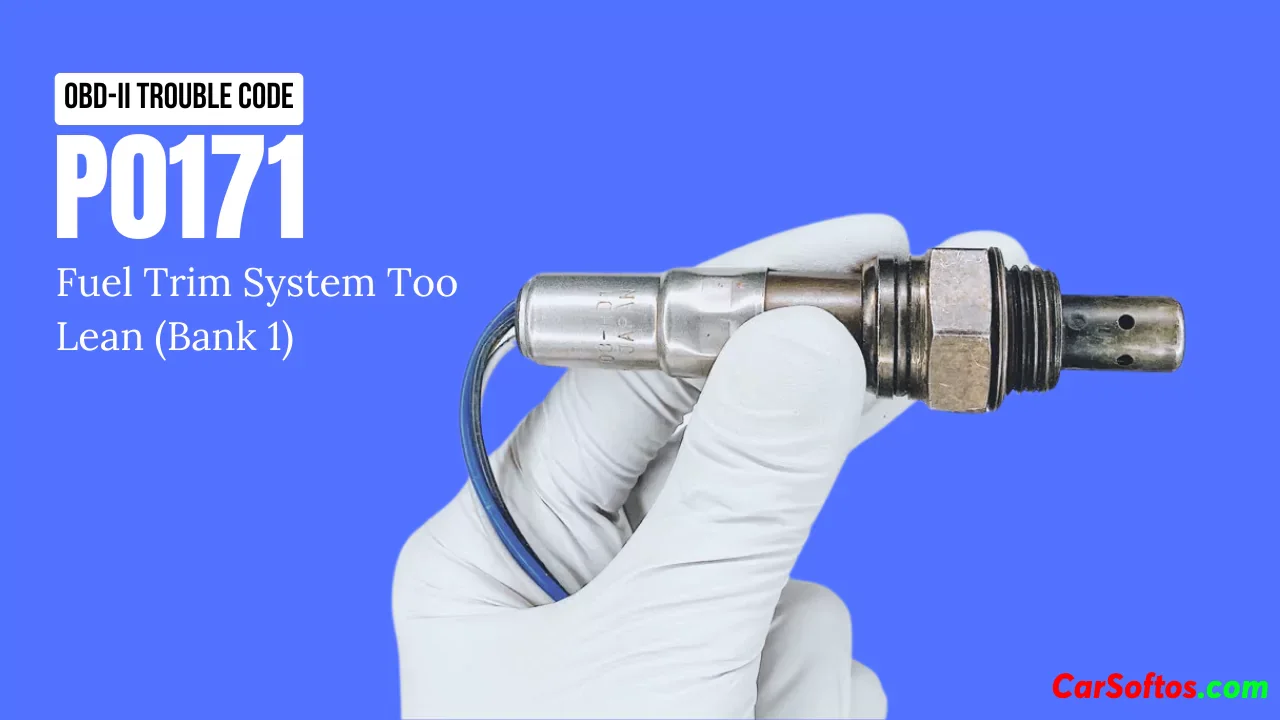
P0171 – System Too Lean (Bank 1)
This code means the engine control module (ECM) has detected too much air and not enough fuel on Bank 1.
Bank 1 is the side of the engine that contains cylinder #1.
On inline 4-cylinder engines, there is only one bank — so P0171 applies to the whole engine.
P0174 – System Too Lean (Bank 2)
This code means the engine computer has detected too much air and not enough fuel on Bank 2 of the engine.
P0101 – Mass Air Flow (MAF) Circuit Range/Performance Problem
This code appears when the engine computer detects that the airflow reading from the MAF sensor does not match expected engine conditions.
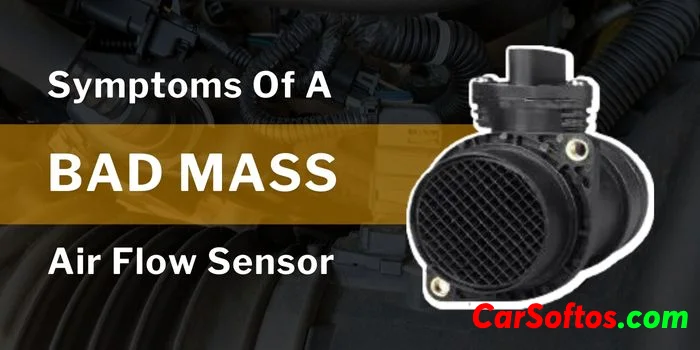
The Mass Air Flow (MAF) sensor measures how much air enters the engine.
Your ECU uses this airflow number to calculate:
how much fuel to inject
ignition timing adjustments
idle stability
emissions control strategy
When the MAF reading is wrong (dirty sensor, air leaks, wiring issues), the ECU “guesses” fuel delivery — and that’s when you get rough idle, hesitation, poor MPG, and the Check Engine Light.
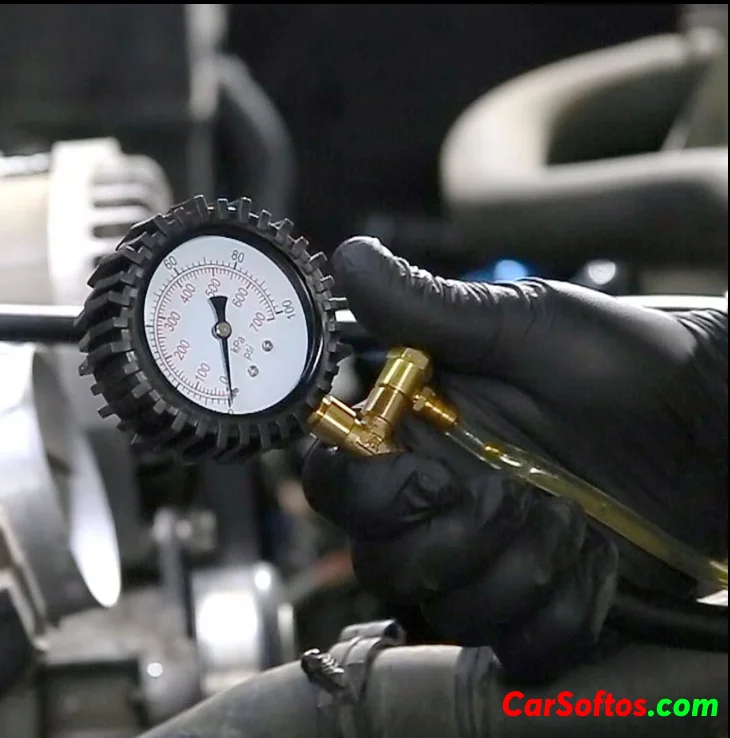
A failing fuel pump can absolutely trigger a Check Engine Light.
The fuel pump is responsible for delivering pressurized fuel from the tank to the engine.
If pressure drops or becomes unstable, the engine may not receive the correct fuel amount.
Modern vehicles detect fuel pressure changes very quickly — even before major symptoms appear.