Navigation

Top News

Statistics

Advertisement


Yes — And It Can Become Expensive If Ignored

A failing fuel injector can absolutely trigger a Check Engine Light.

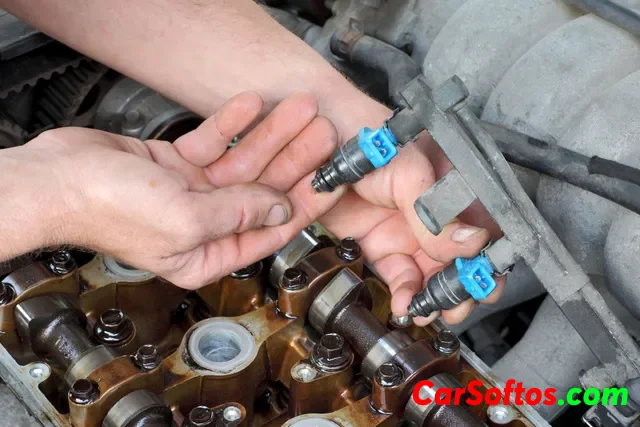
Fuel injectors are responsible for delivering precise amounts of fuel into each cylinder.
If one injector becomes clogged, stuck, or leaks, the air-fuel mixture becomes unstable.

Modern engines detect even small combustion imbalances — and immediately log error codes.

  • LIKE
  • 0


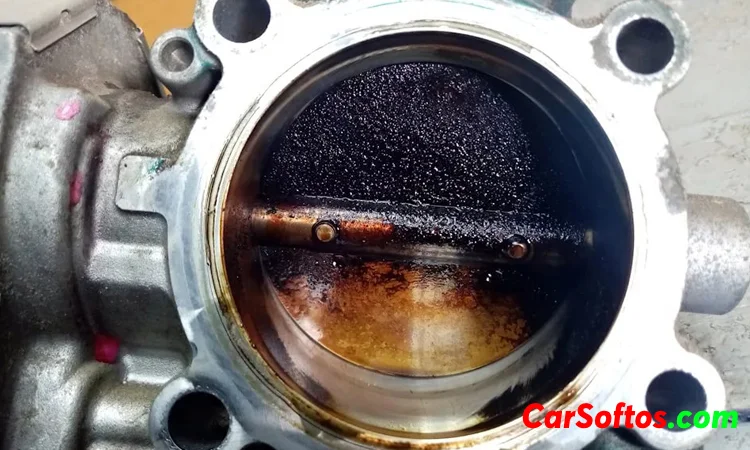
A dirty throttle body is one of the most overlooked causes of a Check Engine Light.

Over time, carbon buildup accumulates inside the throttle body, restricting airflow and confusing the engine computer.

When airflow becomes unstable, the ECU may trigger warning codes.

  • LIKE
  • 0


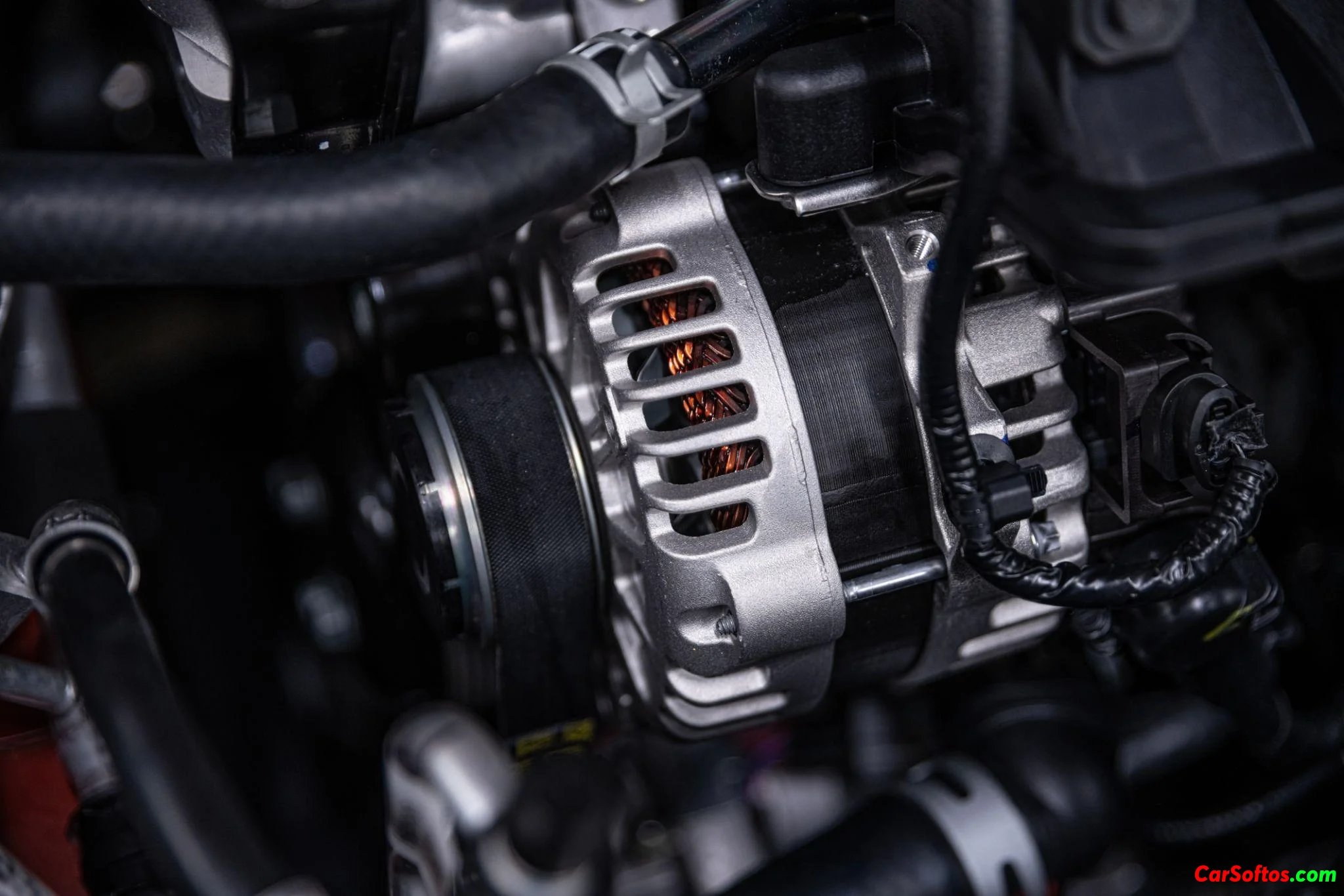
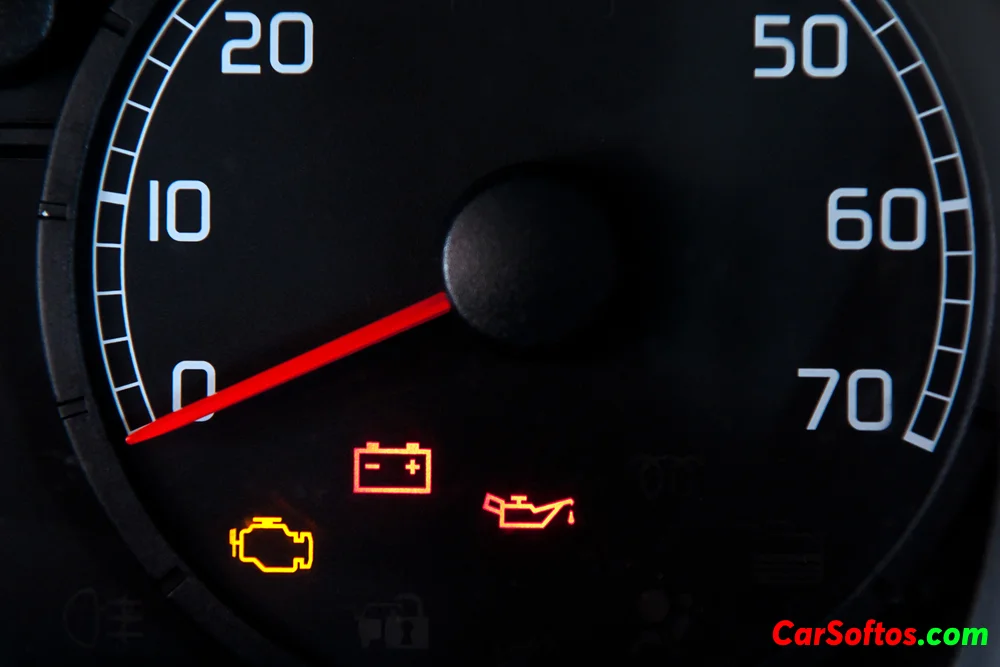
When a Check Engine Light appears, most drivers think about sensors or engine problems.

But the alternator — the component responsible for charging the battery — can also trigger warning lights.

Modern vehicles depend on stable electrical voltage.
If the alternator fails or produces unstable output, the engine computer may detect irregularities and store error codes.

  • LIKE
  • 0


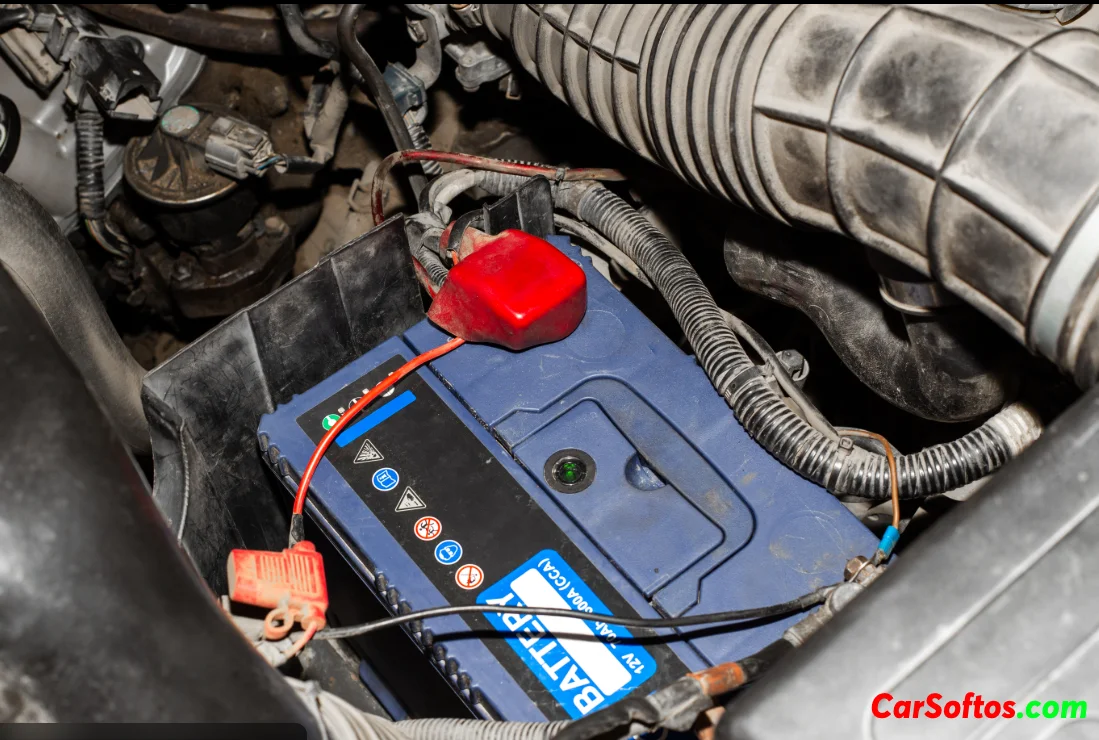
Many drivers don’t connect battery health with engine warning lights.

After all, the battery just starts the car… right?

Not exactly.

Modern vehicles rely heavily on stable voltage for sensors, control modules, and engine management systems.

A weak or failing battery can absolutely trigger a Check Engine Light.

  • LIKE
  • 0
Author: carsoftos777 | 21-02-2026, 03:07 | OBD2 Error Codes | Views: 56 | Comments: 0


Many drivers notice something strange:

The Check Engine Light turns on…
Then disappears a few days later…
Then comes back again.

Is the problem fixing itself?
Or is something getting worse?

According to mechanics, there are several common reasons why this happens — and most are related to how modern vehicles monitor systems.

  • LIKE
  • 0


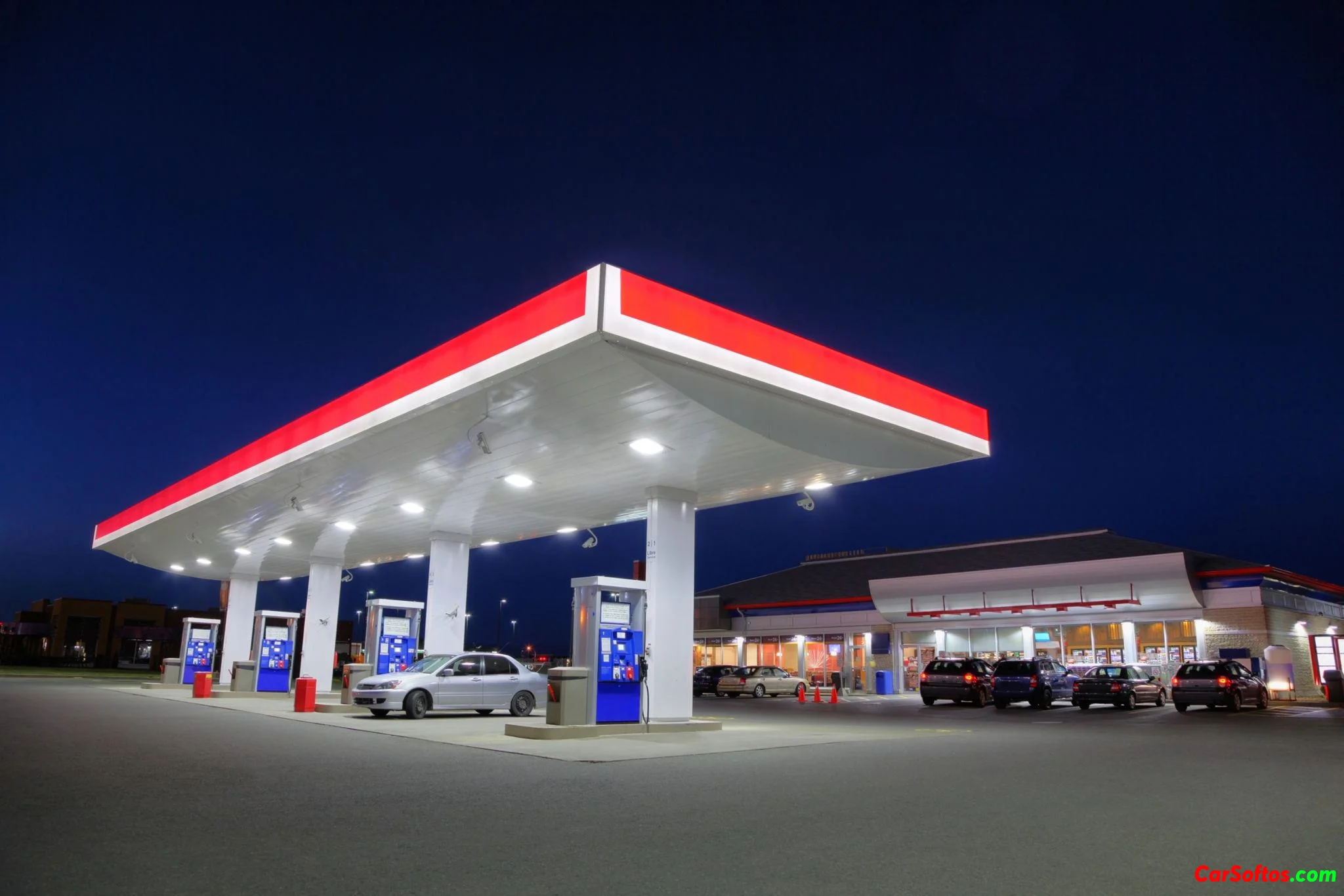
Many drivers notice the same pattern:

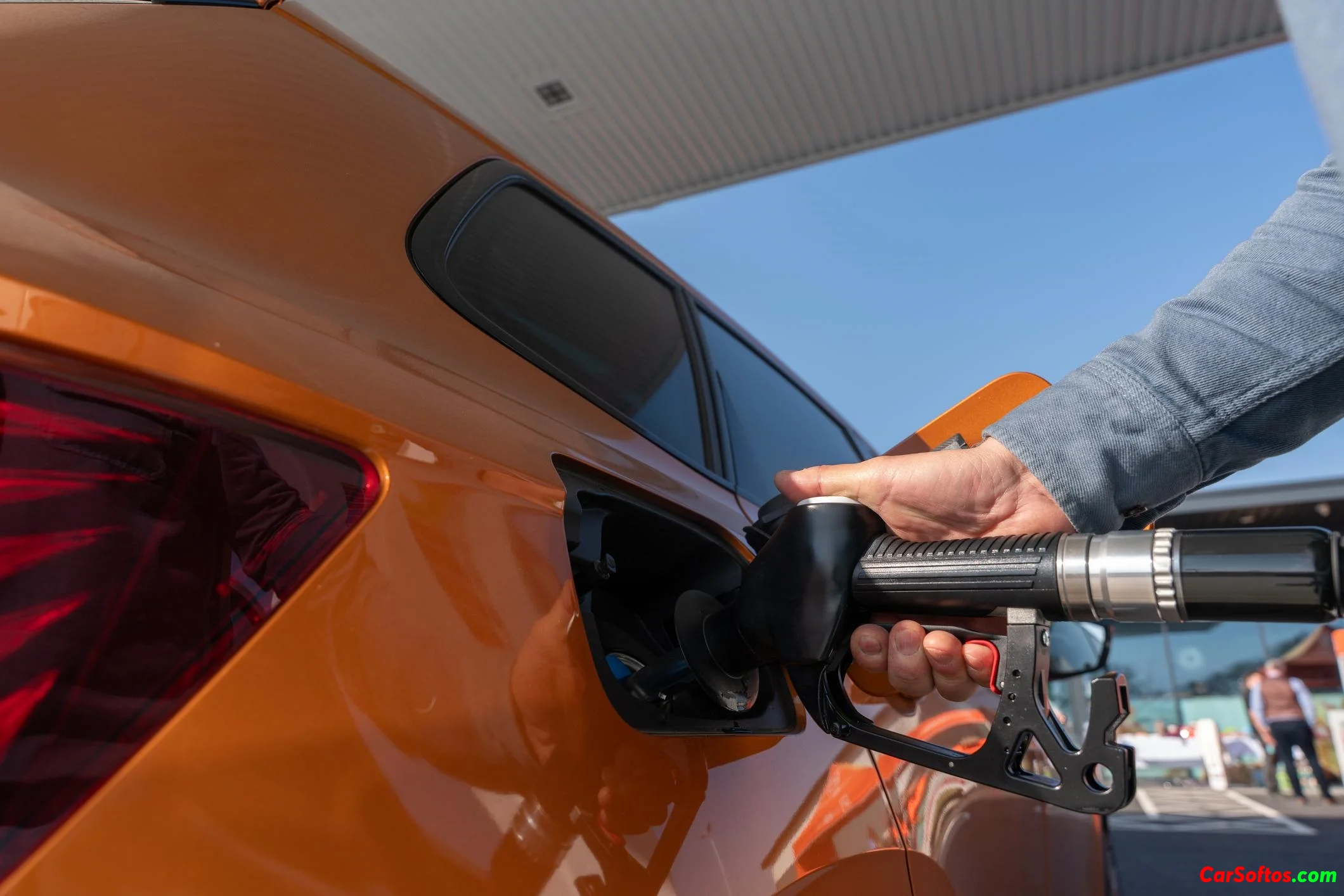
You fill up your gas tank…
Start the car…
And suddenly the Check Engine Light appears.

Is it bad fuel?
Did something break?
Or is it just a coincidence?

According to mechanics, refueling is one of the most common triggers for EVAP-related codes.

  • LIKE
  • 0


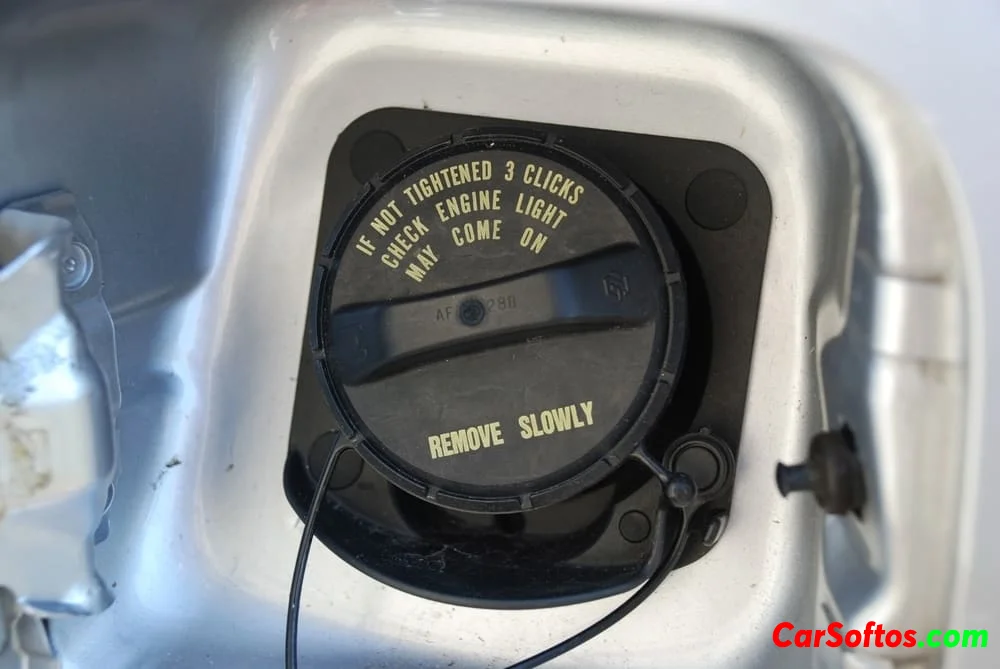
Many drivers are surprised to learn that something as simple as a loose gas cap can turn on the Check Engine Light.

It sounds almost unbelievable — but yes, it absolutely can.

In fact, mechanics say a loose or damaged gas cap is one of the most common causes of check engine warnings.

  • LIKE
  • 0


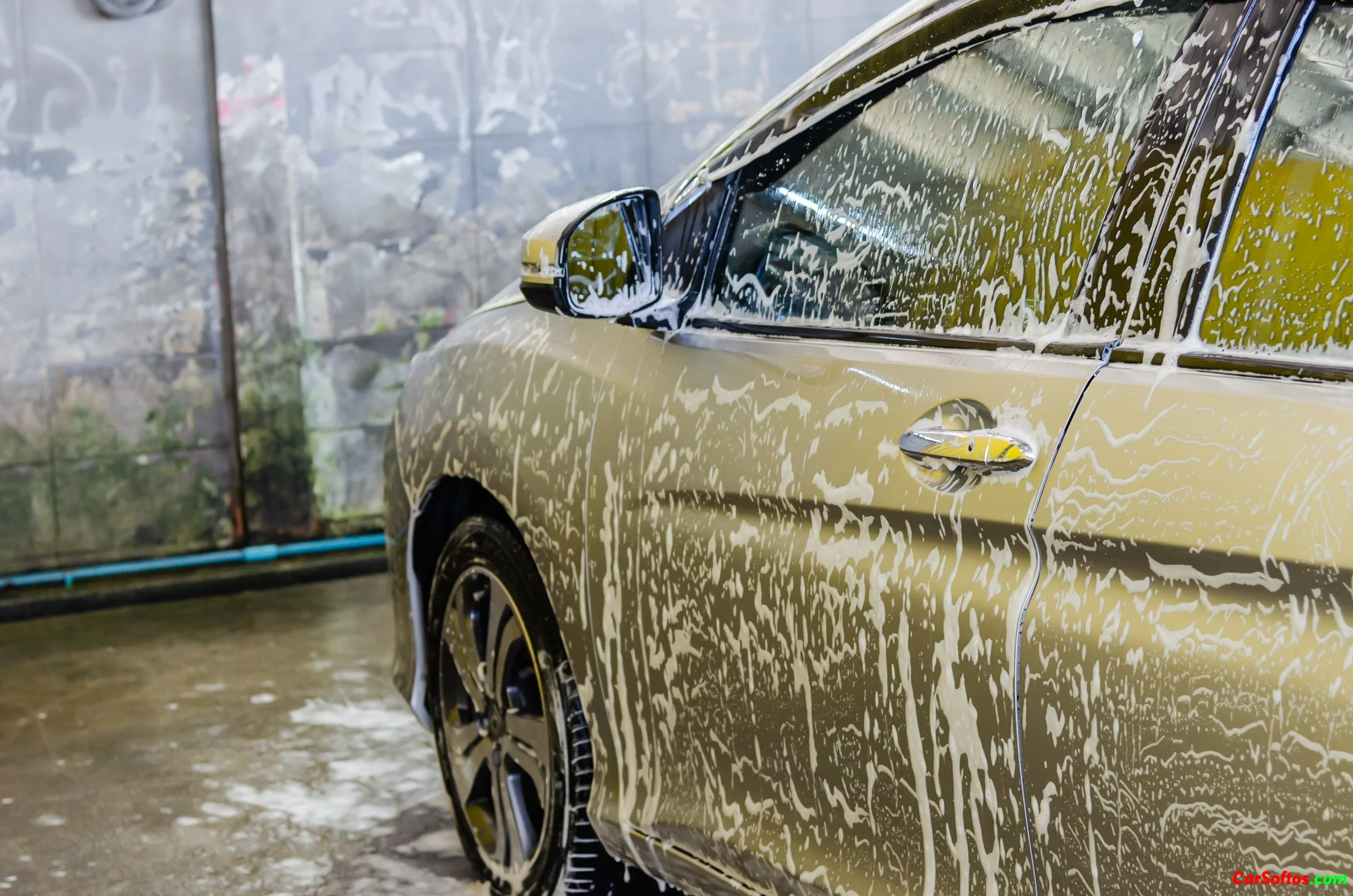
Many drivers notice this pattern:

It rains heavily…
Or they wash the car…
And suddenly the Check Engine Light turns on.

Is water really capable of triggering engine error codes?

According to mechanics — yes, it can.

But usually the problem is not serious engine damage.

  • LIKE
  • 0


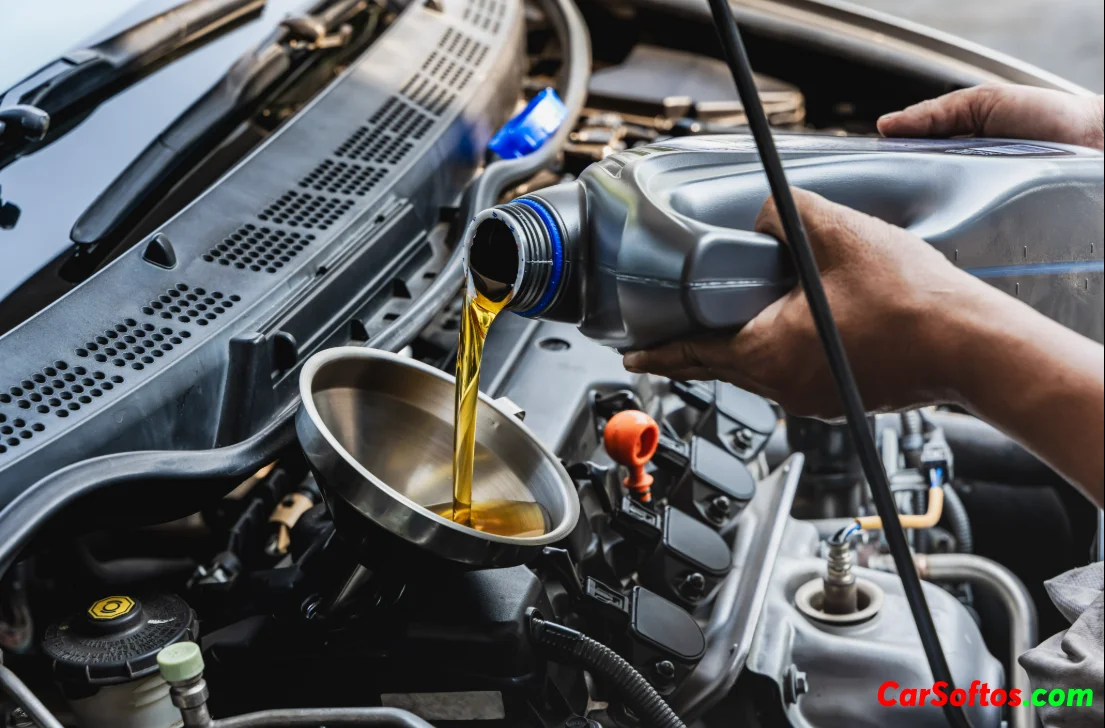
Many drivers experience this frustrating scenario:

You get an oil change…
Drive away…
And suddenly the Check Engine Light turns on.

Is it a coincidence?
Did the shop make a mistake?
Is something damaged?

According to mechanics, there are several common reasons this can happen — and most are fixable.

  • LIKE
  • 0


When the Check Engine Light turns on shortly after refueling, many drivers immediately assume one thing:

“Bad gas.”

But can poor fuel quality really trigger OBD2 error codes?

According to mechanics, the answer is yes — but not always in the way people think.

  • LIKE
  • 0