
Navigation
Top News
Statistics
Advertisement
Аrchives
Votes
| Rate the site |
Why Your Check Engine Light Turns On After Rain or a Car Wash
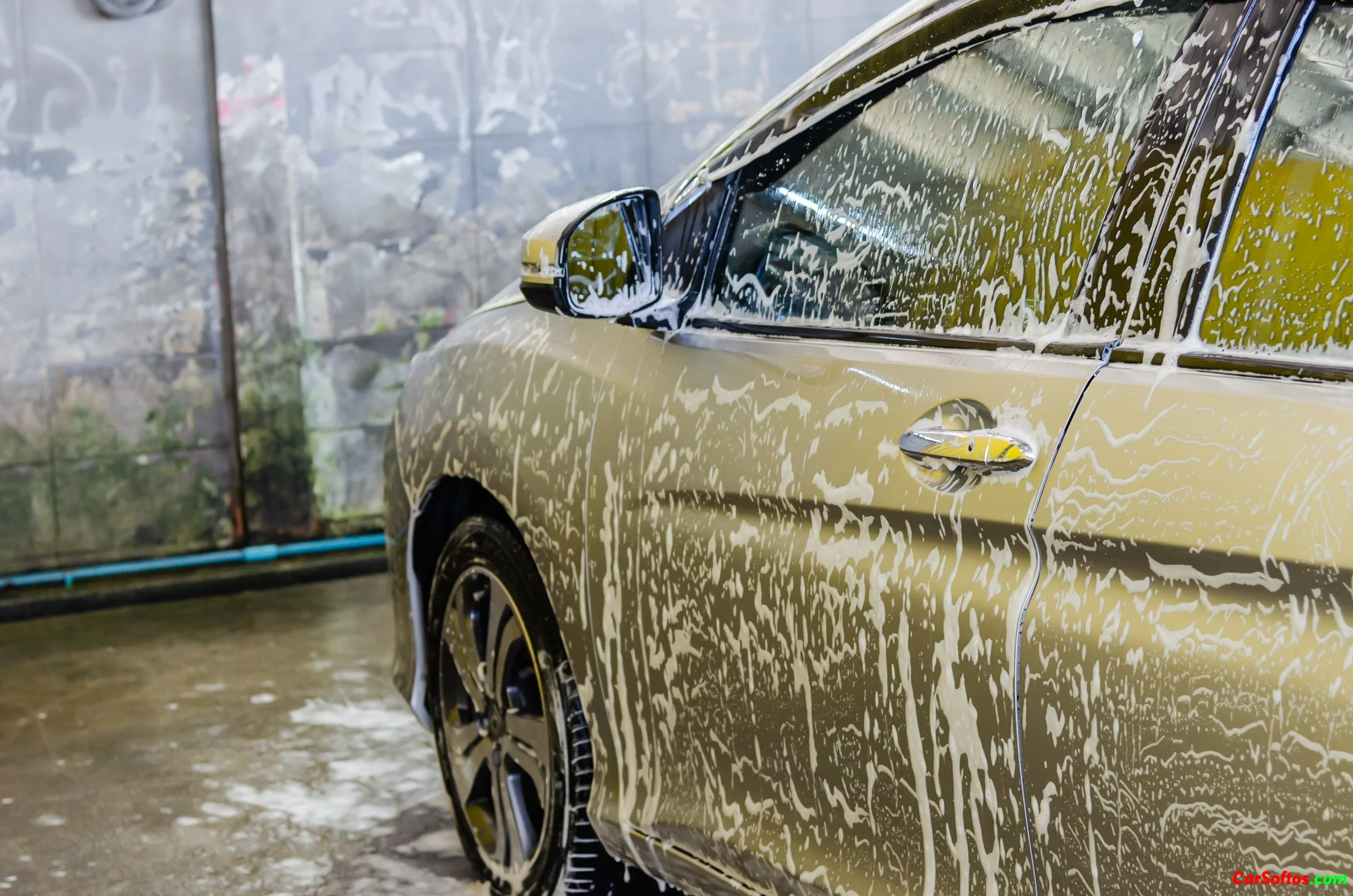
Many drivers notice this pattern:
It rains heavily…
Or they wash the car…
And suddenly the Check Engine Light turns on.
Is water really capable of triggering engine error codes?
According to mechanics — yes, it can.
But usually the problem is not serious engine damage.
How Moisture Affects Modern Vehicles
Modern cars are packed with:
-
electrical connectors
-
sensors
-
wiring harnesses
-
air intake components
If moisture enters sensitive areas, temporary or recurring error codes may appear.
1️⃣ Wet Ignition Components (Very Common)
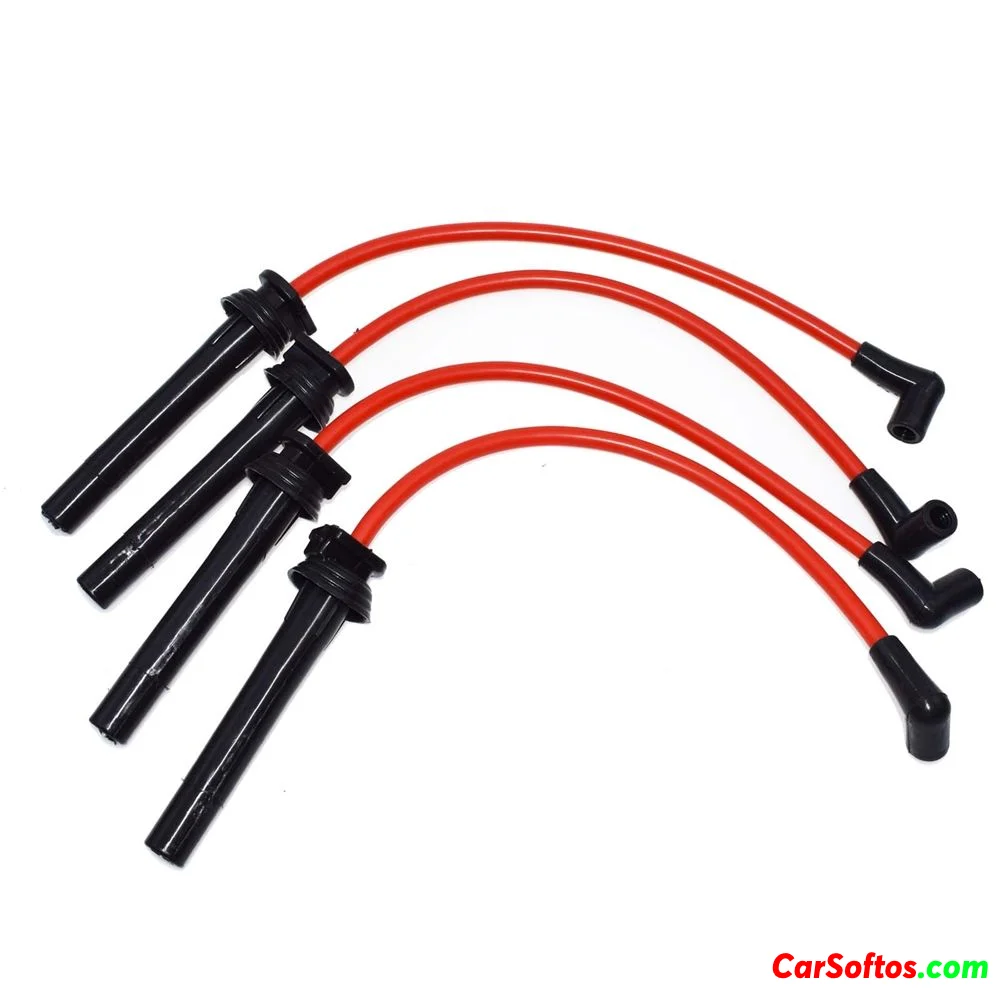
Rain or high-pressure washing may allow moisture to reach:
-
ignition coils
-
spark plug wires
-
coil connectors
This can cause misfires such as:
-
P0300 (Random Misfire)
-
P0301–P0304 (Cylinder Misfires)
Symptoms may include:
-
rough idle
-
shaking engine
-
temporary power loss
Often the problem disappears once components dry out.
2️⃣ MAF Sensor or Air Intake Moisture
If water enters the air intake system:
-
airflow readings become unstable
-
fuel trims change
-
engine may run lean or rich
Possible codes:
-
P0101 (MAF Performance)
-
P0171 (Too Lean)
-
P0172 (Too Rich)
High-pressure car washes increase this risk.
3️⃣ Oxygen Sensor Connector Moisture
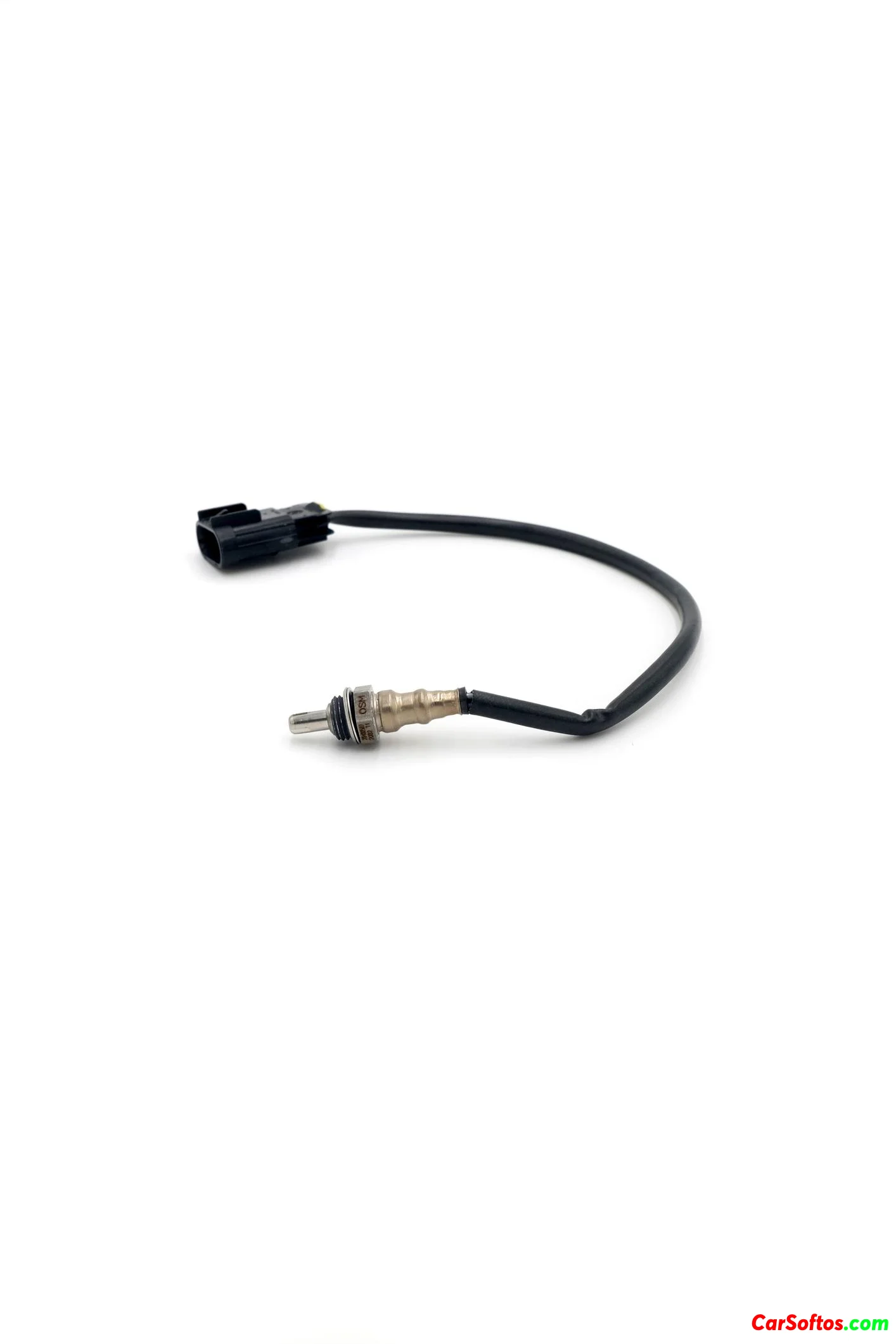
O2 sensors are mounted underneath the vehicle.
Heavy rain or washing may expose wiring connectors to moisture.
Temporary electrical instability may trigger emissions-related codes like:
-
P0420
-
P2195
4️⃣ Loose or Cracked Seals
Water exposure may reveal existing weaknesses such as:
-
cracked vacuum hoses
-
aging intake seals
-
damaged wiring insulation
Rain doesn’t create the problem — it exposes it.
Is It Safe to Drive?
✔ If the light is solid and the car runs normally, short-term driving is usually safe.
❌ If the light flashes or the engine shakes, stop driving.
Moisture-related misfires can damage the catalytic converter if ignored.
What You Should Do Immediately
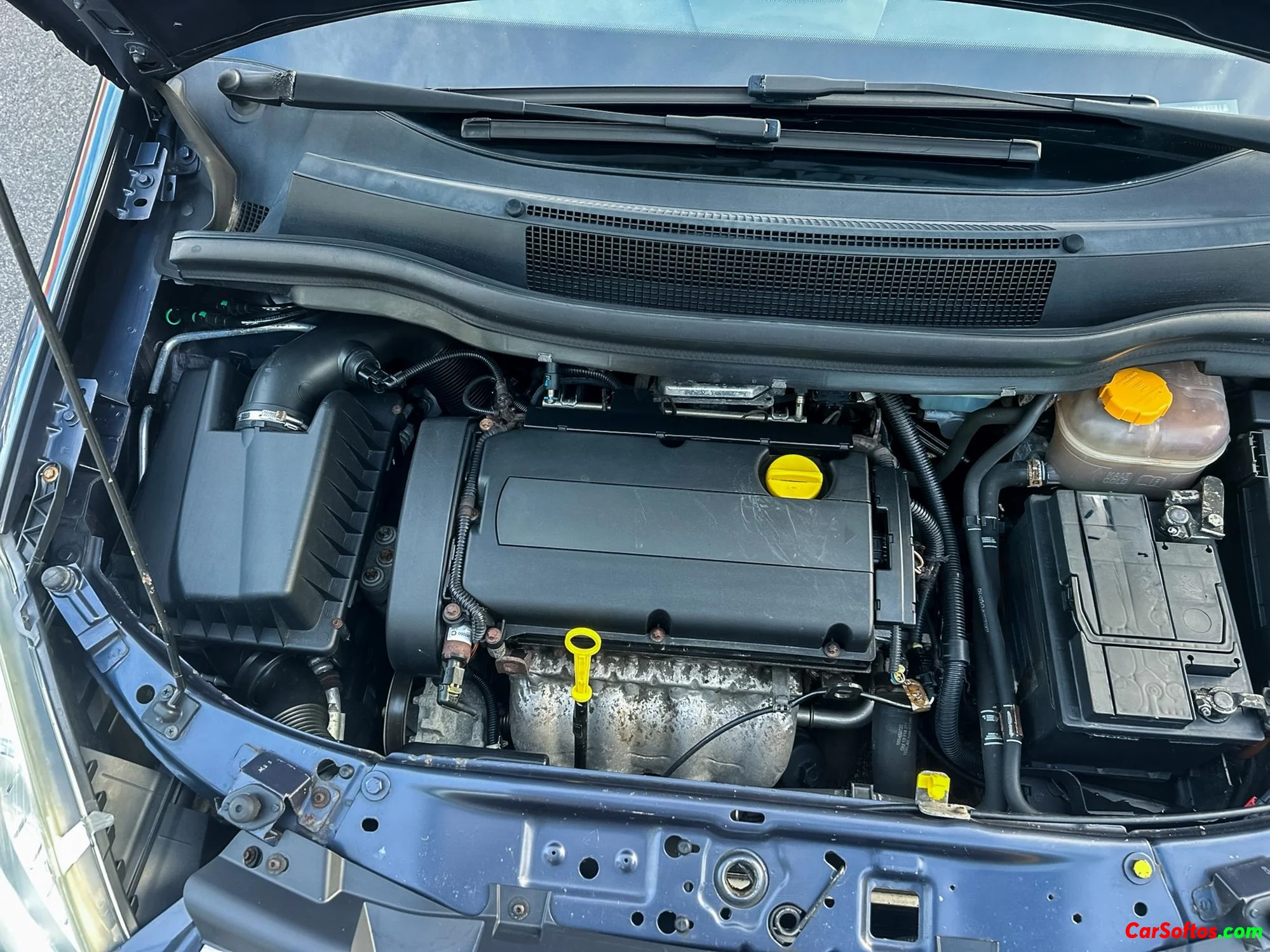
1️⃣ Scan the OBD2 code
2️⃣ Inspect ignition components
3️⃣ Check air intake for moisture
4️⃣ Allow engine bay to dry completely
If codes persist, professional inspection is recommended.
Can the Light Turn Off by Itself?
Yes — sometimes.
If moisture was the only cause, the warning may disappear after:
-
drying
-
several drive cycles
However, repeated rain-triggered warnings indicate an underlying issue.
How to Prevent It
Experts recommend:
✔ avoid spraying engine bay directly
✔ ensure ignition coils are properly sealed
✔ inspect intake hoses
✔ check wiring condition
✔ avoid deep water driving
Regular inspection reduces risk.
FAQ
Can rain cause a check engine light?
Yes, especially if moisture affects ignition or sensors.
Is it dangerous?
Usually not, unless misfires occur.
Will it fix itself?
Sometimes — if moisture dries and no damage occurred.
Should I avoid washing the engine bay?
High-pressure washing can increase risk if done improperly.
Final Thoughts
Rain or car washing doesn’t usually damage the engine — but it can expose electrical weaknesses.
Modern vehicles rely heavily on sensors and wiring, making them sensitive to moisture.
If your Check Engine Light turns on after rain:
➡️ stay calm
➡️ scan the code
➡️ inspect ignition and intake systems
Most cases are minor and fixable.

Tags:
Users of Guests are not allowed to comment this publication.