
Navigation
Top News
Statistics
Advertisement
Аrchives
Votes
| Rate the site |
Check Engine Light Flashing vs Solid – What’s the Difference & What Should You Do?
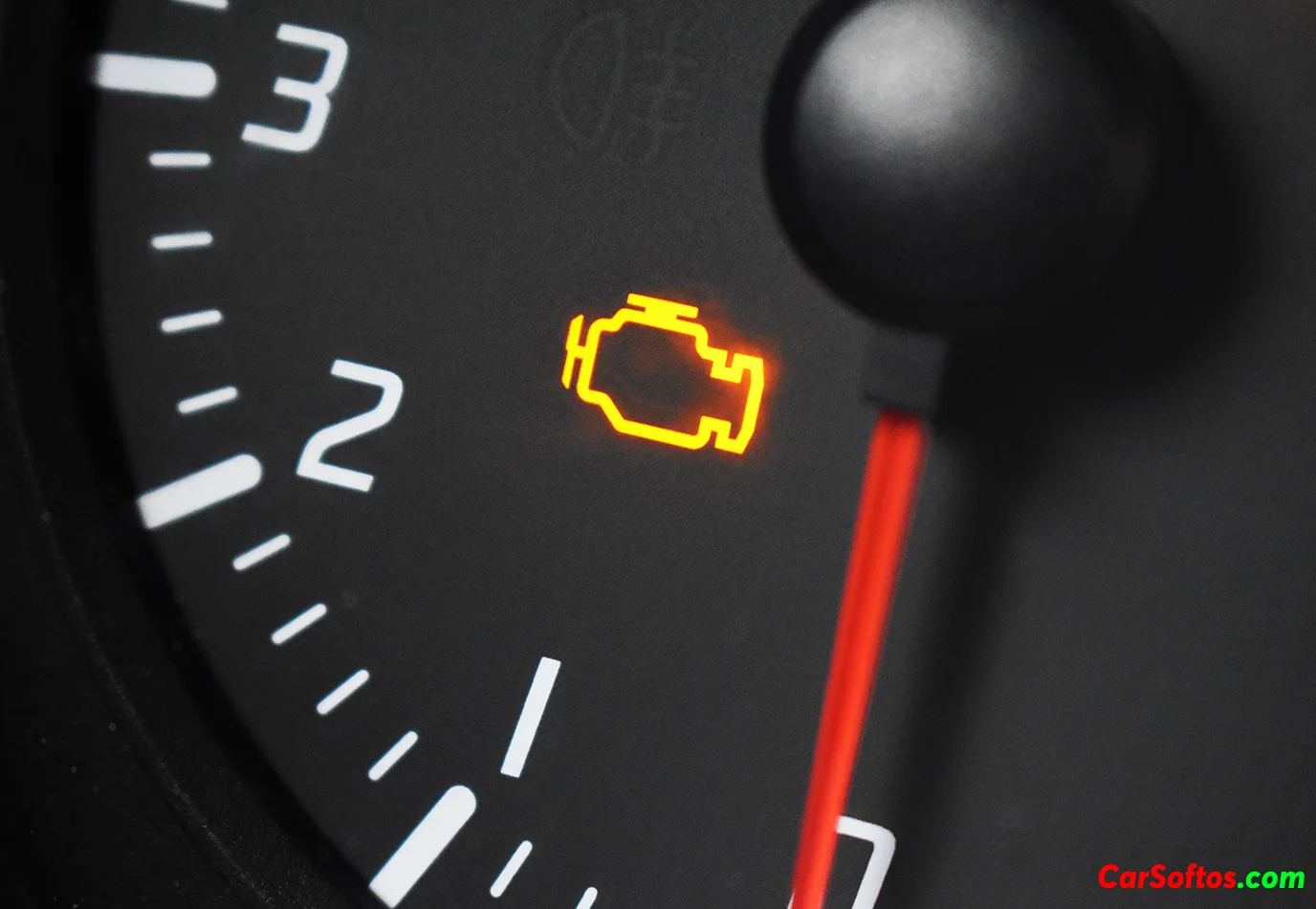
Seeing the Check Engine Light turn on can be stressful for any driver.
However, many people don’t realize there are two different types of warning signals:
-
A solid (steady) check engine light
-
A flashing (blinking) check engine light
Understanding the difference is extremely important — because one may be safe for short driving, while the other can quickly cause serious engine damage.
Solid Check Engine Light – What It Means

A steady or solid check engine light usually indicates a non-critical problem.
The engine computer has detected something wrong, but the vehicle can often still be driven carefully.
Common Reasons for a Solid Light
-
Oxygen sensor issues
-
EVAP system leaks (gas cap problems)
-
Thermostat issues (P0128)
-
Airflow sensor problems (P0101)
-
Fuel mixture codes (P0171 / P0172)
Is It Safe to Drive?
✔ Usually yes — for short distances.
But you should still diagnose the problem soon to avoid more expensive repairs later.
Flashing Check Engine Light – Serious Warning

A flashing check engine light is a serious warning.
This usually means:
⚠️ Engine misfire detected
When fuel does not burn correctly, raw fuel enters the catalytic converter — which can overheat and fail.
Common Causes of a Flashing Light
-
P0300 random misfire
-
P0301–P0304 cylinder misfires
-
ignition coil failure
-
bad spark plugs
-
fuel injector problems
🚨 Why You Should NOT Ignore a Flashing Light
Driving with a flashing light may cause:
-
Catalytic converter destruction
-
Severe engine damage
-
Loss of power while driving
-
Very expensive repairs
Catalytic converters alone can cost $1000–$4000 to replace.
Quick Comparison Table
| Warning Type | Meaning | Safe to Drive? | Risk Level |
|---|---|---|---|
| Solid Light | Minor or moderate issue | Usually yes (short term) | Medium |
| Flashing Light | Active engine misfire | NO | High |
What Drivers Should Do Immediately
If Light Is Solid
✔ Drive carefully
✔ Avoid heavy acceleration
✔ Scan OBD2 code as soon as possible
If Light Is Flashing
❌ Reduce speed immediately
❌ Avoid hard acceleration
❌ Stop driving if engine shakes
✔ Tow the vehicle if needed
Most Common Codes Behind Each Type

Solid Light Codes
-
P0420 — Catalyst efficiency
-
P0455 — EVAP leak
-
P0128 — Thermostat issue
-
P0101 — MAF sensor
Flashing Light Codes
-
P0300 — Random misfire
-
P0301 — Cylinder 1 misfire
-
P0302 — Cylinder 2 misfire
-
P0303 — Cylinder 3 misfire
-
P0304 — Cylinder 4 misfire
Why Modern Cars Trigger Warning Lights More Often
Modern engines are more sensitive because of:
-
stricter emissions laws
-
advanced sensors
-
fuel efficiency monitoring
-
turbocharged engines
Small issues that older cars ignored now trigger warnings early.
Professional Mechanic Advice
Mechanics never replace parts blindly.
They usually check:
-
live misfire counters
-
fuel trim data
-
ignition system performance
-
compression levels
Proper diagnosis saves money.
FAQ
Can a flashing check engine light stop by itself?
Sometimes — but the underlying issue remains dangerous.
How far can I drive with a flashing light?
Only the minimum distance needed to safely stop.
Is a solid check engine light urgent?
Usually not immediate, but it should be diagnosed soon.
Can bad fuel cause a flashing light?
Sometimes — especially if it causes misfires.
Final Thoughts
The difference between a solid and flashing check engine light is critical.
-
Solid light → warning, diagnose soon.
-
Flashing light → stop driving and fix immediately.
Understanding this difference can save drivers thousands in repair costs.

Tags:
Users of Guests are not allowed to comment this publication.