
Navigation
Top News
Statistics
Advertisement
Аrchives
Votes
| Rate the site |
P0300 Code – Random / Multiple Cylinder Misfire (Meaning, Causes, Symptoms & Fix)
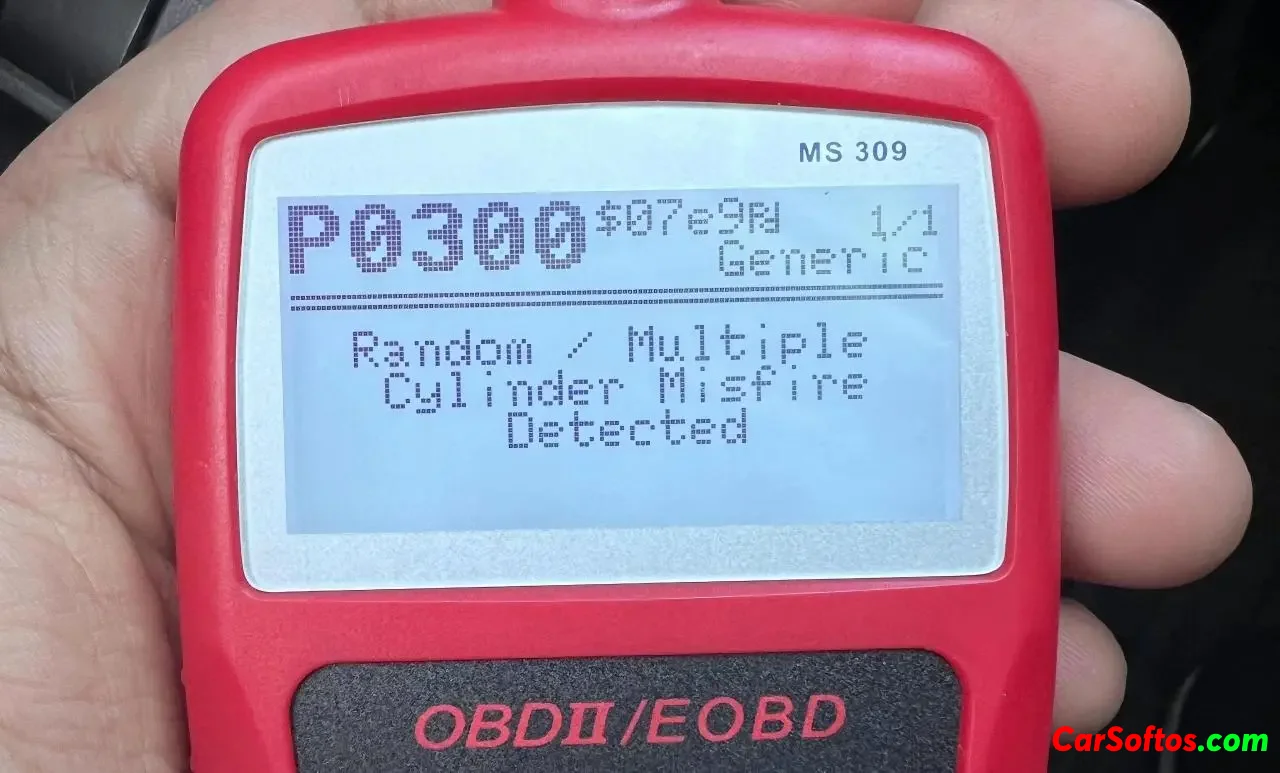
The P0300 diagnostic trouble code indicates that the engine control module (ECM) has detected random or multiple cylinder misfires.
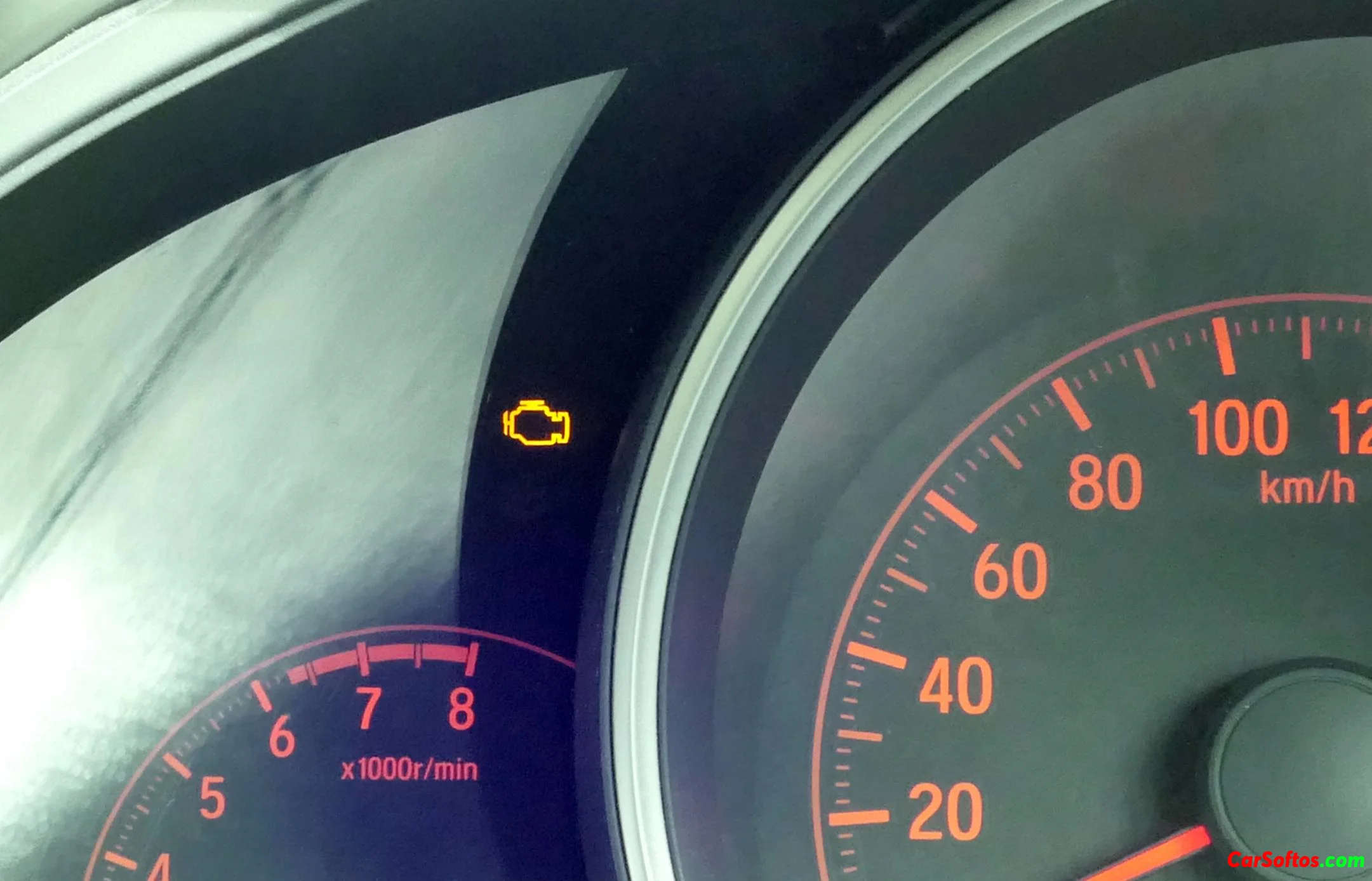
When this code appears, your Check Engine Light will usually turn on, and the vehicle may run rough, shake, or lose power.
P0300 is one of the most common OBD2 codes found on gasoline engines worldwide.
What Does P0300 Mean?
The code P0300 stands for:
Random / Multiple Cylinder Misfire Detected
Unlike P0301–P0308 (which identify a specific cylinder), P0300 means the misfire is happening randomly across multiple cylinders.
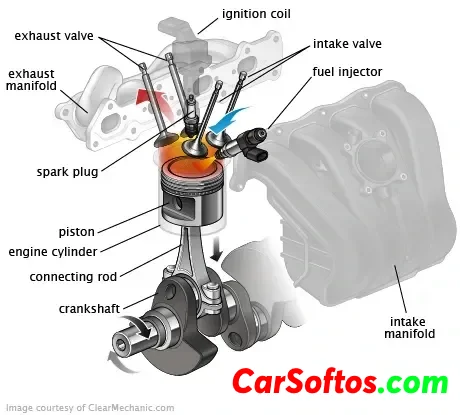
The ECM monitors crankshaft speed variations.
If combustion is incomplete or inconsistent, it triggers P0300.
Symptoms of P0300 Code
Common symptoms include:
-
Rough idle
-
Engine shaking or vibration
-
Loss of power
-
Poor fuel economy
-
Check Engine Light flashing (serious case)
-
Hard starting
⚠ If the check engine light is flashing, stop driving immediately — this can damage the catalytic converter.
Common Causes of P0300
1. Faulty Spark Plugs
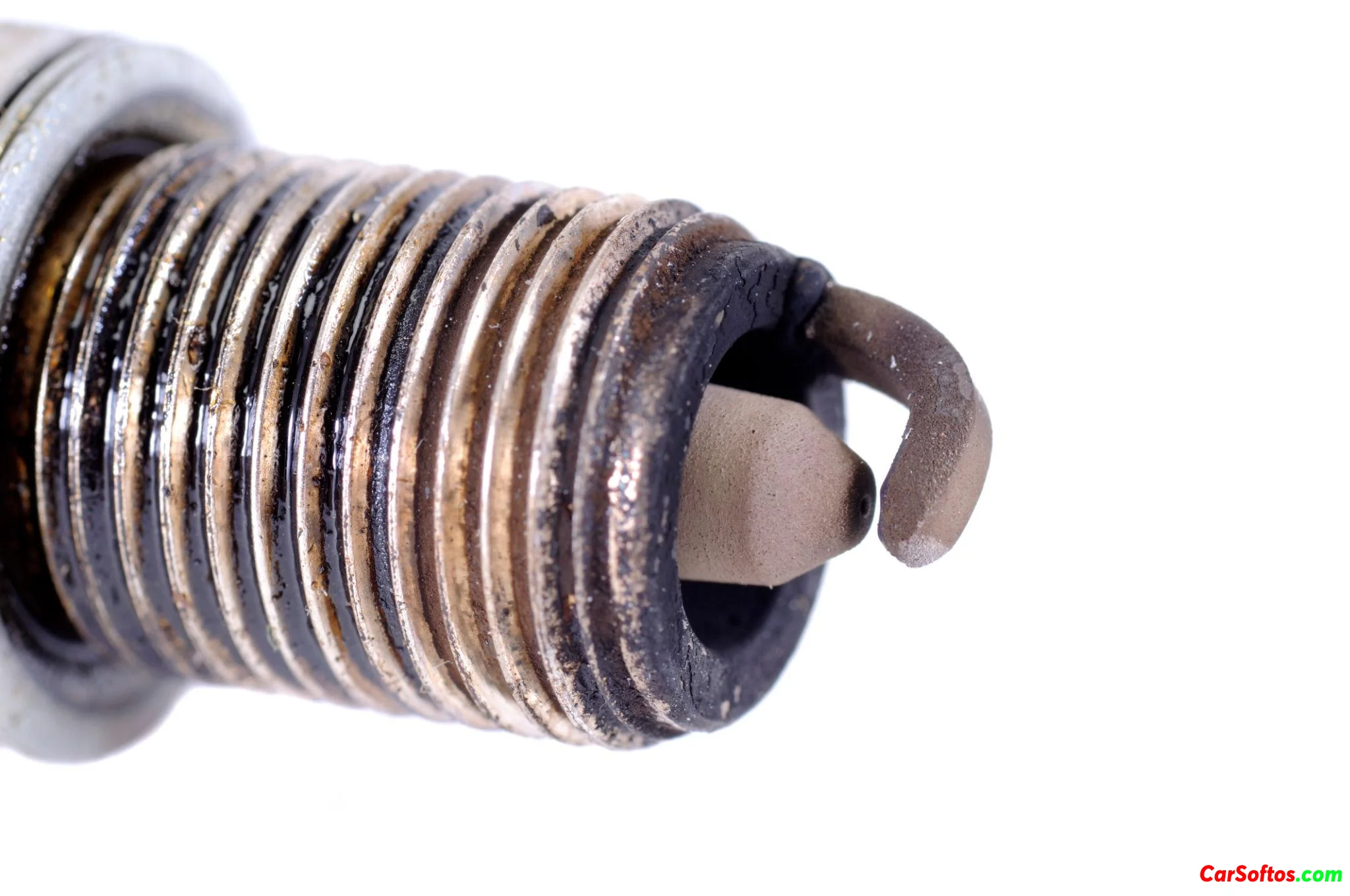
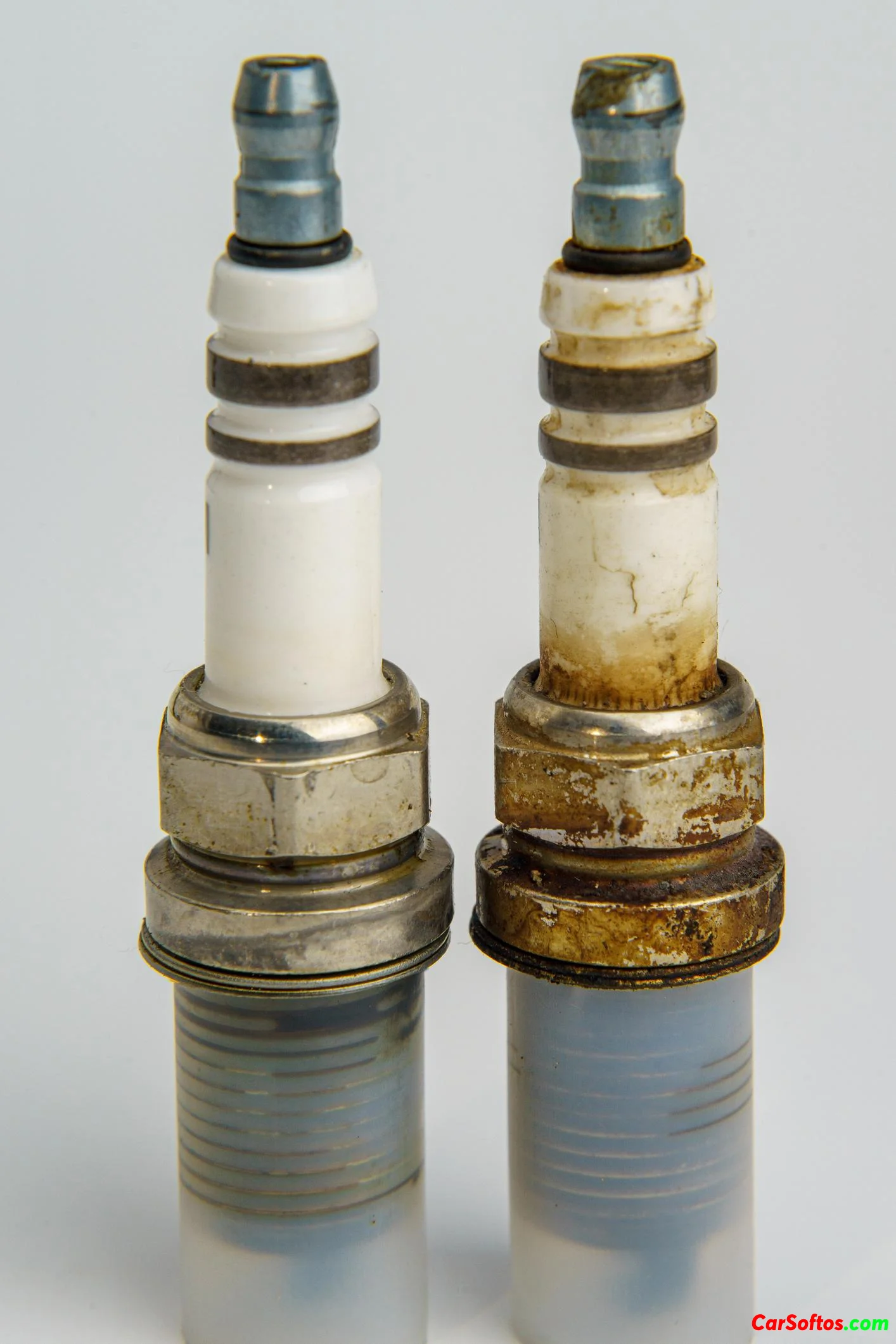
Worn or fouled spark plugs are the most common cause of misfires.
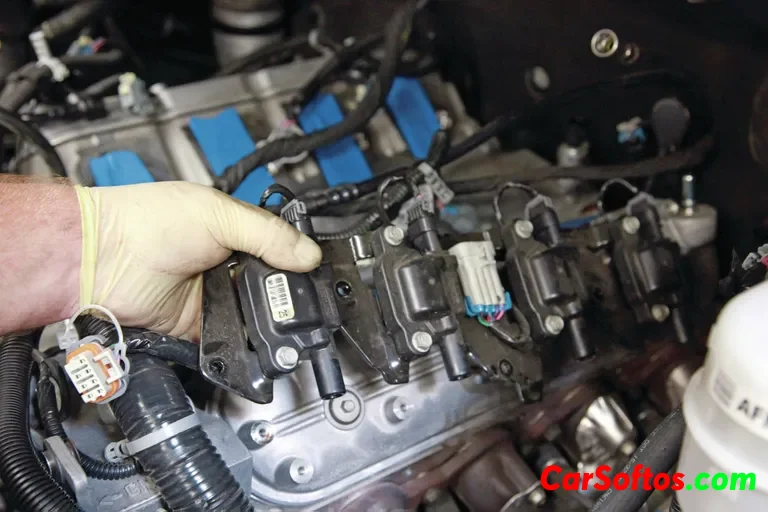
2. Bad Ignition Coils
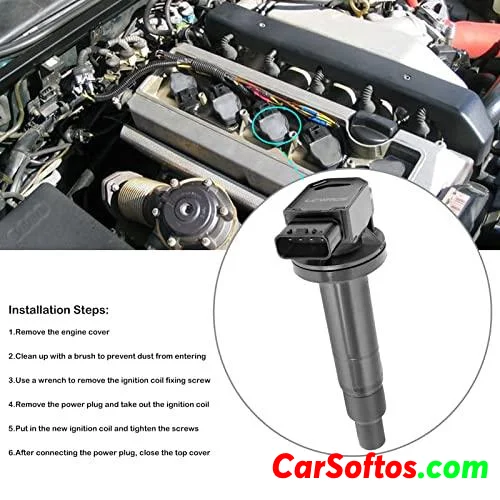
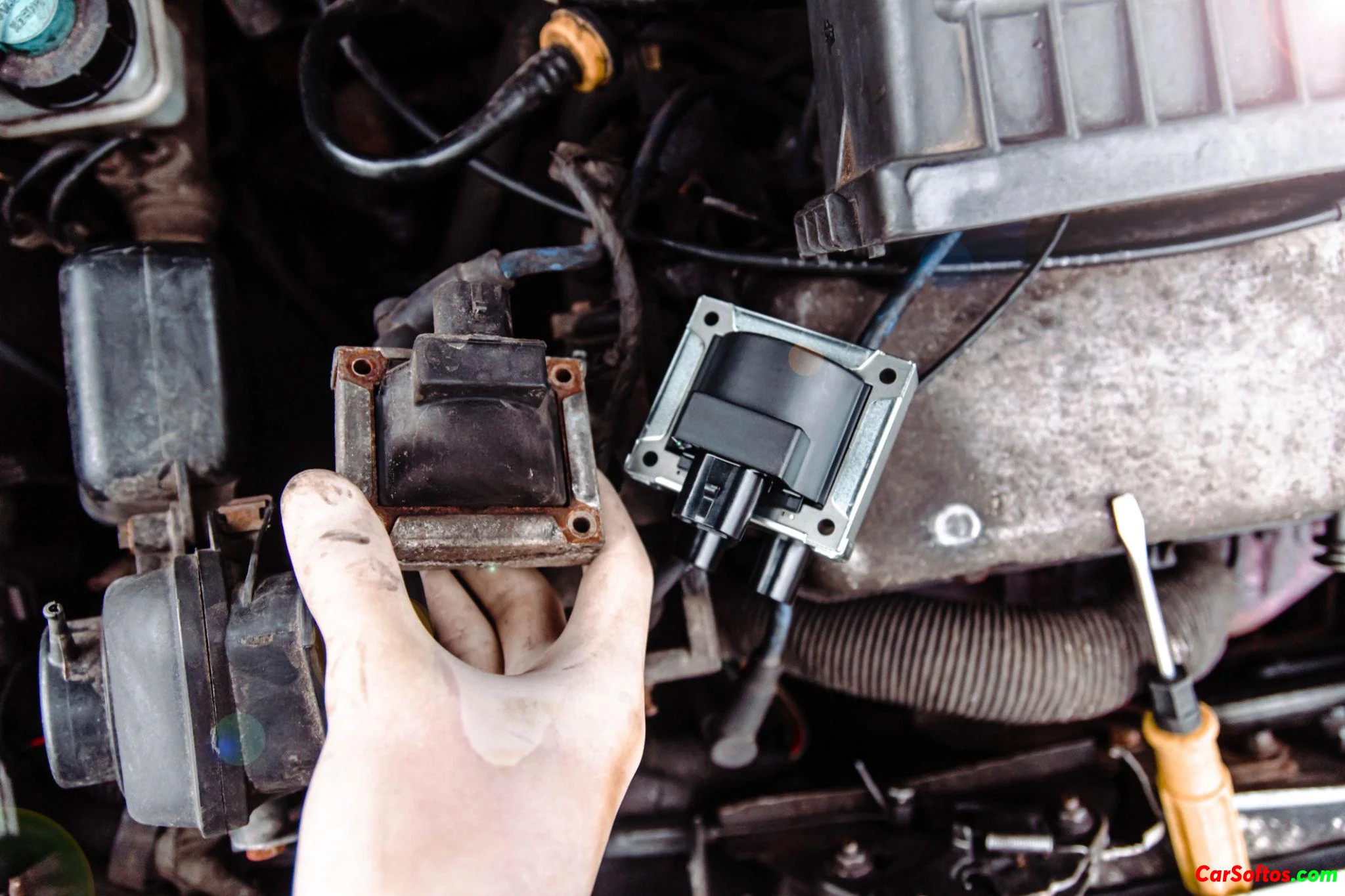
A failing coil pack may cause inconsistent spark delivery.
3. Vacuum Leaks
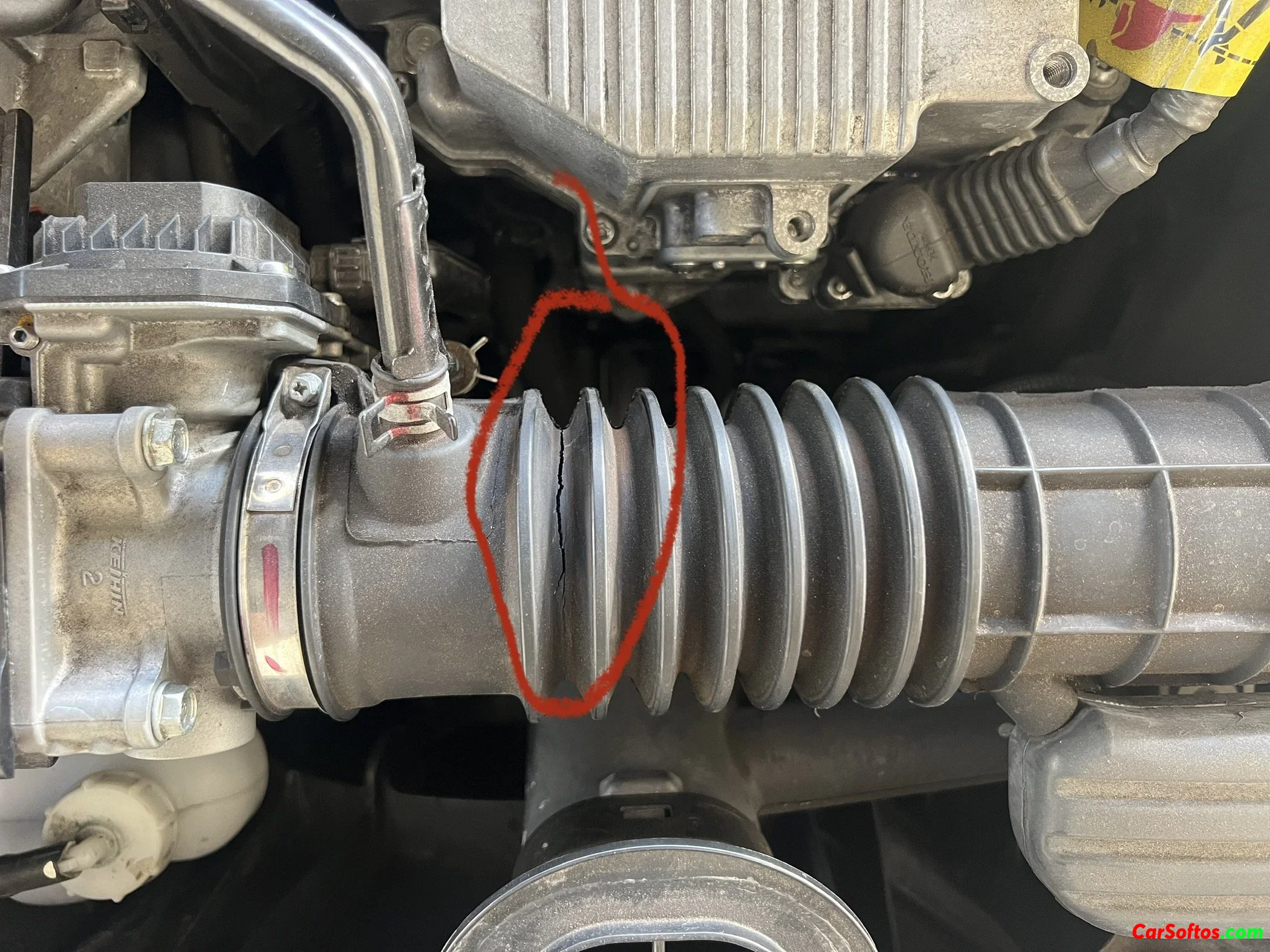
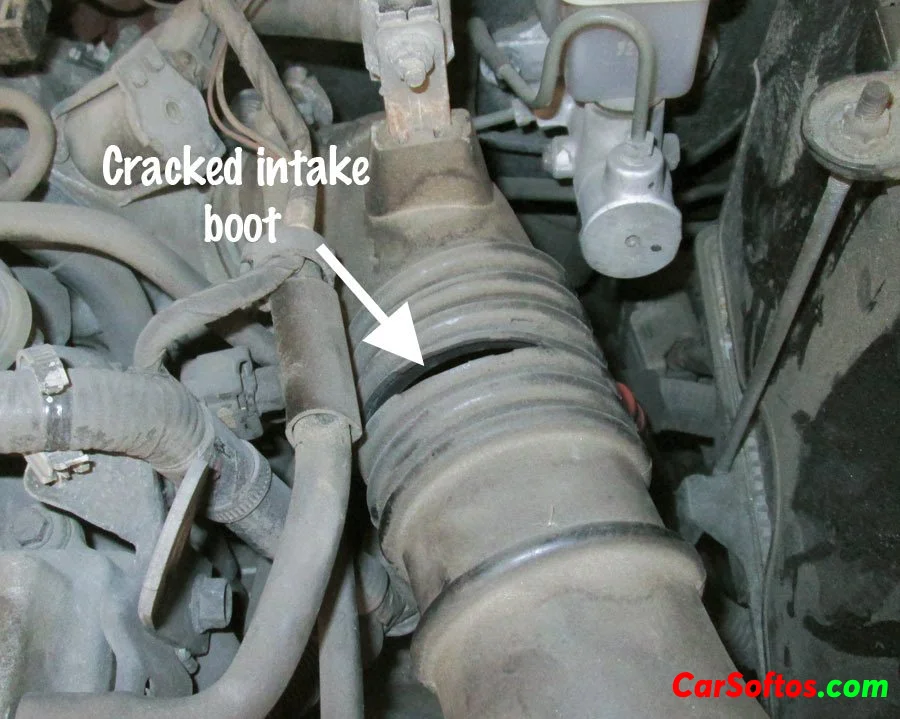
Unmetered air entering the engine disrupts air-fuel ratio.
4. Fuel System Problems
-
Dirty fuel injectors
-
Low fuel pressure
-
Failing fuel pump
5. Bad MAF Sensor
Incorrect airflow readings can cause lean conditions and misfires.
How to Diagnose P0300
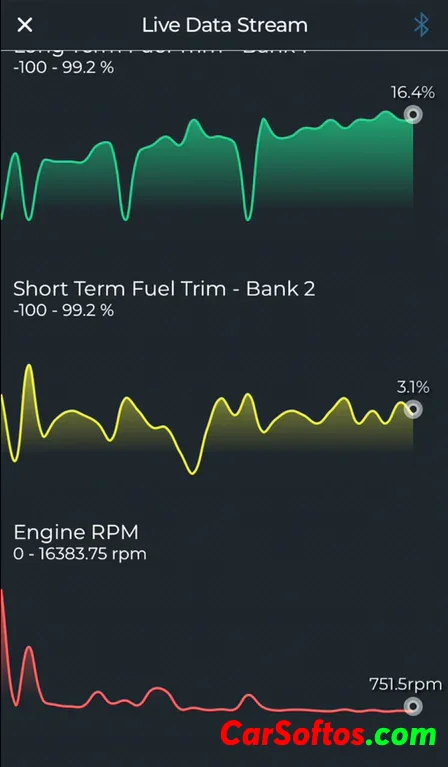
Step 1: Scan for Additional Codes
Look for:
-
P0301–P0308
-
P0171 (Lean condition)
-
P0101 (MAF issue)
Step 2: Inspect Spark Plugs
Check for:
-
Carbon buildup
-
Oil fouling
-
Incorrect gap
Step 3: Swap Ignition Coils
If misfire moves to another cylinder, coil is faulty.
Step 4: Check Fuel Pressure
Low pressure can cause random misfires.
Step 5: Perform Compression Test
Low compression may indicate internal engine damage.
Can You Drive With P0300?
Driving with a misfire is risky.
Long-term misfires can:
-
Damage catalytic converter
-
Overheat engine
-
Cause piston damage
-
Increase fuel consumption
Short distance driving is possible, but repair should not be delayed.
| Repair | Estimated Cost |
|---|---|
| Spark plugs replacement | $100 – $300 |
| Ignition coil replacement | $150 – $500 |
| Fuel injector cleaning | $100 – $400 |
| Fuel pump replacement | $400 – $1000 |
| Engine repair (compression issue) | $1000+ |
Costs vary depending on vehicle type.
Vehicles Commonly Affected
P0300 frequently appears on:
-
Chevrolet
-
Ford
-
Toyota
-
Nissan
-
BMW
-
Audi
-
Hyundai
-
Kia
Especially high-mileage gasoline engines.
FAQ
Is P0300 serious?
Yes. A flashing check engine light indicates potential catalytic converter damage.
Can bad gas cause P0300?
Yes. Low-quality fuel can trigger misfires.
Can a bad battery cause P0300?
Rarely, but voltage instability may affect ignition coils.
How long does it take to fix?
Minor ignition repairs: 1–2 hours.
Fuel or compression issues may take longer.
Final Thoughts
The P0300 code is one of the most common OBD2 trouble codes worldwide.
In most cases, the problem is related to spark plugs, ignition coils, or fuel delivery.
Early diagnosis prevents expensive catalytic converter damage.
If your engine runs rough and the check engine light is on, scan your vehicle immediately.

Tags:
Users of Guests are not allowed to comment this publication.