
Navigation
Top News
Statistics
Advertisement
Аrchives
Votes
| Rate the site |
Can You Drive With the Check Engine Light On? (Complete Driver Guide)
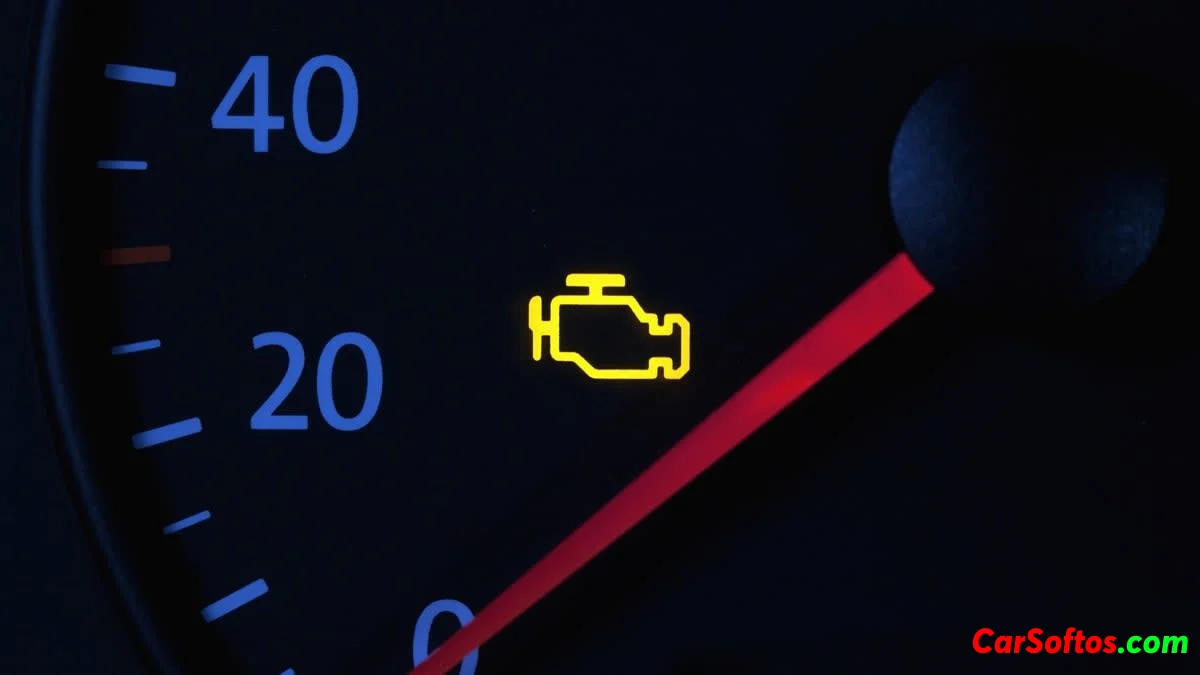
The Check Engine Light (CEL) is one of the most common warning lights drivers see.
It means the vehicle’s computer has detected a problem related to:
-
engine performance
-
emissions system
-
fuel mixture
-
ignition system
-
sensors or electronics
In many cases, the car may still drive normally — but the warning should never be ignored.
Flashing vs Solid Check Engine Light (VERY IMPORTANT)
🟡 Solid Check Engine Light
Usually indicates a non-critical issue.
Examples:
-
oxygen sensor problem
-
EVAP leak
-
thermostat issue
-
airflow sensor errors
The vehicle can often be driven short-term.
🔴 Flashing Check Engine Light
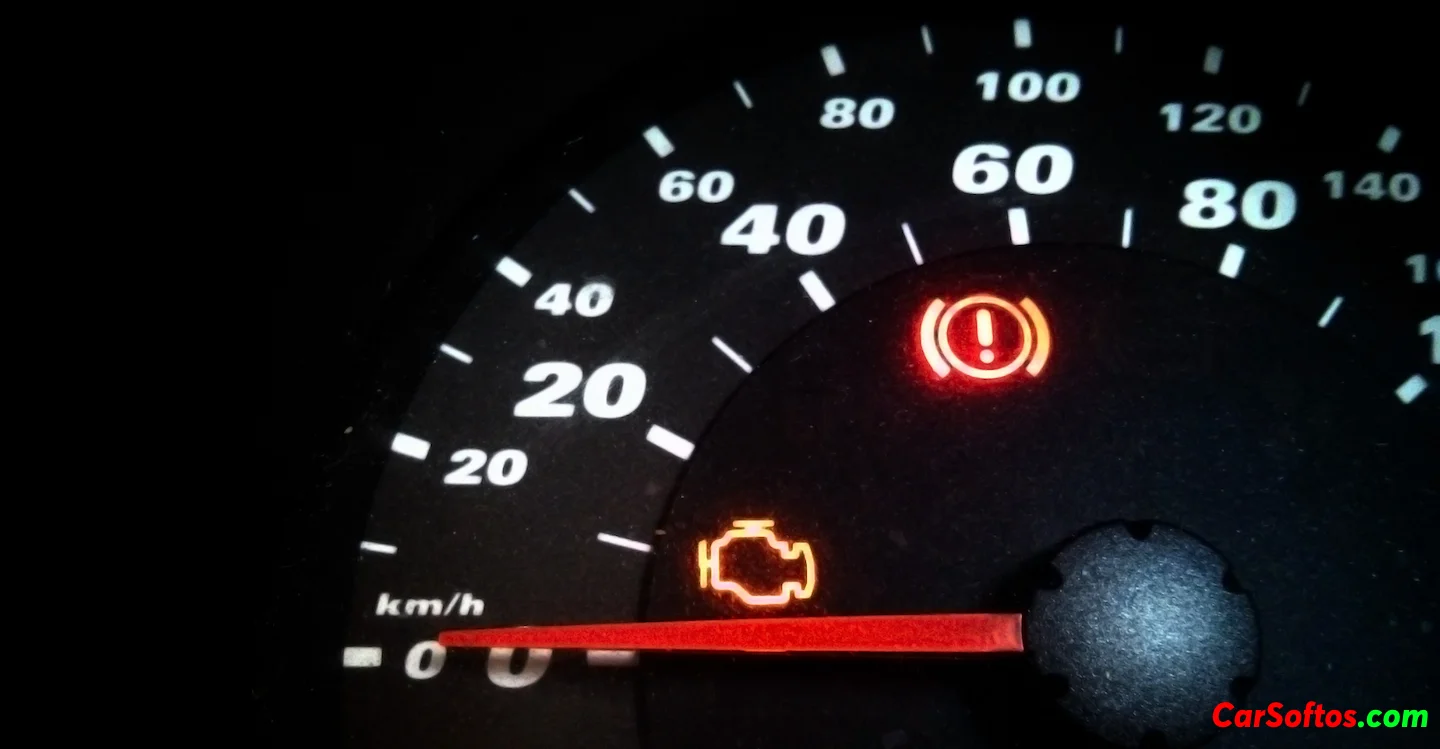
A flashing light means:
⚠ STOP driving as soon as safely possible.
This often indicates:
-
severe engine misfire
-
unburned fuel entering catalytic converter
-
risk of expensive damage
Continuing to drive may destroy the catalytic converter.
Most Common Reasons the Light Turns On
🔧 Engine Misfire (P0300 Series)
Very common.
Causes:
-
bad spark plugs
-
ignition coils
-
fuel injector issues
Symptoms:
-
shaking engine
-
power loss
🌬 Fuel Mixture Problems (P0171 / P0172)
Engine running:
-
too lean (not enough fuel)
-
too rich (too much fuel)
Often caused by:
-
dirty MAF sensor
-
vacuum leaks
-
fuel system faults
🚗 Emissions System Issues (EVAP Codes)
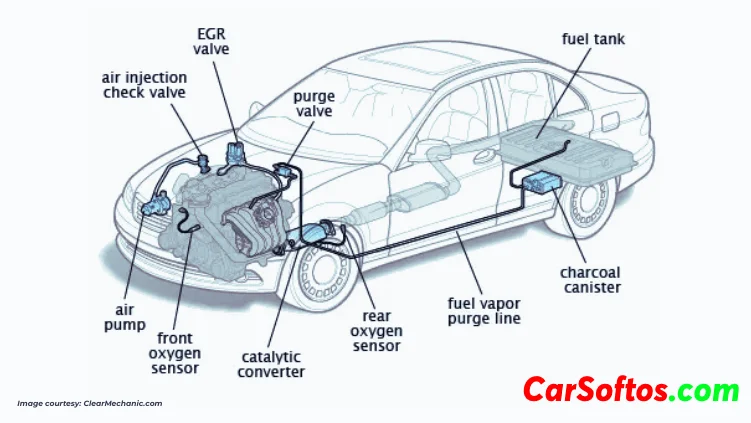
Very common and often harmless.
Examples:
-
loose gas cap
-
EVAP hose leaks
-
purge valve issues
Usually no driving symptoms.
❄ Cooling System Problems (P0128)
Engine does not warm up properly.
Often caused by:
-
faulty thermostat
-
coolant sensor issue
May reduce fuel economy.
⛽ Catalytic Converter Problems (P0420)
One of the most searched codes.
Possible causes:
-
aging catalytic converter
-
long-term misfires
-
oxygen sensor issues
Repair cost can be expensive.
Is It Safe to Drive With the Check Engine Light On?
✔ Usually Safe (Short Term)
If:
-
light is solid
-
no strange noises
-
vehicle drives normally
Drive carefully and diagnose soon.
❌ NOT SAFE If You Notice:
-
flashing light
-
engine shaking
-
power loss
-
loud knocking
-
overheating
In these cases, stop driving immediately.
What Happens If You Ignore It?
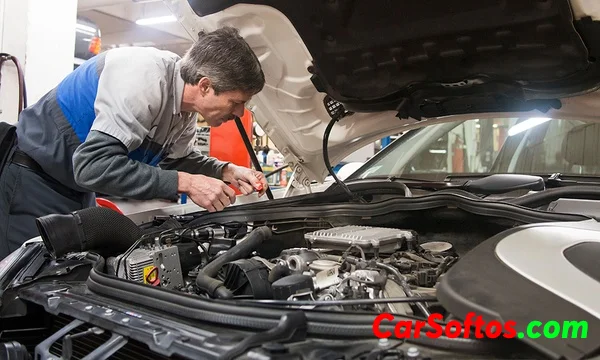
Ignoring the warning may lead to:
-
reduced fuel efficiency
-
catalytic converter damage
-
engine overheating
-
expensive repairs
Small problems often become big ones.
What Drivers Should Do First
Step 1 — Scan the Code
Use an OBD2 scanner (many are inexpensive).
Step 2 — Check If Light Is Flashing
Flashing = urgent.
Step 3 — Look for Symptoms
Engine shaking or power loss helps identify severity.
Step 4 — Avoid Guessing
Replacing random parts often wastes money.
Common Check Engine Light Codes
Most frequent codes drivers see:
-
P0300 – Random misfire
-
P0171 – System too lean
-
P0172 – System too rich
-
P0101 – MAF sensor
-
P0420 – Catalyst efficiency
-
P0128 – Thermostat performance
-
P0455 – EVAP leak
These codes make up a large percentage of warnings.
How Mechanics Diagnose Problems Correctly
Professional diagnosis includes:
-
live data analysis
-
fuel trim monitoring
-
smoke testing for leaks
-
sensor signal comparison
This prevents unnecessary repairs.
FAQ
Can I drive for weeks with the check engine light on?
Not recommended. Some issues worsen over time.
Will the light turn off by itself?
Sometimes — if the problem disappears — but diagnosis is still recommended.
Does check engine light always mean expensive repair?
No. Often it’s a minor sensor or gas cap issue.
Is it dangerous if the car feels normal?
Not always, but ignoring it long-term is risky.
Final Thoughts
The Check Engine Light is not always a sign of disaster — but it is always a warning.
Modern vehicles detect problems early, giving drivers time to fix issues before serious damage occurs.
The best strategy is simple:
➡️ scan early
➡️ diagnose correctly
➡️ repair before problems become expensive.

Tags:
Users of Guests are not allowed to comment this publication.