
Navigation
Top News
Statistics
Advertisement
Аrchives
Votes
| Rate the site |
Top 10 Most Common OBD2 Error Codes (And What They Really Mean)
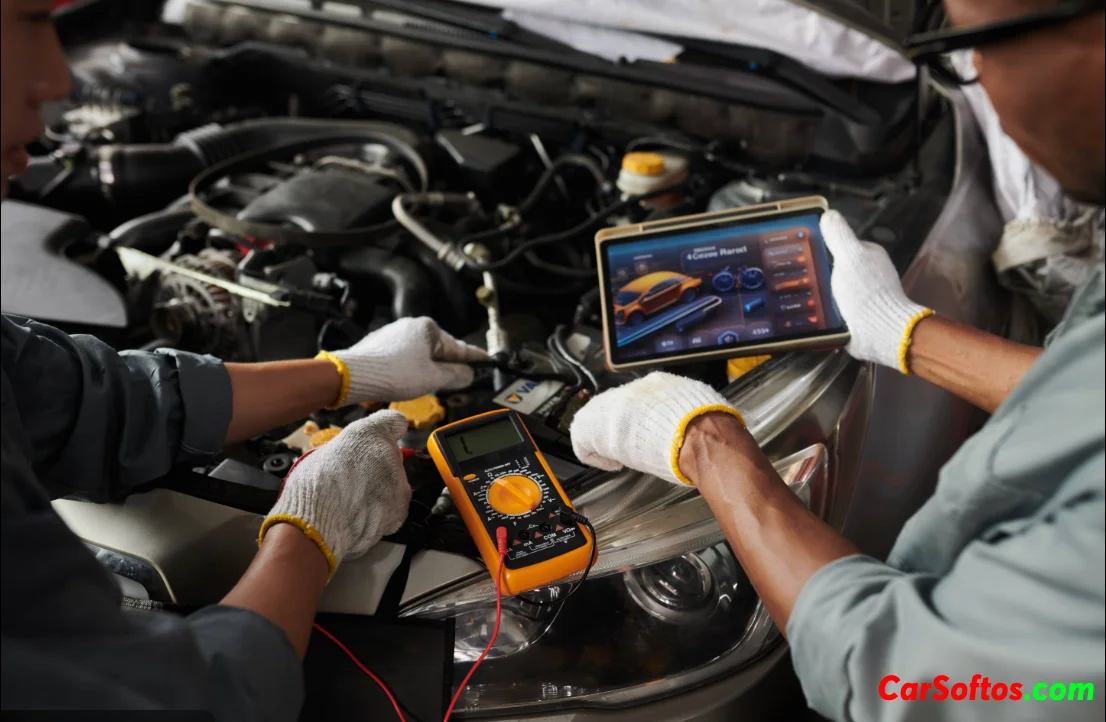
The Check Engine Light is one of the most common warnings modern drivers see.
While thousands of diagnostic trouble codes exist, mechanics report that a small group of OBD2 codes appears much more frequently than others.
This guide explains the 10 most common OBD2 codes, what they mean, and what usually causes them — helping car owners understand problems before expensive repairs happen.
1️⃣ P0300 – Random / Multiple Cylinder Misfire
One of the most frequent engine codes worldwide.
What it means:
The engine is misfiring across multiple cylinders.
Common causes:
-
worn spark plugs
-
bad ignition coils
-
vacuum leaks
-
fuel delivery problems
⚠ Ignoring this code can damage the catalytic converter.
2️⃣ P0171 – System Too Lean (Bank 1)
What it means:
Too much air and not enough fuel in the mixture.
Typical causes:
-
vacuum leaks
-
dirty MAF sensor
-
low fuel pressure
This code often appears together with misfire codes.
3️⃣ P0420 – Catalyst System Efficiency Below Threshold
One of the most searched OBD2 codes online.
What it means:
The catalytic converter is no longer cleaning emissions efficiently.
Common causes:
-
failing catalytic converter
-
faulty O2 sensor
-
previous misfire problems
💰 High repair cost = very popular search.
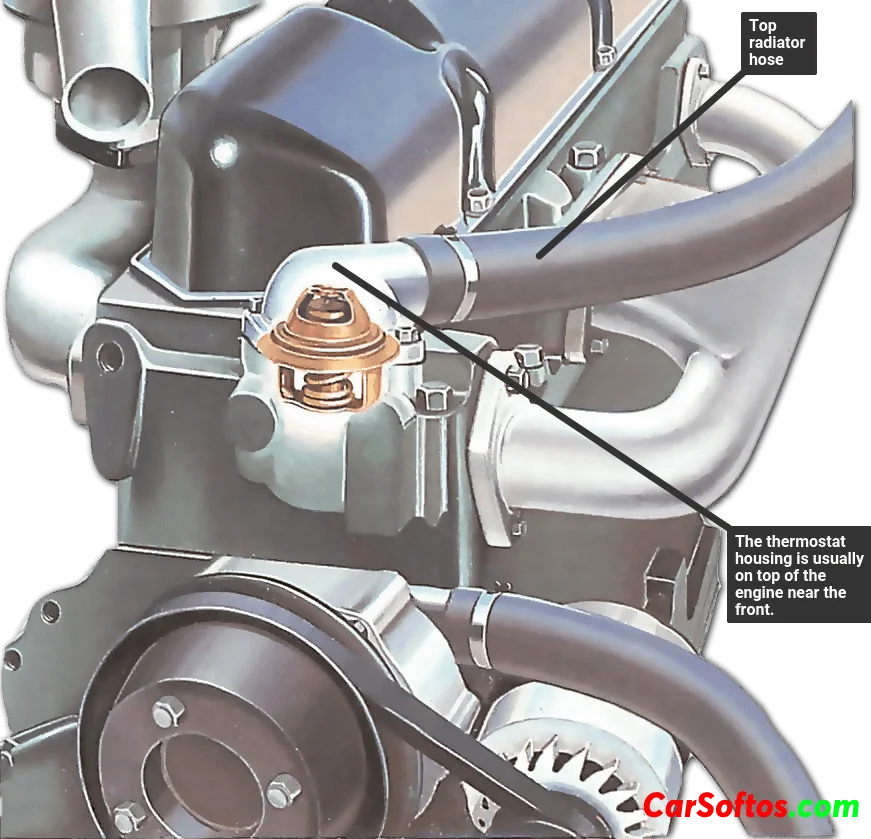
4️⃣ P0128 – Coolant Thermostat Below Regulating Temperature
What it means:
Engine is running too cold.
Most common cause:
Thermostat stuck open.
Symptoms:
-
slow warm-up
-
poor cabin heat
-
reduced fuel economy
5️⃣ P0455 – EVAP System Large Leak
A very common emissions-related code.
What it means:
Fuel vapor system has a large leak.
Most common cause:
Loose or damaged gas cap.
Other causes:
-
cracked EVAP hose
-
purge valve failure
Usually not dangerous but causes emissions test failure.
6️⃣ P0101 – Mass Air Flow Sensor Performance
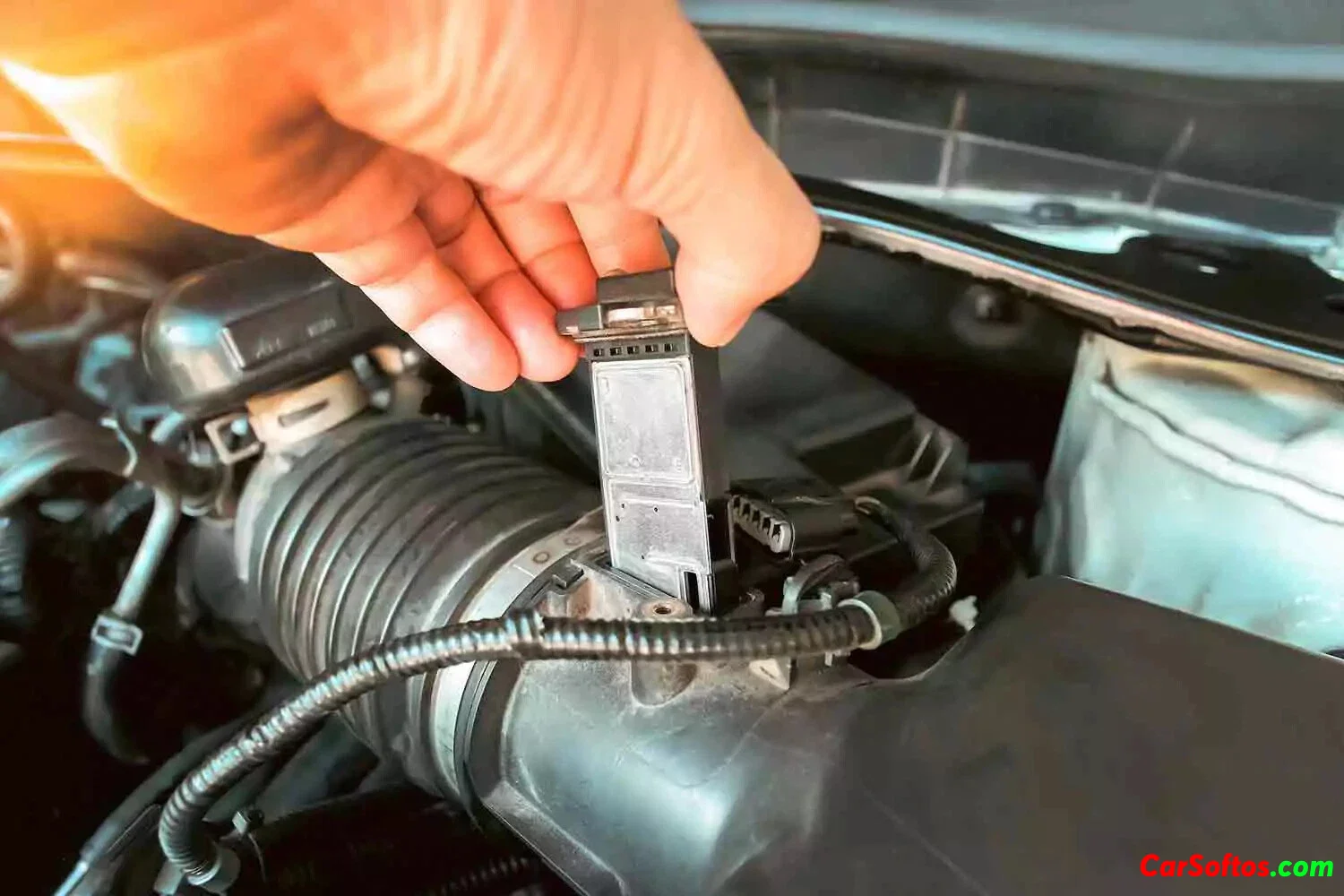
What it means:
Airflow readings are outside expected range.
Common causes:
-
dirty MAF sensor
-
intake leaks
-
damaged air intake hose
Often causes poor acceleration.
7️⃣ P0172 – System Too Rich (Bank 1)
Opposite of P0171.
What it means:
Too much fuel compared to air.
Common causes:
-
leaking fuel injectors
-
faulty MAF sensor
-
bad O2 sensor
Symptoms may include fuel smell and black smoke.
8️⃣ P0299 – Turbocharger Underboost
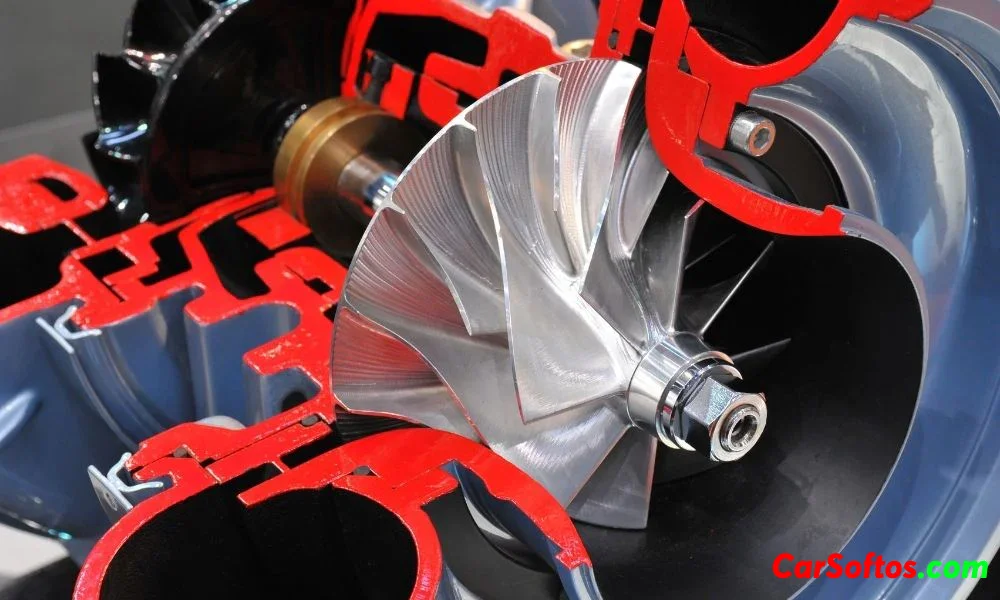
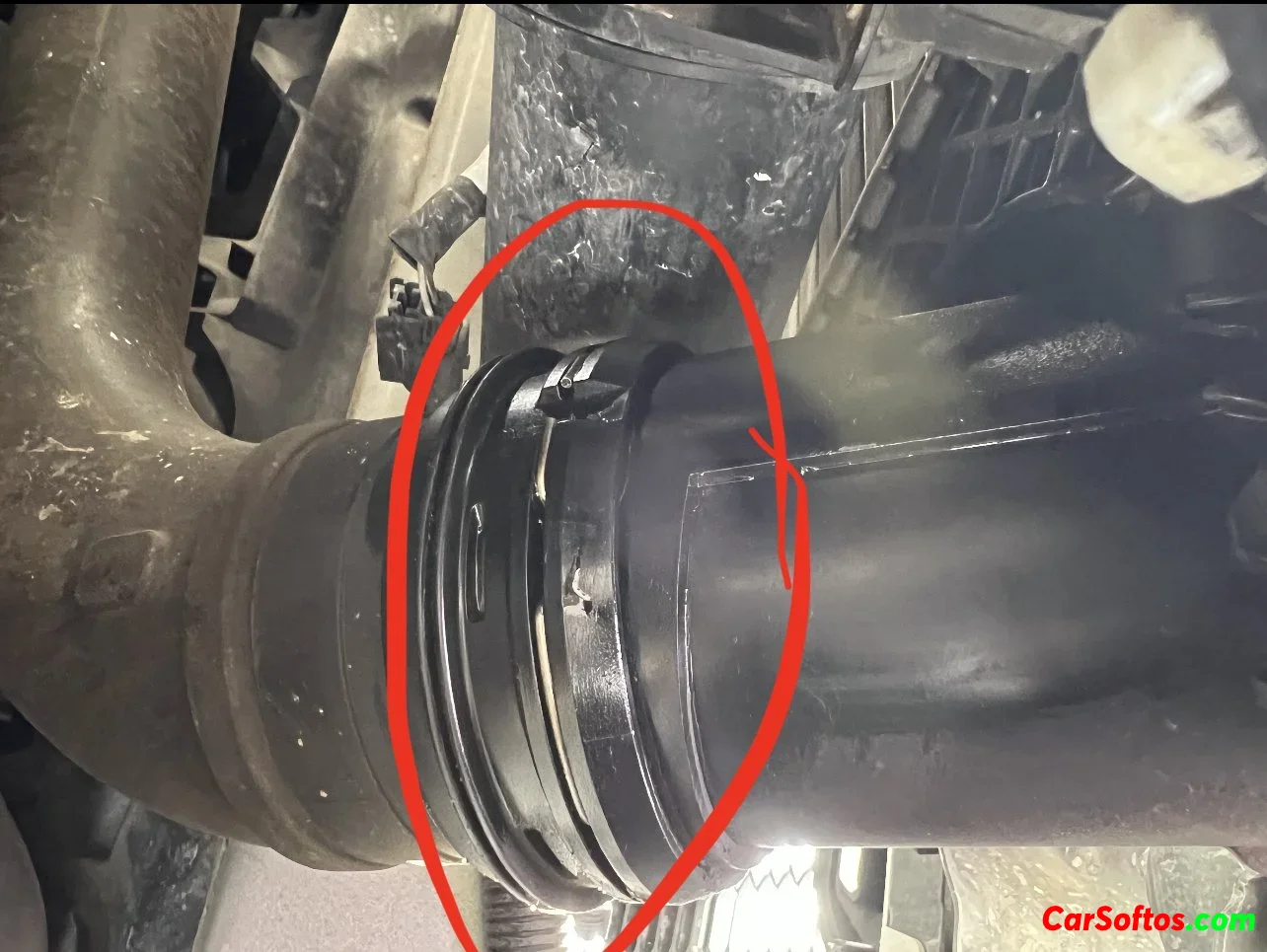
Very common on turbocharged cars.
What it means:
Turbo is not producing expected boost pressure.
Possible causes:
-
boost leaks
-
wastegate problems
-
worn turbo
9️⃣ P0016 – Camshaft / Crankshaft Correlation
High-severity code.
What it means:
Engine timing is out of sync.
Common causes:
-
timing chain stretch
-
VVT actuator issues
-
sensor failure
⚠ Can indicate serious engine problems.
🔟 P0442 – EVAP System Small Leak
Similar to P0455 but smaller leak size.
Common causes:
-
gas cap seal leak
-
cracked vapor lines
-
EVAP valve issues
Often no noticeable symptoms besides the warning light.
Why These Codes Keep Returning
Modern cars use strict emissions monitoring.
Small issues that older cars ignored now trigger warning lights early.
This helps:
-
prevent costly repairs
-
reduce emissions
-
improve fuel efficiency
How Mechanics Diagnose Codes Correctly
Professional diagnostics usually includes:
-
live data monitoring
-
fuel trim analysis
-
smoke testing for leaks
-
sensor signal comparison
Replacing parts without diagnosis is a common mistake.
Quick Advice for Drivers
If your Check Engine Light turns on:
1️⃣ Scan the code first
2️⃣ Check if the light is flashing (serious)
3️⃣ Look for related symptoms
4️⃣ Avoid guessing — diagnose properly
FAQ
What is the most common OBD2 code?
P0300 (Random Misfire) is one of the most frequent worldwide.
Are OBD2 codes serious?
Some are minor, others can indicate major engine problems.
Can I drive with a Check Engine Light?
Depends on the code — flashing light usually means stop driving.
Final Thoughts
Understanding the most common OBD2 codes helps drivers avoid unnecessary repairs and expensive damage.
Many issues are simple to fix when diagnosed early.
Knowing what a code means is the first step toward solving the problem correctly.

Tags:
Users of Guests are not allowed to comment this publication.