
Navigation
Top News
Statistics
Advertisement
Аrchives
Votes
| Rate the site |
Why OBD2 Error Codes Are Triggering More Often in Modern Cars (2026 Update)
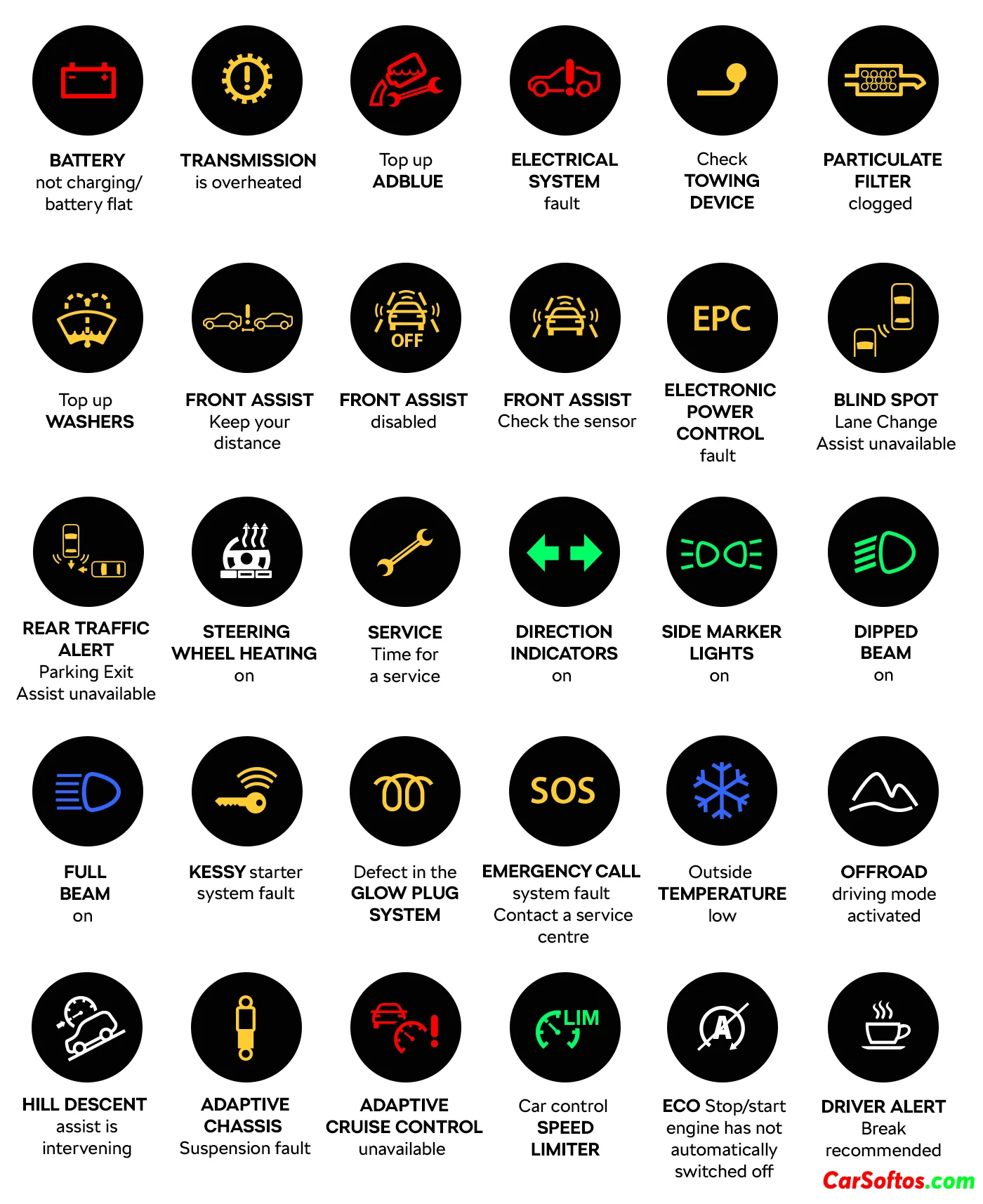
Many drivers have noticed an increase in Check Engine Light warnings over the last few years.
Modern vehicles are becoming more complex, and new engine technologies mean that OBD2 diagnostic codes are appearing more frequently than ever before.
According to mechanics and diagnostic specialists, this is not necessarily because cars are less reliable — but because they are now monitored more precisely.
Why Modern Vehicles Trigger OBD2 Codes More Easily
Several changes in modern engine design explain this trend:
1️⃣ Stricter Emissions Standards
Modern engines run closer to emission limits.
Even small problems can trigger codes like:
-
P0420 (Catalyst efficiency)
-
P0171 / P0172 (fuel mixture)
-
P0455 (EVAP leak)
Manufacturers intentionally set tighter limits to reduce emissions.
2️⃣ More Sensors Than Ever Before
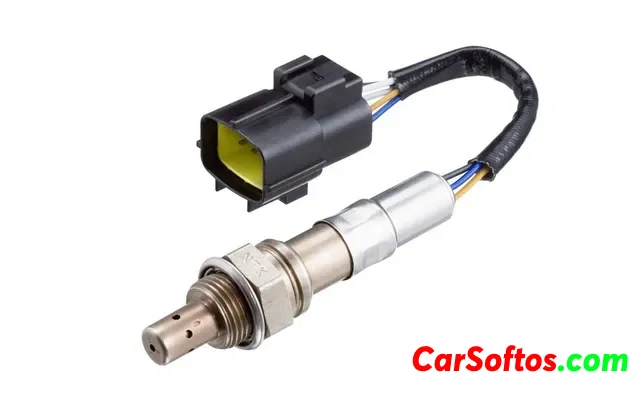
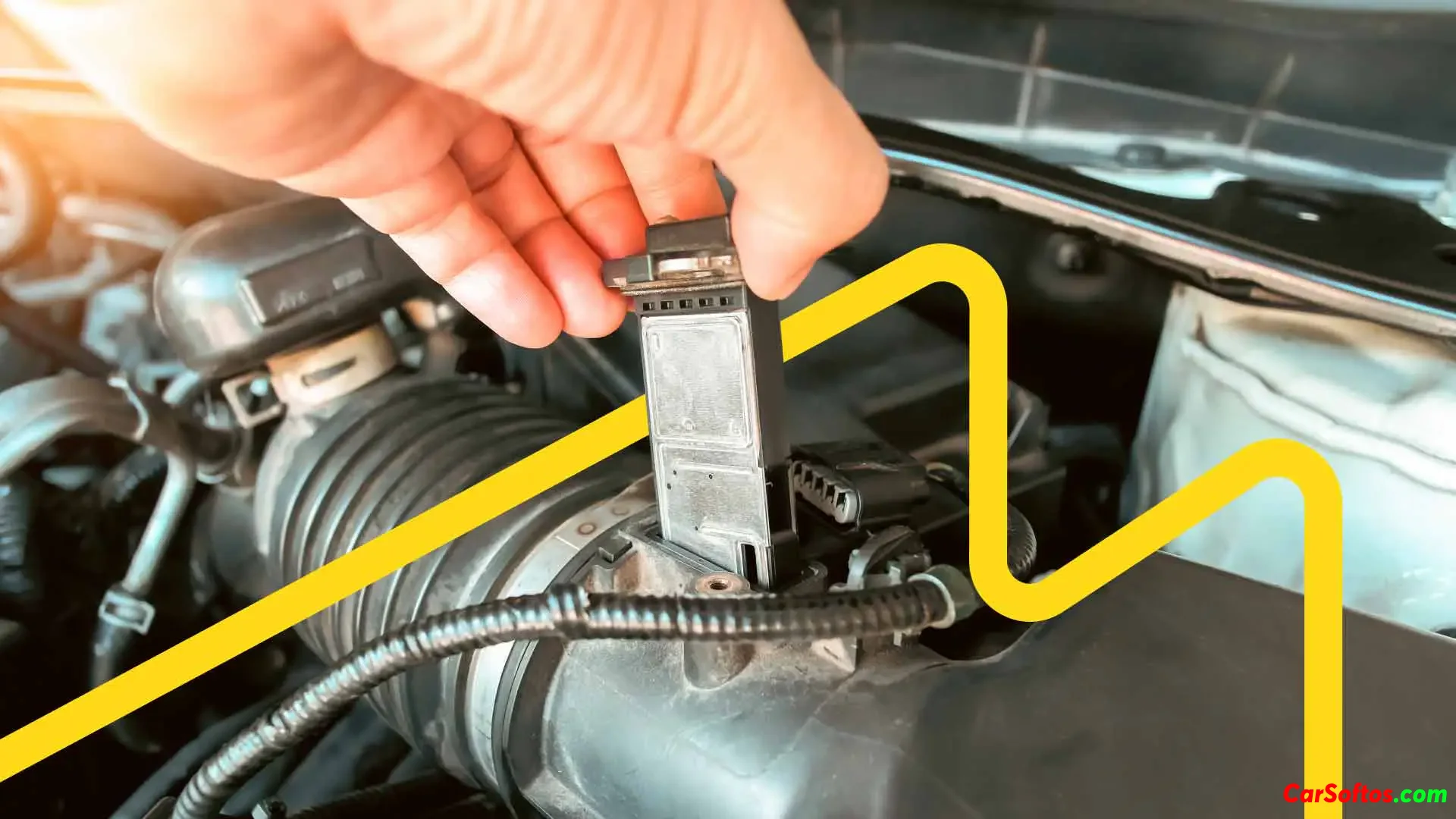
Modern engines use:
-
Multiple oxygen sensors
-
MAF sensors
-
Fuel pressure sensors
-
Camshaft position sensors
-
EVAP pressure sensors
More sensors = more chances to detect small issues early.
3️⃣ Turbocharged Engines Increase Sensitivity
Turbo engines operate under higher pressure.
This makes them more likely to trigger codes such as:
-
P0299 (Turbo underboost)
-
P0016 / P0017 (timing correlation)
-
P0101 (airflow issues)
Even small vacuum leaks can now trigger fault codes.
Most Common OBD2 Codes in 2025–2026
Mechanics report that these codes appear most frequently:
-
P0300 – Random Misfire
-
P0171 – System Too Lean
-
P0128 – Thermostat Performance
-
P0420 – Catalytic Converter Efficiency
-
P0455 – EVAP Large Leak
-
P0101 – MAF Sensor Performance
Most of these are not catastrophic failures — but early warnings.
Why This Is Actually Good News for Drivers
Modern diagnostic systems help detect problems early:
✔ better fuel economy
✔ lower repair costs if fixed early
✔ improved engine lifespan
✔ reduced emissions
In older vehicles, many of these issues went unnoticed until serious damage occurred.
How OBD2 Diagnostics Are Changing Car Repairs
Today mechanics rely heavily on:
-
live fuel trim data
-
sensor correlation values
-
real-time airflow readings
-
advanced scan tools
This means repairs are becoming more data-driven instead of guessing.
Common Mistake Drivers Make
Many owners immediately replace parts after seeing a code.
Example:
-
replacing O2 sensor for P0171
-
replacing turbo for P0299
Professional mechanics first diagnose:
-
vacuum leaks
-
wiring problems
-
sensor live data
This avoids unnecessary costs.
Will Cars Show Even More Codes in the Future?
Yes — experts expect:
-
more hybrid systems
-
stricter emissions control
-
advanced engine monitoring
Future vehicles may trigger warning codes even earlier than today.
What Drivers Should Do When Check Engine Light Appears
Recommended steps:
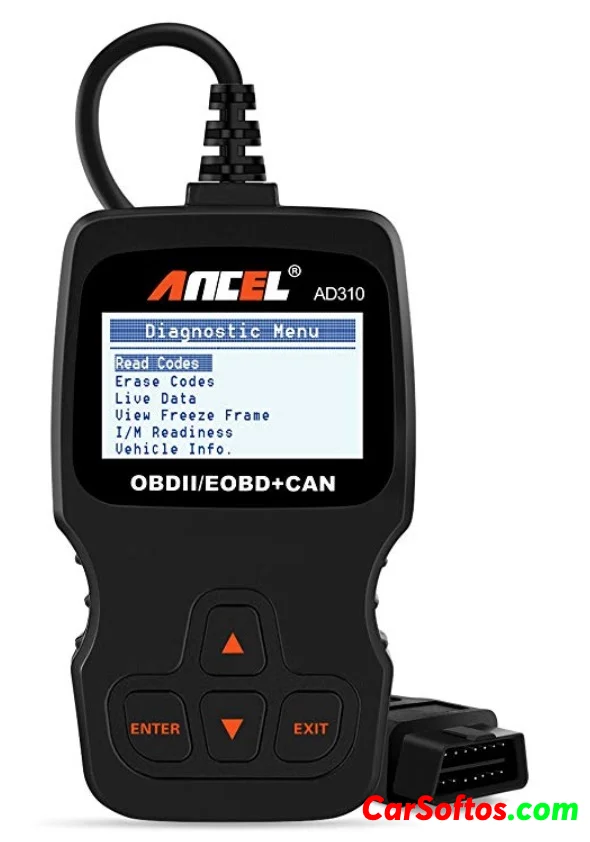
1️⃣ Scan the vehicle with an OBD2 scanner
2️⃣ Check if the light is flashing (serious)
3️⃣ Look for related symptoms
4️⃣ Avoid replacing parts without diagnosis
Early action prevents expensive repairs.
FAQ
Are modern cars less reliable because of more error codes?
Not necessarily. They are simply monitored more accurately.
Can I ignore OBD2 codes if the car drives normally?
Some can wait, but long-term ignoring may cause damage.
Why does the check engine light turn on so easily today?
Modern emissions systems use stricter monitoring thresholds.
Final Thoughts
OBD2 error codes are becoming more common because modern engines are smarter — not weaker.
Advanced sensors help detect problems earlier, saving drivers money in the long run.
Understanding fault codes and diagnosing them correctly is becoming an essential part of modern car ownership.

Tags:
Users of Guests are not allowed to comment this publication.