
Navigation
Top News
Statistics
Advertisement
Аrchives
Votes
| Rate the site |
P0017 Code – Crankshaft Position / Camshaft Position Correlation (Bank 1 Sensor B) | Meaning, Causes & Fix
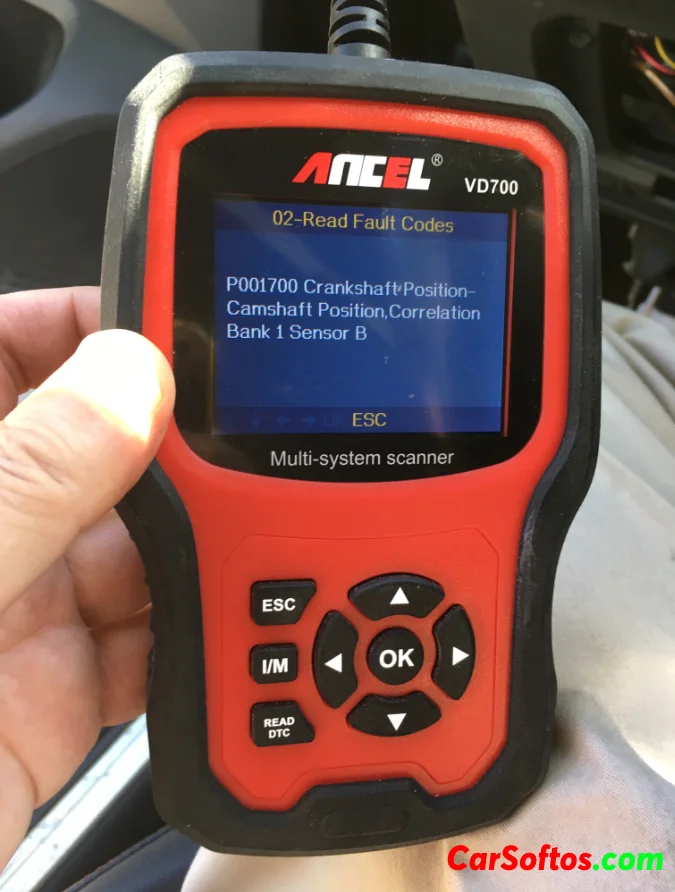
The P0017 diagnostic trouble code indicates a timing correlation problem between the crankshaft position sensor and the camshaft position sensor on Bank 1 Sensor B.
In simple terms, the engine timing is out of alignment.
This code is considered serious, as it may indicate timing chain stretch, VVT actuator failure, or internal engine timing issues.
When P0017 appears, the Check Engine Light will turn on, and the vehicle may run rough, lose power, or fail to start.
What Does P0017 Mean?
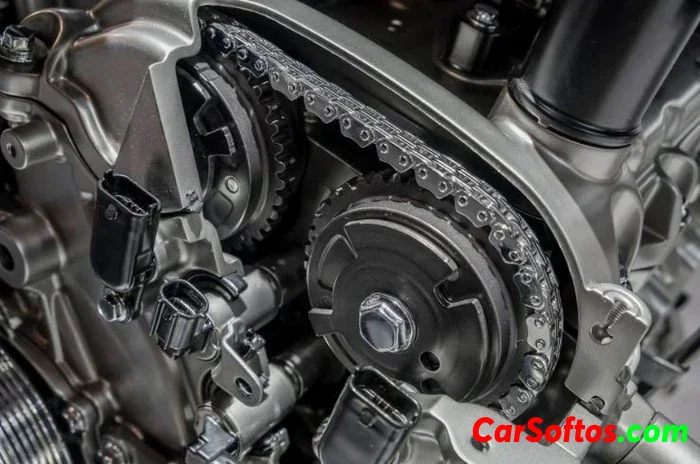
The code P0017 stands for:
Crankshaft Position – Camshaft Position Correlation (Bank 1 Sensor B)
Let’s break this down:
-
Crankshaft sensor (CKP) monitors engine rotation
-
Camshaft sensor (CMP) monitors valve timing
-
Correlation error means the signals are out of sync
Sensor B typically refers to the exhaust camshaft on Bank 1 (varies by manufacturer).
If the ECM detects that cam timing does not match crankshaft timing within factory limits, P0017 is triggered.
Quick Summary Table
| Code | P0017 |
|---|---|
| Meaning | Camshaft/Crankshaft Timing Correlation Error |
| Severity | High |
| Safe To Drive? | Not Recommended |
| Main Causes | Timing chain stretch, bad sensors, VVT failure |
| Repair Cost | $300 – $2500+ |
Symptoms of P0017
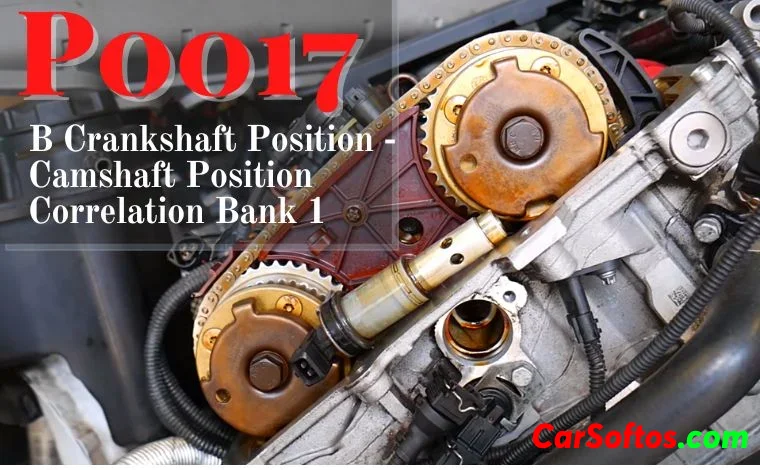
Common symptoms include:
-
Hard starting
-
Engine stalls
-
Rough idle
-
Loss of power
-
Engine rattling noise (especially cold start)
-
Poor acceleration
-
Check Engine Light ON
In severe cases, the engine may not start at all.
Why P0017 Is Serious
P0017 often indicates a mechanical timing issue rather than just a sensor problem.
Ignoring it may result in:
-
Timing chain jumping teeth
-
Valve timing misalignment
-
Bent valves (interference engines)
-
Catastrophic engine damage
This is not a code to ignore.
Most Common Causes of P0017
1️⃣ Stretched Timing Chain (Most Common Cause)
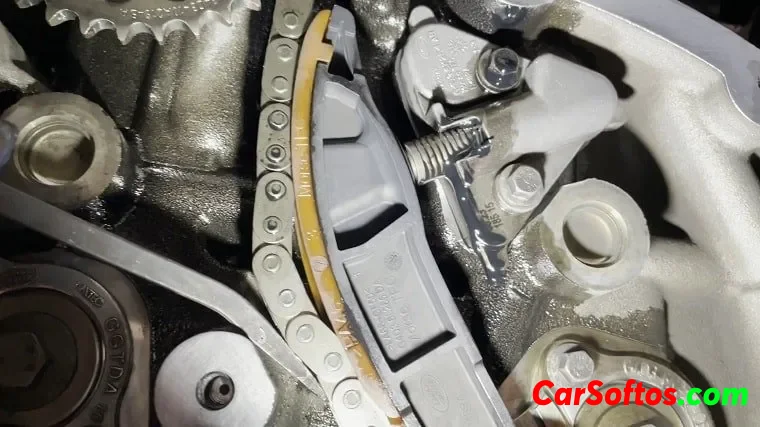
Over time, timing chains stretch due to wear and oil degradation.
This changes camshaft timing relative to crankshaft position.
2️⃣ Faulty Camshaft Position Sensor (Sensor B)
A damaged or inaccurate camshaft sensor can send incorrect signals.
3️⃣ Crankshaft Position Sensor Failure
Incorrect crankshaft timing signal may trigger correlation error.
4️⃣ Variable Valve Timing (VVT) Actuator Failure
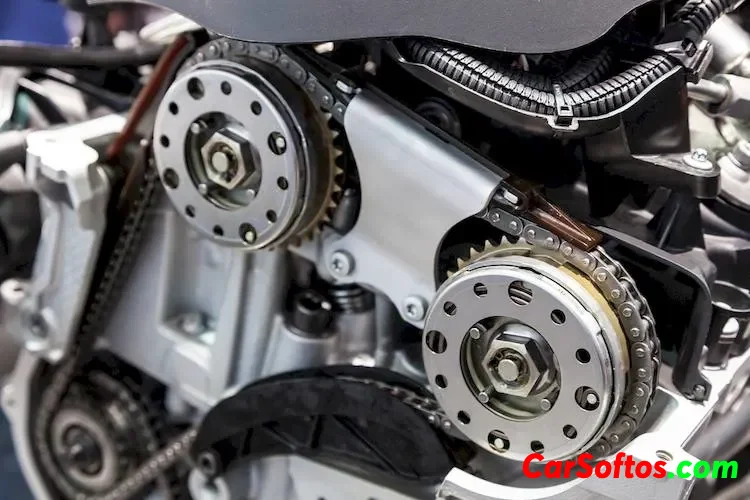
Modern engines use cam phasers to adjust timing dynamically.
If stuck or oil-restricted, timing may fall out of specification.
5️⃣ Low or Dirty Engine Oil
VVT systems rely on proper oil pressure.
Poor maintenance can trigger timing deviation codes.
Professional Diagnostic Procedure
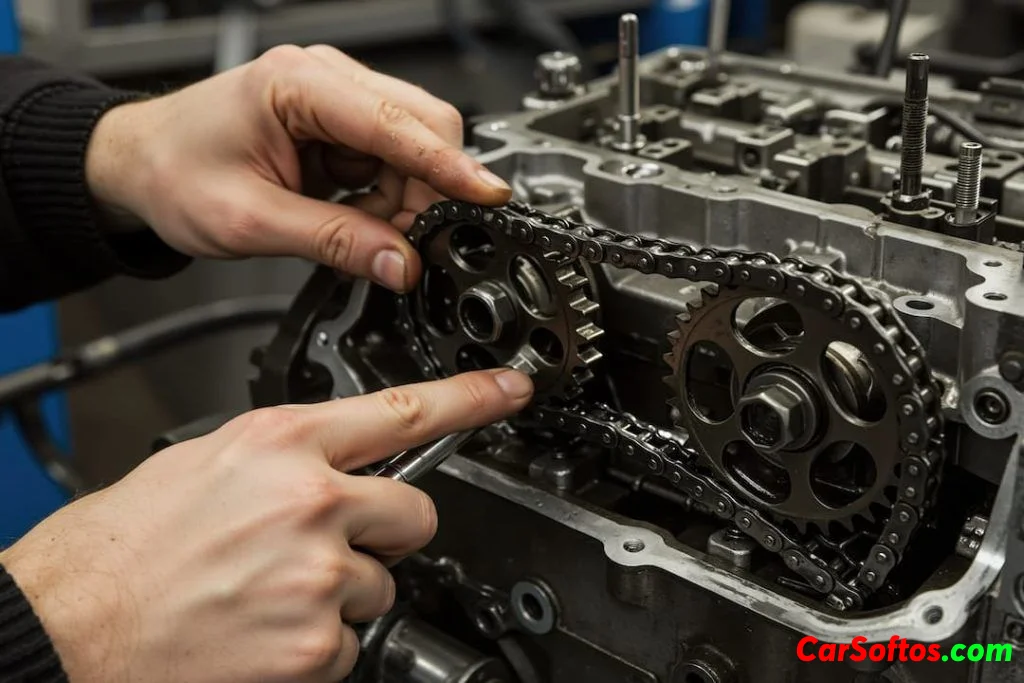
Step 1 — Check Oil Level and Condition
Low oil pressure affects VVT performance.
Step 2 — Scan for Related Codes
Look for:
-
P0016
-
P0008
-
P0021
-
VVT-related codes
Step 3 — Monitor Cam/Crank Deviation
Advanced scan tools show camshaft timing deviation in degrees.
Step 4 — Inspect Timing Chain Mechanically
If deviation exceeds specification, mechanical inspection is required.
Can You Drive With P0017?
Driving is strongly discouraged.
Continuing to drive may:
-
Cause engine damage
-
Increase repair costs
-
Lead to complete engine failure
Tow the vehicle if engine noise is present.
Repair Cost for P0017
| Repair | Estimated Cost |
|---|---|
| Camshaft sensor replacement | $150 – $350 |
| Crankshaft sensor replacement | $150 – $400 |
| VVT actuator replacement | $300 – $900 |
| Timing chain replacement | $800 – $2500 |
| Engine rebuild (severe case) | $2000 – $6000 |
Vehicles Frequently Affected
P0017 commonly appears on:
-
Chevrolet Ecotec engines
-
BMW N20 / N26
-
Audi / VW TFSI engines
-
Hyundai / Kia GDI
-
Ford EcoBoost
-
Toyota VVT-i engines
High-mileage turbo engines are especially prone.
Advanced Technical Insight
Professional technicians often compare:
-
Camshaft phase angle
-
Desired camshaft position
-
Actual camshaft position
If deviation exceeds ±5 degrees, timing chain stretch is likely.
Replacing sensors without verifying timing often does not fix the issue.
FAQ
Is P0017 worse than P0016?
They are similar, but P0017 typically relates to the exhaust camshaft.
Can low oil cause P0017?
Yes. Oil pressure directly affects VVT operation.
How long does timing chain replacement take?
6–12 hours depending on engine.
Can I reset P0017 and keep driving?
Clearing the code does not fix the mechanical issue.
Final Thoughts
The P0017 code indicates a camshaft and crankshaft timing correlation error on Bank 1 Sensor B.
In many cases, the root cause is:
-
timing chain stretch
-
VVT actuator malfunction
-
oil maintenance neglect
Because this code may signal serious mechanical problems, early professional diagnosis is strongly recommended.

Tags:
Users of Guests are not allowed to comment this publication.