
Navigation
Top News
Statistics
Advertisement
Аrchives
Votes
| Rate the site |
P2195 Code – O2 Sensor Signal Stuck Lean (Bank 1 Sensor 1) | Meaning, Causes, Symptoms & Fix
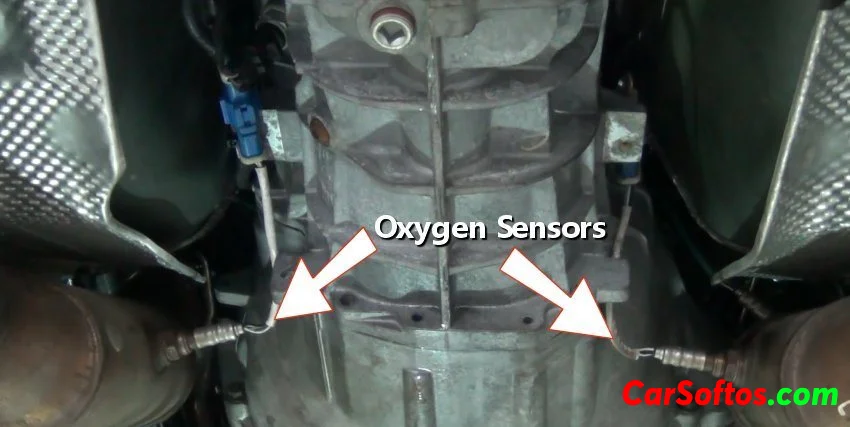
The P2195 diagnostic trouble code indicates that the oxygen sensor (O2 sensor) located on Bank 1 Sensor 1 is reporting a constantly lean condition.
In simple terms, the engine control module (ECM) believes the engine is running with too much air and not enough fuel, or the sensor itself is malfunctioning.
When P2195 appears, your Check Engine Light will illuminate, and you may notice rough idle, poor acceleration, or reduced fuel efficiency.
This is a common code on modern fuel-injected engines and often appears together with other fuel-trim or airflow-related codes.
The code P2195 stands for:
O2 Sensor Signal Biased/Stuck Lean – Bank 1 Sensor 1
Let’s break this down:
-
Bank 1 → side of the engine containing cylinder #1
-
Sensor 1 → upstream oxygen sensor (before catalytic converter)
-
Stuck Lean → sensor constantly reports low fuel (high oxygen)
The upstream O2 sensor plays a critical role in fuel control.
If it sends incorrect data, the ECU may adjust fuel incorrectly — causing drivability problems.
Quick Overview Table
| Code | P2195 |
|---|---|
| Meaning | O2 Sensor Signal Stuck Lean |
| Severity | Medium |
| Main Symptoms | Rough idle, hesitation, high fuel trim |
| Main Causes | Vacuum leak, bad O2 sensor, fuel issues |
| Safe To Drive? | Short distance only |
| Repair Cost | $100 – $900 |
Symptoms of P2195
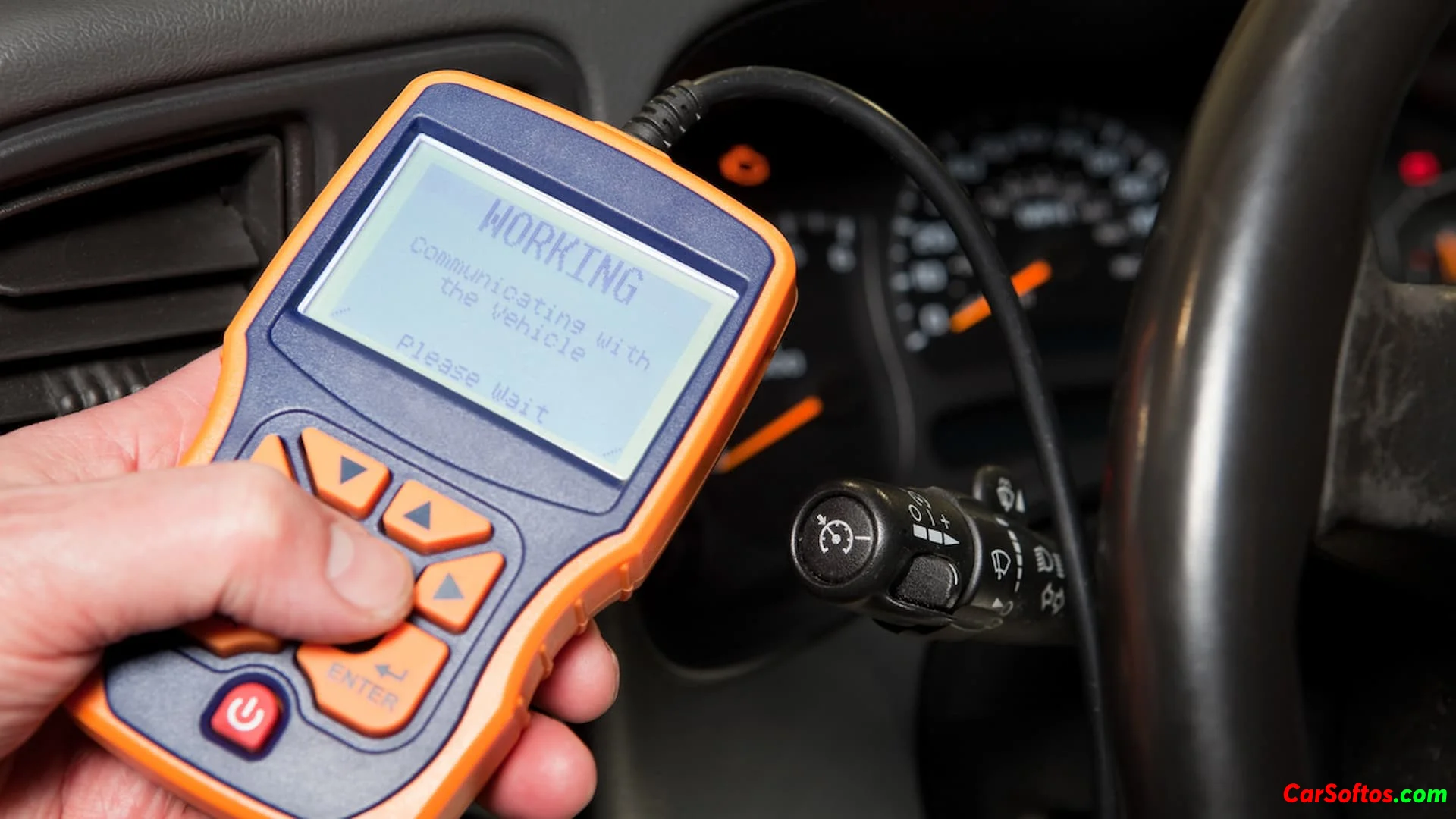
Common symptoms include:
-
Check Engine Light ON
-
Rough idle
-
Engine hesitation
-
Loss of power
-
Poor fuel economy
-
Hard starting
-
Engine runs rough when cold
Sometimes drivers feel only small performance changes.
Why This Code Is Important
Unlike many oxygen sensor codes, P2195 does NOT always mean the O2 sensor is bad.
Very often the sensor is working correctly — and simply reporting a real lean condition caused by:
-
vacuum leaks
-
MAF sensor issues
-
fuel pressure problems
This is why proper diagnosis is critical.
Common Causes of P2195
1️⃣ Vacuum Leak (MOST COMMON)
Unmetered air entering the engine causes a lean mixture.
Typical leak sources:
-
cracked intake hose
-
PCV hose
-
intake manifold gasket
-
loose vacuum lines
A smoke test is the fastest way to find leaks.
2️⃣ Faulty O2 Sensor (Bank 1 Sensor 1)
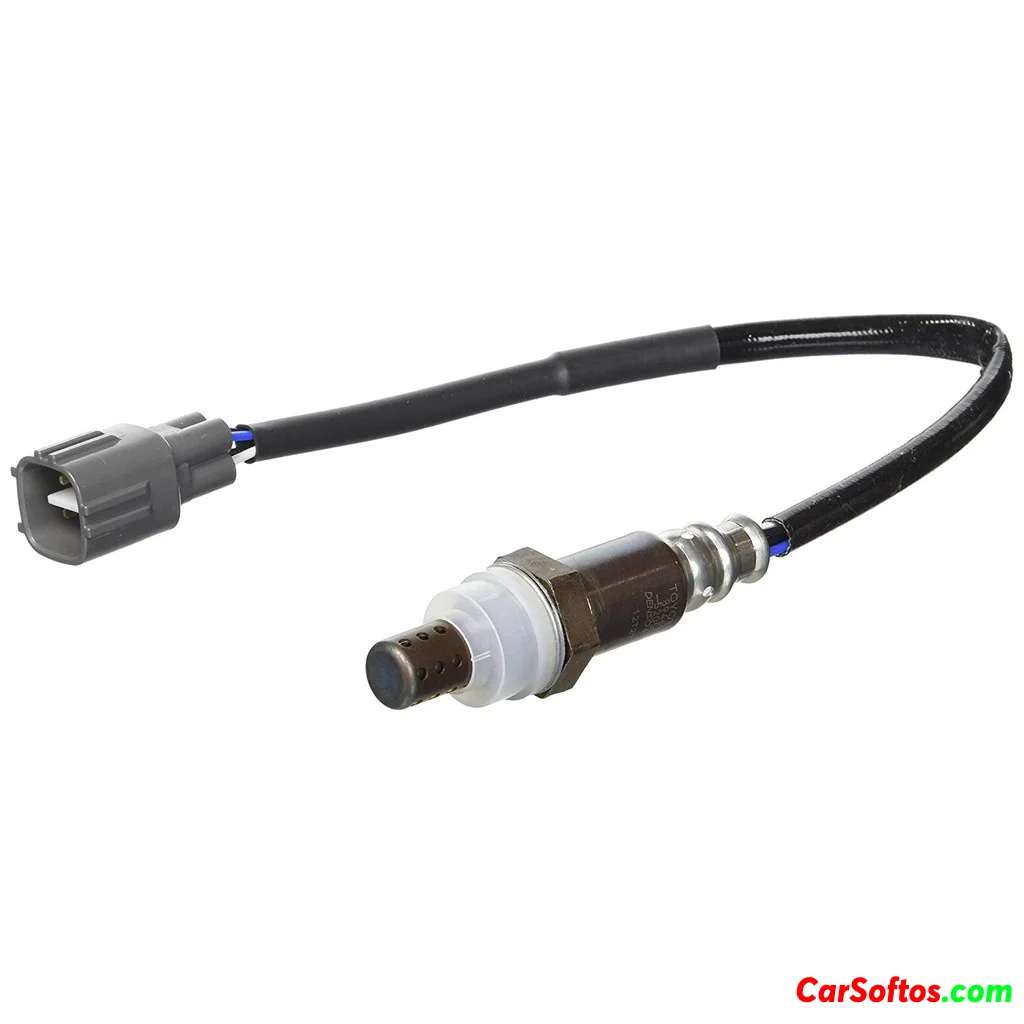
Over time, oxygen sensors degrade due to:
-
heat cycles
-
fuel contamination
-
carbon buildup
A worn sensor may become slow or stuck.
3️⃣ Dirty or Faulty MAF Sensor
A dirty Mass Air Flow sensor may under-report airflow, causing the ECU to inject less fuel.
This often triggers:
-
P0101
-
P0171
-
P2195
4️⃣ Low Fuel Pressure
Possible reasons:
-
weak fuel pump
-
clogged fuel filter
-
failing fuel pressure regulator
Low fuel supply creates a lean mixture.
5️⃣ Exhaust Leak Near Sensor
Exhaust leaks can pull extra oxygen into the exhaust stream, tricking the sensor into reading lean.
How Mechanics Diagnose P2195

Step 1 — Check Fuel Trim Values
Using live dаta:
-
STFT above +10% → lean condition
-
LTFT above +15% → long-term lean issue
This confirms a real mixture problem.
Step 2 — Inspect Vacuum Leaks
Perform smoke test on:
-
intake manifold
-
hoses
-
EVAP lines
Many P2195 cases are fixed here.
Step 3 — Monitor O2 Sensor Voltage
Normal upstream O2 sensor:
-
switches rapidly between lean and rich.
If sensor stays stuck low → issue confirmed.
Step 4 — Check MAF Readings
Airflow should rise smoothly with RPM.
If readings are low → clean or replace MAF.
Step 5 — Verify Fuel Pressure
Low pressure = lean condition.
Can You Drive With P2195?
Yes — but only short term.
Driving too long may cause:
-
overheating catalytic converter
-
misfires
-
engine damage
-
increased emissions
Repairs should not be postponed.
Repair Cost for P2195
| Repair | Estimated Cost |
|---|---|
| O2 sensor replacement | $120 – $350 |
| Vacuum leak repair | $50 – $300 |
| MAF cleaning | $20 – $50 |
| MAF replacement | $150 – $400 |
| Fuel pump replacement | $400 – $900 |
Vehicles Commonly Affected
P2195 appears often on:
-
Toyota
-
Ford
-
Mazda
-
Honda
-
BMW
-
Audi
-
Hyundai
Especially high-mileage gasoline engines.
Advanced Diagnostic Tip
Many technicians mistake P2195 for a bad oxygen sensor.
Professional diagnosis always starts with:
-
Fuel trim analysis
-
Vacuum leak inspection
-
MAF check
Replacing the sensor blindly often does not fix the problem.
FAQ
Is P2195 serious?
Moderately serious. Ignoring it can lead to engine and catalytic converter damage.
Will replacing the O2 sensor fix P2195?
Sometimes — but vacuum leaks are more common.
Can a dirty MAF cause P2195?
Yes. Incorrect airflow data can create a lean condition.
Can bad fuel trigger P2195?
Rarely, but poor fuel quality may contribute.
Final Thoughts
The P2195 code indicates that the engine is running lean or that the upstream oxygen sensor is unable to provide accurate readings.
In most cases, the root cause is:
-
vacuum leaks
-
airflow measurement problems
-
fuel delivery issues
Proper diagnosis using live data prevents unnecessary parts replacement and saves money.

Tags:
Users of Guests are not allowed to comment this publication.