
Navigation
Top News
Statistics
Advertisement
Аrchives
Votes
| Rate the site |
Can Bad Gas Trigger a Check Engine Light? Mechanics Explain What Really Happens
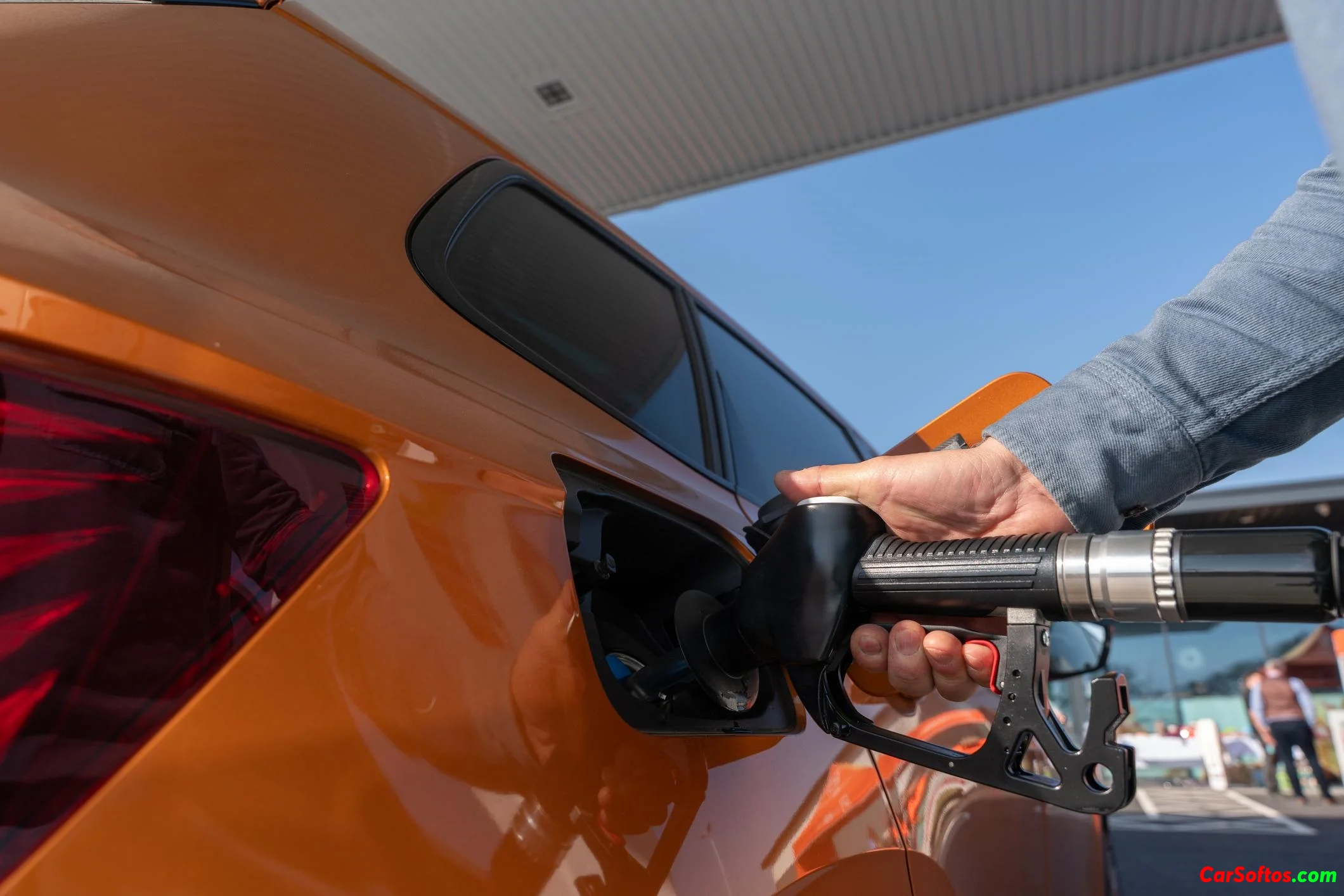
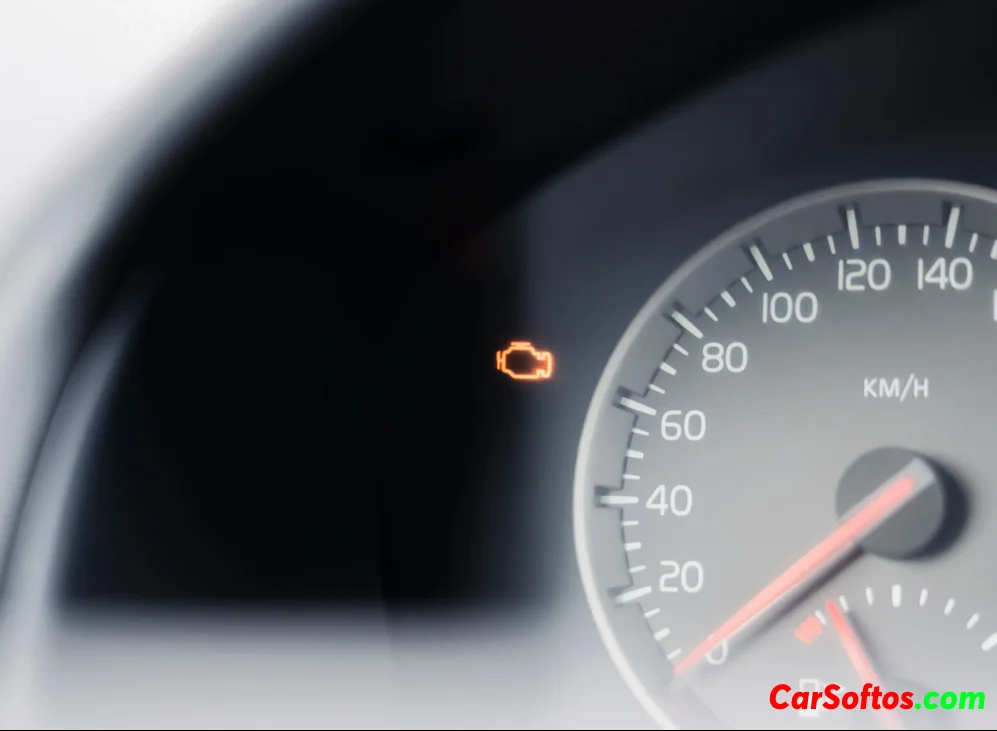
When the Check Engine Light turns on shortly after refueling, many drivers immediately assume one thing:
“Bad gas.”
But can poor fuel quality really trigger OBD2 error codes?
According to mechanics, the answer is yes — but not always in the way people think.
How Bad Gas Affects Your Engine
Fuel quality directly impacts:
-
combustion stability
-
air-fuel mixture
-
ignition timing
-
emissions system
If gasoline contains contaminants, excess ethanol, or water, it may cause improper combustion — leading to engine codes.
Most Common Codes Triggered by Poor Fuel
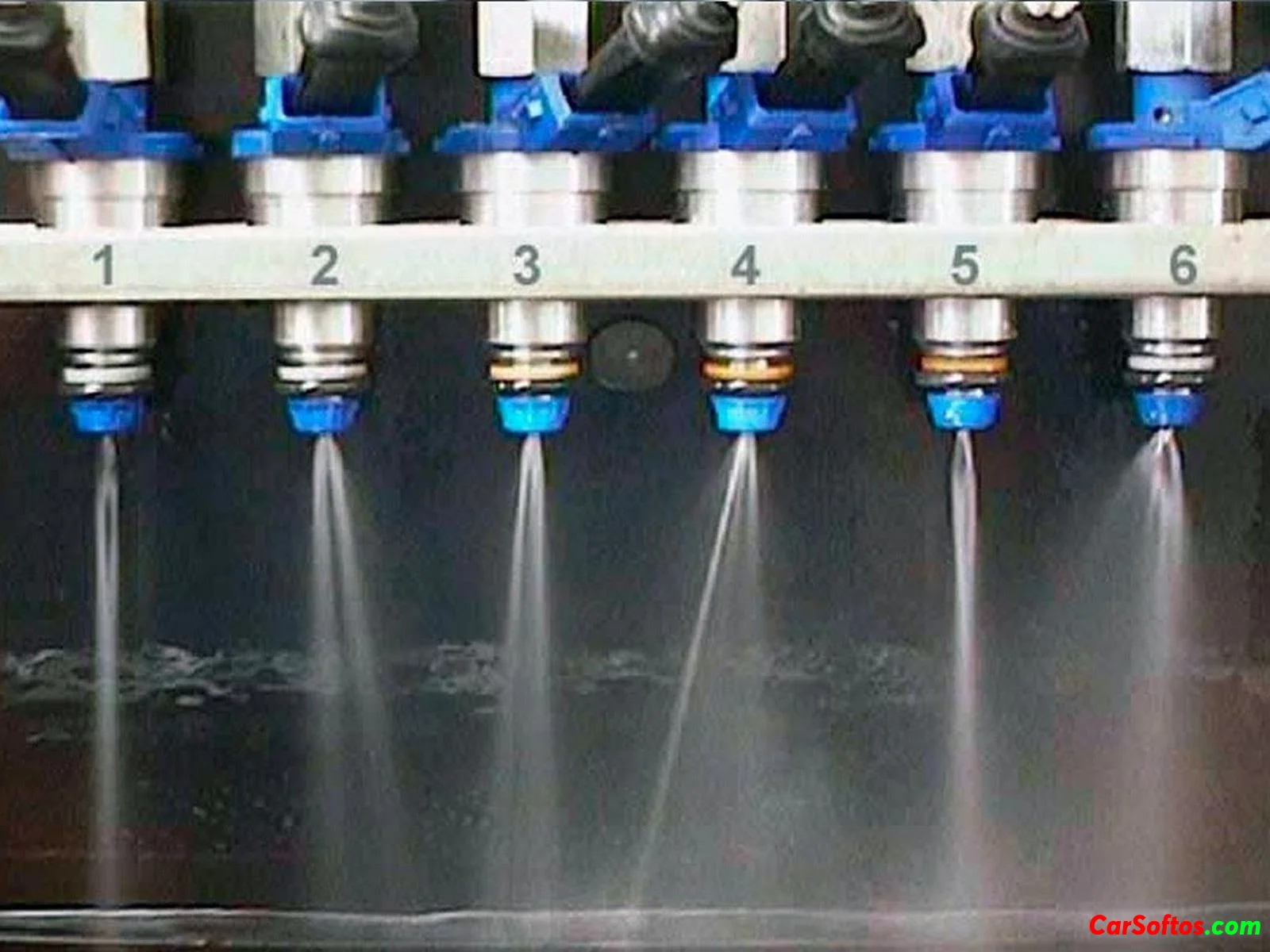
Mechanics report that bad gas may trigger:
🔥 P0300 – Random Misfire
If fuel does not burn evenly, misfires can occur.
⚖ P0171 – System Too Lean
Low-quality fuel may cause unstable fuel trim readings.
⚖ P0172 – System Too Rich
If fuel mixture becomes unstable, the ECU may overcompensate.
🛢 P2195 – O2 Sensor Stuck Lean
Improper combustion may confuse oxygen sensor readings.
What Actually Makes Gas “Bad”?
Fuel becomes problematic when it contains:
-
water contamination
-
dirt or debris
-
improper ethanol levels
-
old or stale gasoline
In some cases, fuel from rarely used stations may degrade faster.
Symptoms of Bad Gas
Drivers may notice:
-
rough idle
-
hesitation during acceleration
-
engine knocking
-
reduced power
-
increased fuel consumption
Sometimes the only symptom is the check engine light.
Can the Light Turn Off After Refueling Again?
Sometimes yes.
If the issue was temporary, the ECU may clear the code after several drive cycles.
However, if contamination remains, the problem may persist.
When It’s NOT the Fuel
Mechanics warn that drivers often blame fuel when the real issue is:
-
failing ignition coil
-
dirty MAF sensor
-
vacuum leak
-
weak fuel pump
-
aging spark plugs
If the light appears repeatedly, professional diagnosis is recommended.
Is It Safe to Keep Driving?
✔ Short-term — usually yes, if the car runs normally.
❌ Not safe if you experience:
-
engine shaking
-
flashing check engine light
-
severe power loss
Misfires caused by poor fuel can damage the catalytic converter.
How to Fix Bad Fuel Issues
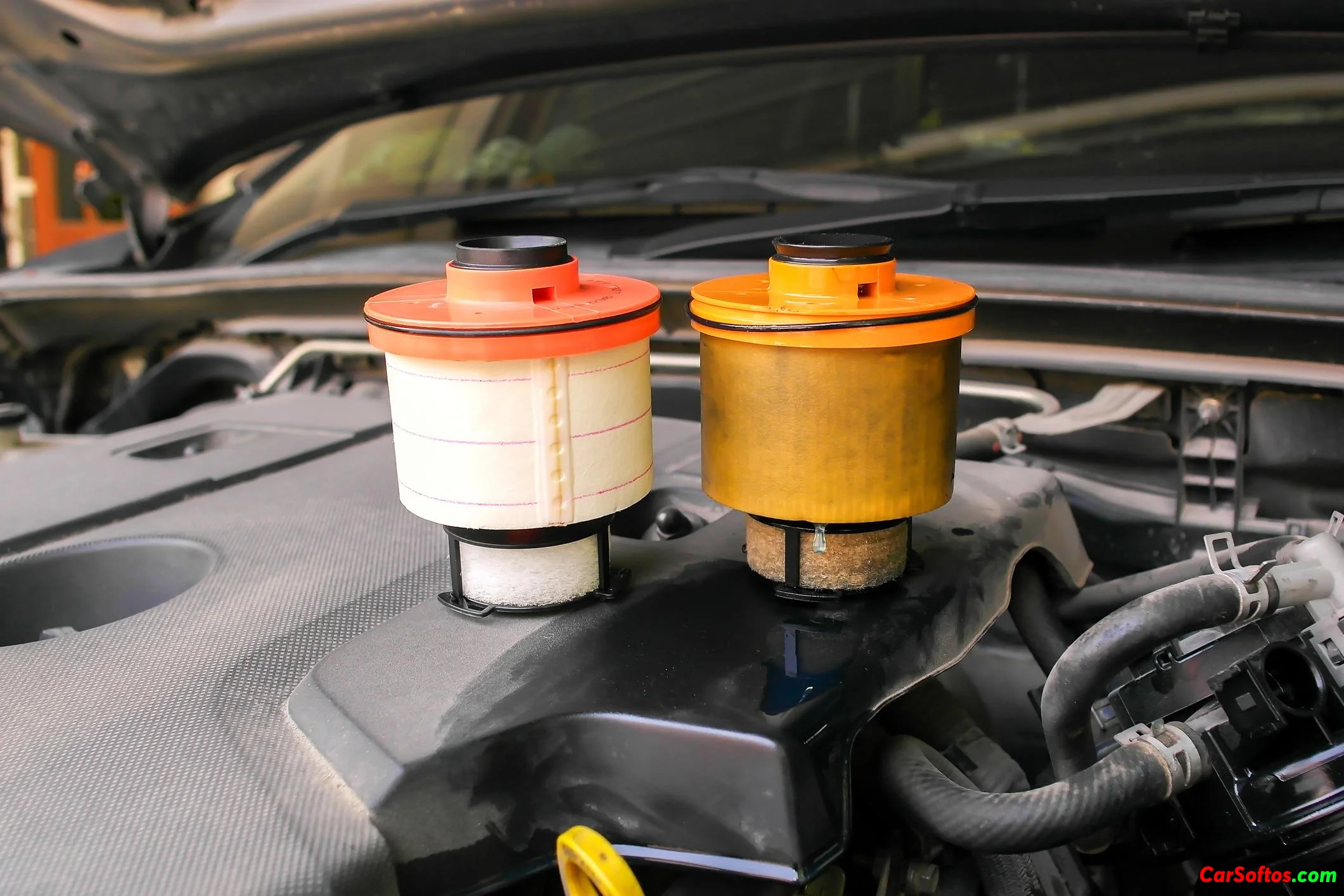
Possible solutions include:
-
adding fuel system cleaner
-
draining contaminated fuel
-
replacing fuel filter
-
cleaning injectors
In severe cases, fuel system service may be required.
How to Avoid Bad Gas Problems
Experts recommend:
✔ refueling at reputable stations
✔ avoiding nearly empty tanks
✔ using recommended octane
✔ performing regular maintenance
Keeping the fuel system clean reduces risk.
FAQ
Can bad gas cause a check engine light?
Yes, especially misfire and fuel mixture codes.
How long does bad gas stay in your system?
It may take several drive cycles or refueling to dilute it.
Can water in gas trigger codes?
Yes, water contamination can cause combustion instability.
Should I use fuel additives?
Quality additives can help in mild cases.
Final Thoughts
Bad gasoline can trigger a Check Engine Light — but it is not always the root cause.
While contaminated or low-quality fuel may lead to misfires or mixture issues, many warning lights blamed on “bad gas” actually come from aging components.
The smartest approach:
➡️ scan the code
➡️ confirm the cause
➡️ fix the issue before damage occurs

Tags:
Users of Guests are not allowed to comment this publication.