
Navigation
Top News
Statistics
Advertisement
Аrchives
Votes
| Rate the site |
Why Your Check Engine Light Turns On More in Cold Weather (Mechanics Explain)
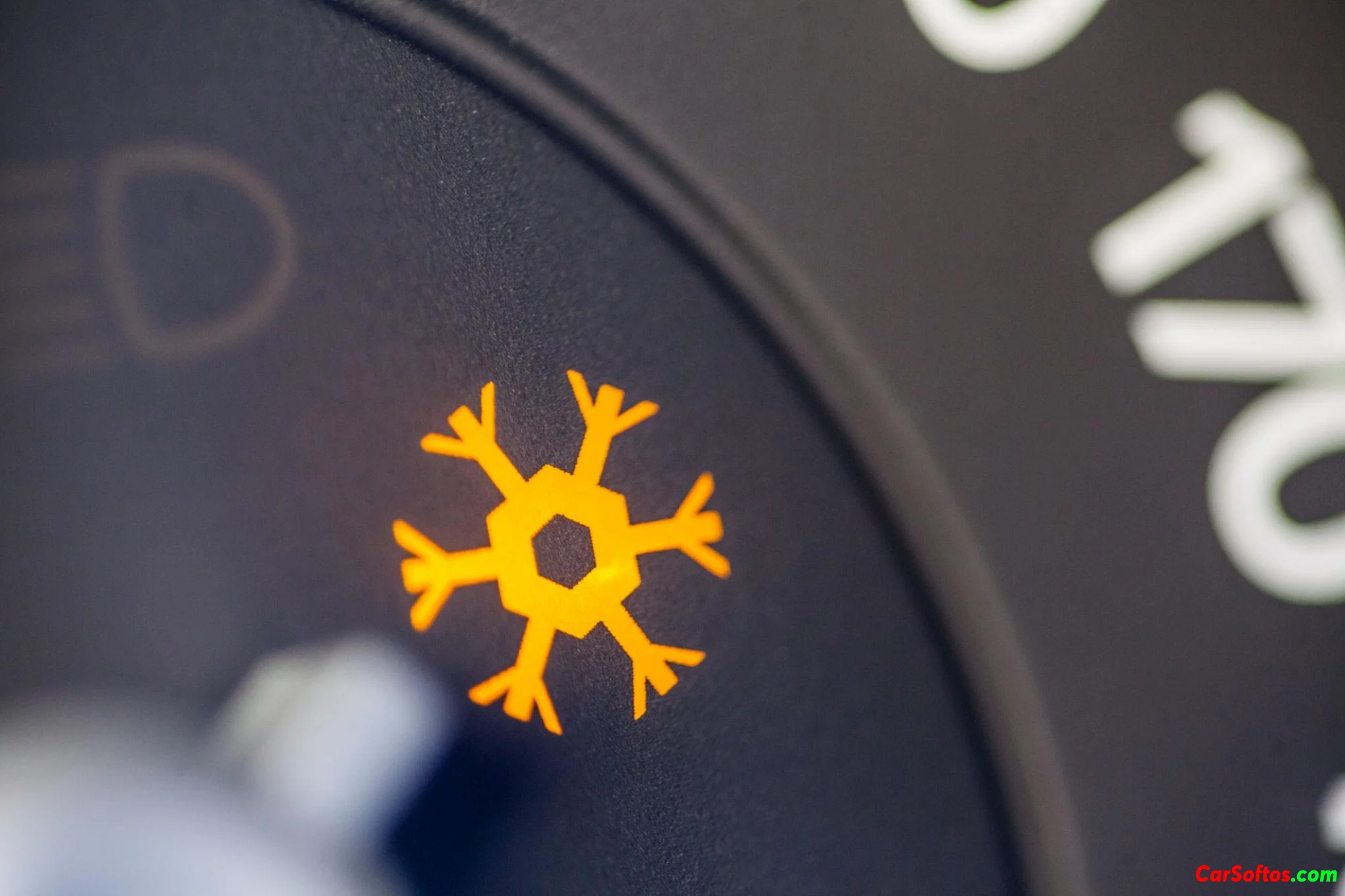
Many drivers report seeing the Check Engine Light more frequently during cold weather.
Auto repair specialists confirm that winter conditions can trigger certain OBD2 codes more often — even when nothing major is wrong.
Cold temperatures affect:
-
sensors
-
battery performance
-
fuel mixture
-
emissions systems
Here’s why winter increases warning lights.
1️⃣ Cold Air Changes the Air-Fuel Mixture
In cold weather, air becomes denser.
The engine computer must adjust fuel delivery precisely.
If airflow sensors (MAF) or oxygen sensors are slightly dirty or aging, this adjustment may trigger codes like:
-
P0171 (System Too Lean)
-
P0172 (System Too Rich)
-
P0101 (MAF Sensor Performance)
Minor sensor inaccuracies become more noticeable in low temperatures.
2️⃣ EVAP System Problems Appear More Often
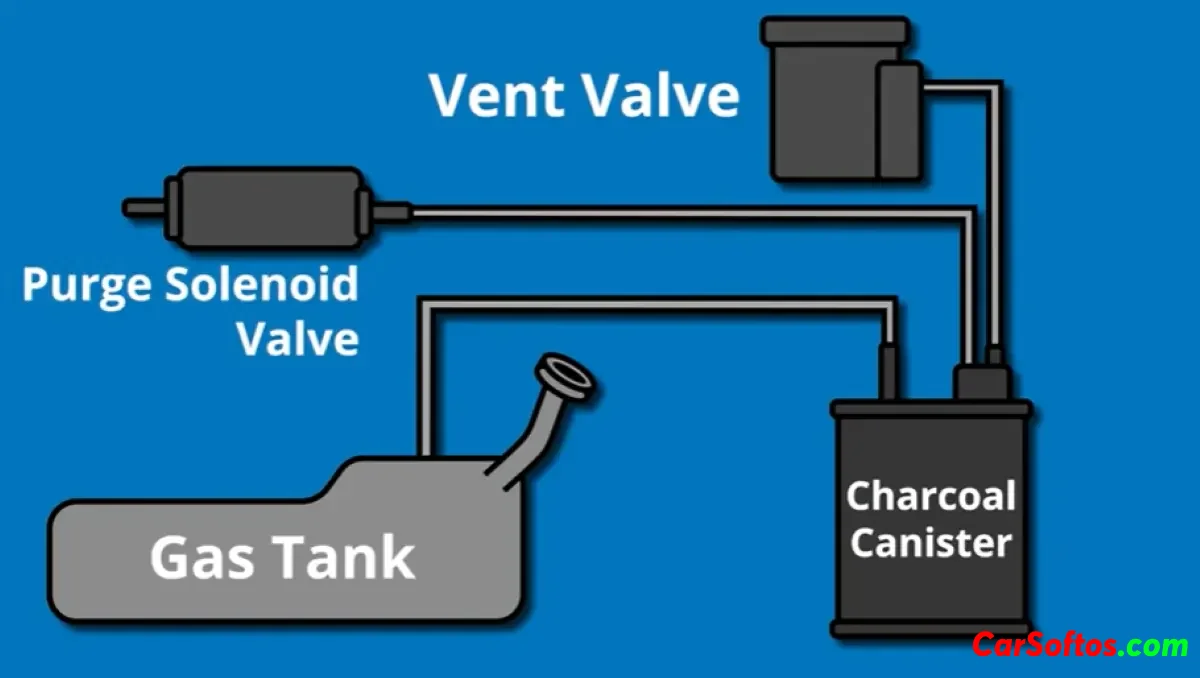
Cold weather causes rubber seals and hoses to shrink slightly.
This can lead to:
-
P0442 (Small EVAP Leak)
-
P0455 (Large EVAP Leak)
A loose or aging gas cap may seal poorly in freezing temperatures.
3️⃣ Weak Batteries Trigger Sensor Errors
Cold weather reduces battery performance.
If voltage drops:
-
sensors may send unstable signals
-
engine control modules may log temporary codes
Low voltage can sometimes trigger:
-
communication codes
-
sensor performance errors
Mechanics often test battery health first during winter diagnostics.
4️⃣ Thermostat Issues Become More Obvious
Code P0128 (Coolant Thermostat Below Regulating Temperature) is much more common in cold weather.
A weak thermostat that works fine in summer may struggle in winter.
Symptoms include:
-
engine warms slowly
-
poor cabin heat
-
slightly reduced fuel economy
5️⃣ Misfires Can Appear More Easily
Cold starts are harder on:
-
spark plugs
-
ignition coils
-
fuel injectors
If ignition components are worn, winter can trigger:
-
P0300 (Random Misfire)
-
P0301–P0304 (Cylinder Misfires)
Cold fuel and thicker oil increase engine stress during startup.
Are Winter Check Engine Lights Serious?
In many cases:
✔ the problem is minor
✔ the code may clear after temperatures rise
However, mechanics warn:
❌ Do not ignore a flashing light
❌ Do not ignore engine shaking
❌ Diagnose recurring codes
Cold weather may expose existing weaknesses.
Why Modern Cars React More in Winter
Today’s engines are:
-
tightly tuned for emissions
-
equipped with more sensors
-
programmed with strict thresholds
Small fluctuations in cold weather trigger warning lights earlier than older vehicles.
This is actually protective — not harmful.
What Drivers Should Do
Mechanics recommend:
✔ Check battery condition
✔ Inspect gas cap seal
✔ Replace old spark plugs
✔ Use quality fuel
✔ Scan codes early
Preventative maintenance reduces winter warnings.
FAQ
Is it normal for check engine light to come on in cold weather?
It’s common, especially for EVAP and fuel mixture codes.
Can freezing temperatures cause error codes?
Yes, especially if seals, sensors or batteries are weak.
Will the light go off when it gets warmer?
Sometimes — but recurring codes should be diagnosed.
Final Thoughts
Cold weather doesn’t create problems — it reveals them.
Winter often exposes small issues in sensors, seals and ignition components.
The good news:
Early diagnosis in winter usually prevents expensive repairs later.

Tags:
Users of Guests are not allowed to comment this publication.