
Navigation
Top News
Statistics
Advertisement
Аrchives
Votes
| Rate the site |
Why Did My Check Engine Light Turn On After an Oil Change? (Mechanics Explain)
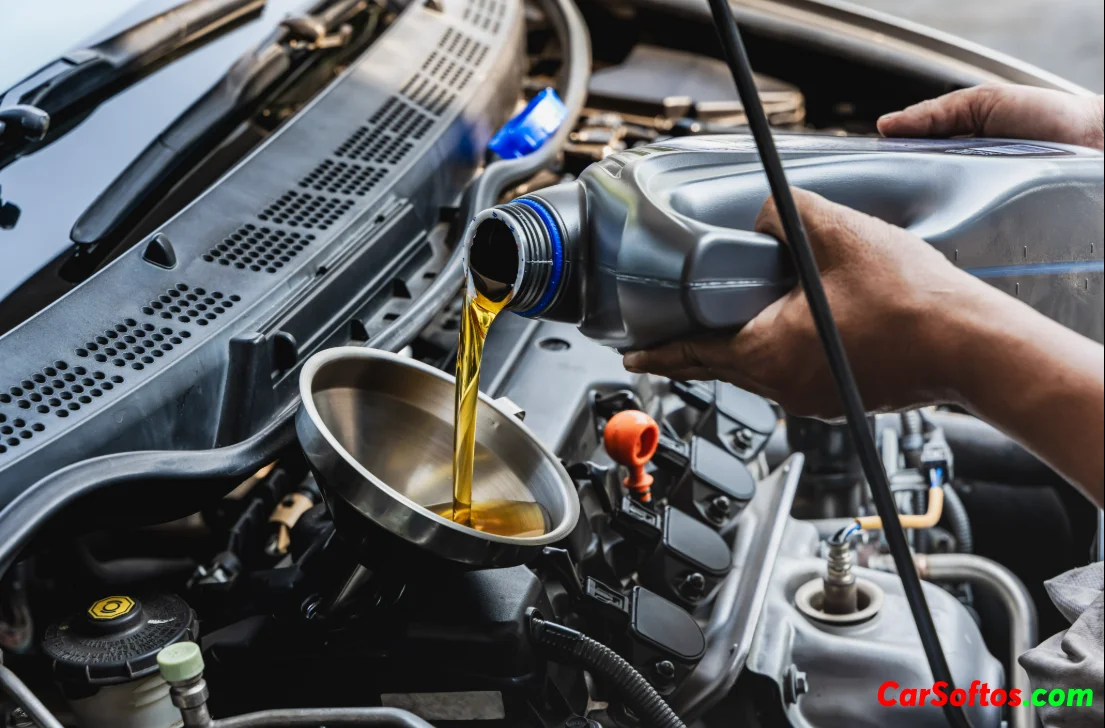
Many drivers experience this frustrating scenario:
You get an oil change…
Drive away…
And suddenly the Check Engine Light turns on.
Is it a coincidence?
Did the shop make a mistake?
Is something damaged?
According to mechanics, there are several common reasons this can happen — and most are fixable.
1️⃣ Oil Cap or Dipstick Not Fully Sealed
One of the most common causes.
If the oil cap is loose or not properly tightened:
-
vacuum pressure may change
-
airflow readings may be affected
-
EVAP or mixture codes may appear
Even a small air leak can trigger warning codes like:
-
P0171 (System Too Lean)
-
P0101 (MAF Performance)
Always check the oil cap first.
2️⃣ Disconnected Sensor or Hose
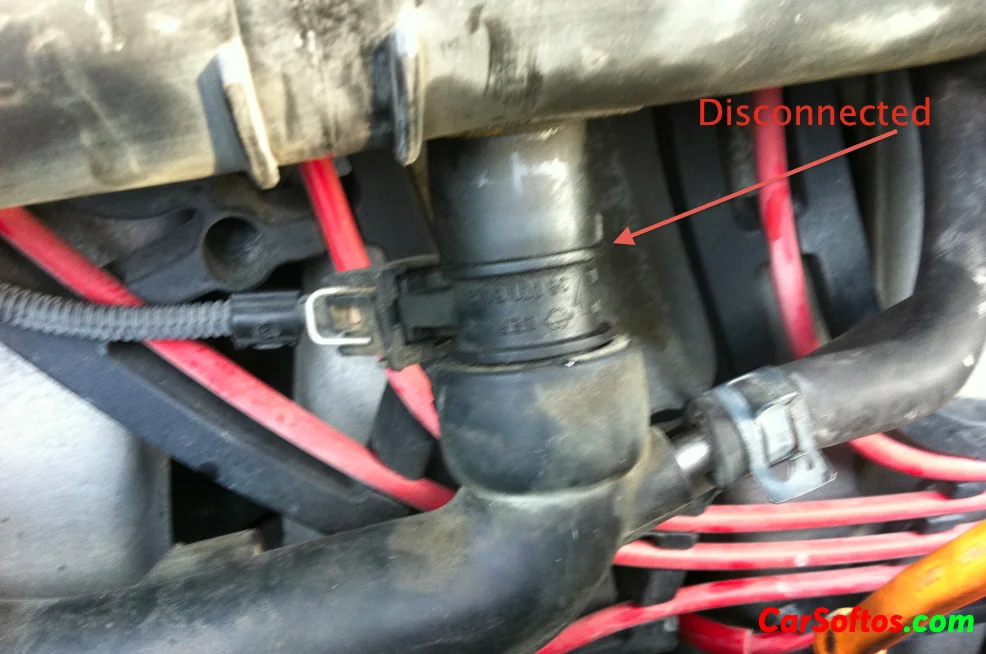
During service, technicians may move intake hoses or wiring.
If something was not reconnected properly:
-
airflow readings change
-
fuel trims go out of range
-
engine logs a code
Even a slightly loose intake hose can trigger a warning.
3️⃣ Oil Spilled on Sensors
Sometimes small oil spills land on:
-
oxygen sensors
-
wiring connectors
-
engine components
This may cause temporary electrical irregularities.
Most minor spills burn off and codes may clear after several drive cycles.
4️⃣ Wrong Oil Type or Viscosity
Modern engines rely on precise oil flow — especially with:
-
turbochargers
-
variable valve timing (VVT) systems
Using incorrect oil may trigger:
-
P0016 / P0017 (timing correlation)
-
oil pressure-related codes
Always use manufacturer-recommended oil grade.
5️⃣ Coincidence — The Code Was Already Developing
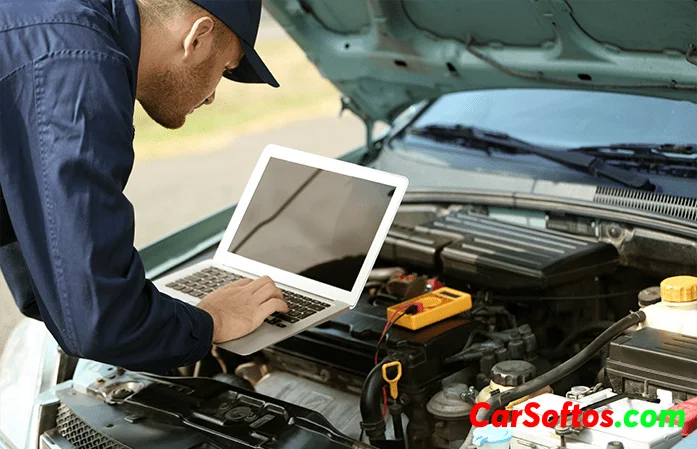
Sometimes the timing is purely coincidence.
Small issues may have been developing before the oil change, and the light appears afterward.
Common examples:
-
failing oxygen sensor
-
weak ignition coil
-
small vacuum leak
The oil change did not cause the issue — it simply happened around the same time.
Is It Safe to Drive?
✔ If the light is solid and the car runs normally, short-term driving is usually safe.
❌ If the light flashes or the engine shakes, stop driving immediately.
Always scan the code to confirm the cause.
What You Should Do Immediately
1️⃣ Check oil cap and dipstick
2️⃣ Inspect for loose hoses
3️⃣ Scan OBD2 code
4️⃣ Return to service shop if needed
Most reputable shops will re-check work free of charge.
Common Codes Seen After Oil Change
| Code | Possible Cause |
|---|---|
| P0171 | Vacuum leak |
| P0101 | Airflow issue |
| P0016 | Oil-related timing problem |
| P0300 | Ignition issue |
| P0128 | Thermostat coincidence |
When It’s Actually Serious
If you notice:
-
loud engine noise
-
oil pressure warning
-
overheating
-
flashing check engine light
Stop driving and have the vehicle inspected immediately.
FAQ
Can an oil change trigger a check engine light?
Yes, especially if something was left loose.
Should I go back to the mechanic?
Yes — especially if the light appeared immediately after service.
Can wrong oil cause engine codes?
Yes, particularly timing and oil-pressure-related codes.
Will the light go away on its own?
Sometimes, if the issue was minor or temporary.
Final Thoughts
A check engine light after an oil change is usually caused by a small issue — not engine damage.
Most cases involve loose components, airflow changes, or simple coincidence.
The best approach:
➡️ inspect basic items
➡️ scan the code
➡️ resolve small problems early

Tags:
Users of Guests are not allowed to comment this publication.