Navigation

Top News

Statistics

Advertisement


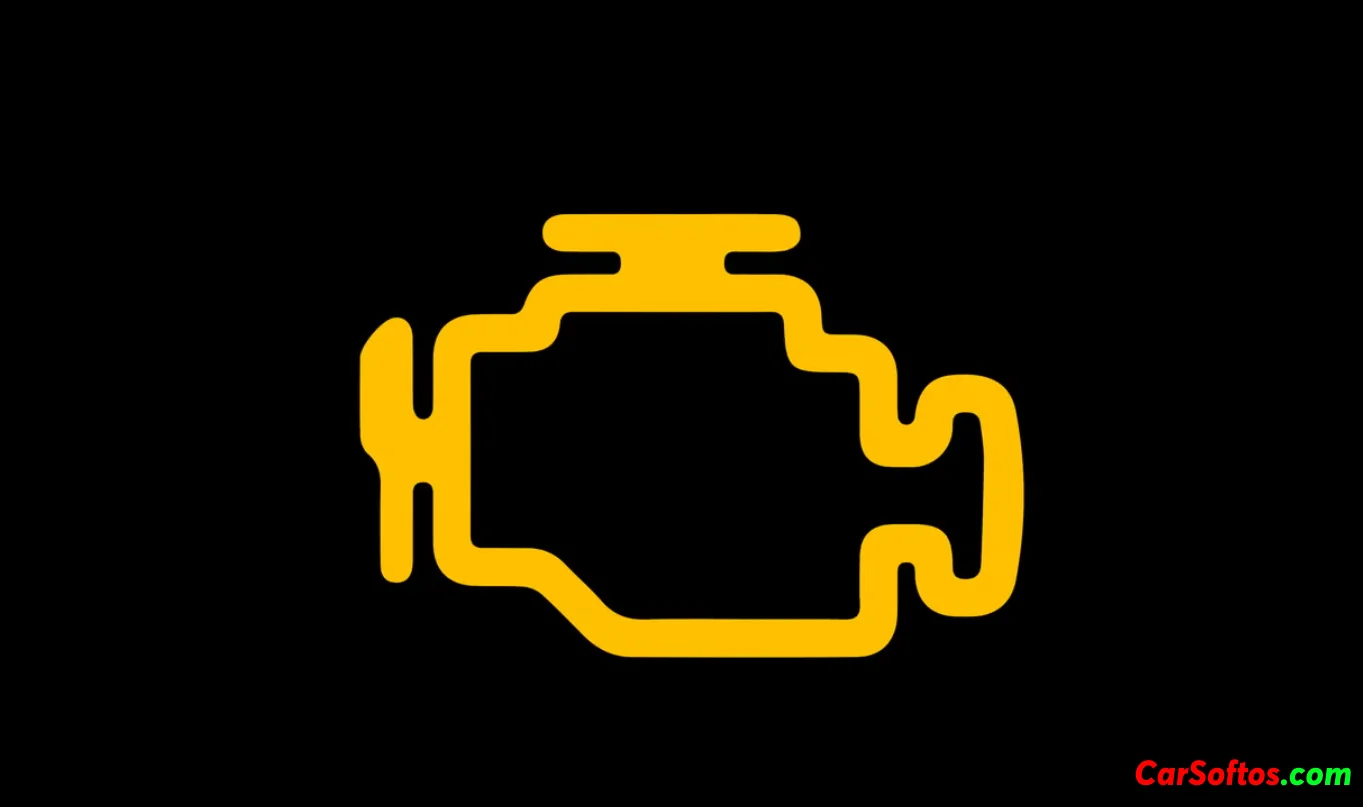
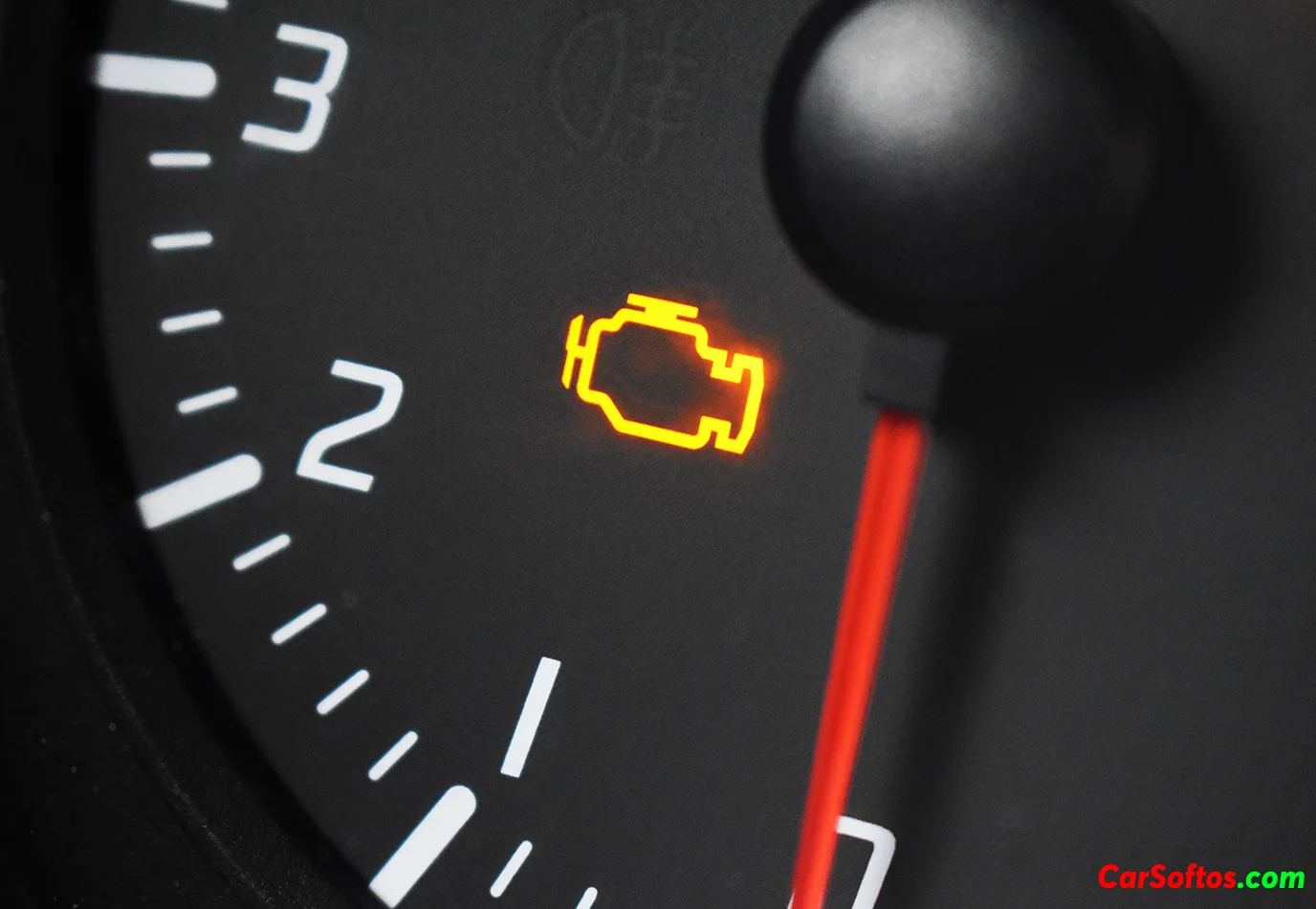
Many drivers report seeing the Check Engine Light more frequently during cold weather.

Auto repair specialists confirm that winter conditions can trigger certain OBD2 codes more often — even when nothing major is wrong.

Cold temperatures affect:

  • sensors

  • battery performance

  • fuel mixture

  • emissions systems

Here’s why winter increases warning lights.

  • LIKE
  • 0


Auto technicians report that many drivers continue driving for weeks — sometimes months — after certain check engine codes appear.

The problem?

Some of these “ignored” codes can slowly lead to expensive damage.

Here are the five codes mechanics say drivers underestimate the most.

  • LIKE
  • 0


Auto repair technicians are reporting an increase in vehicles showing the P0171 trouble code, one of the most common fuel-mixture errors seen today.

The P0171 code indicates that the engine is running too lean, meaning there is too much air and not enough fuel in the combustion mixture.

While many cars continue to drive normally at first, experts warn that ignoring this issue may lead to bigger problems.

  • LIKE
  • 1


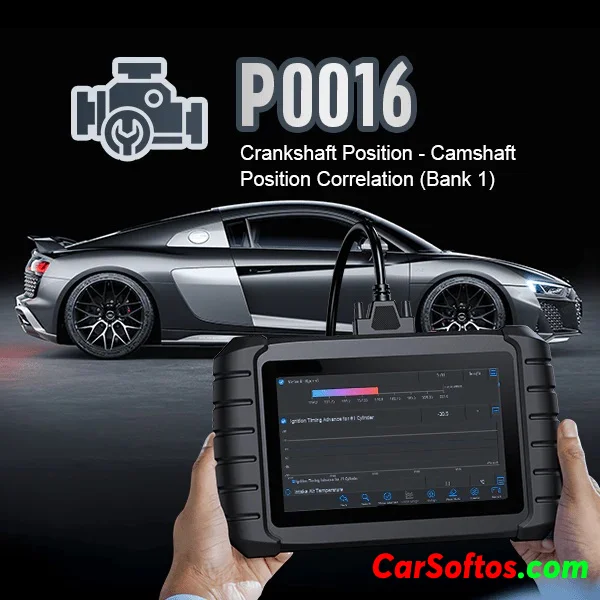
Auto repair shops report that more vehicles are arriving with the P0016 engine code, a timing-related error that many mechanics consider serious.

The P0016 code indicates that the engine computer has detected a timing mismatch between the crankshaft and camshaft.

Experts say this problem is appearing more frequently in modern engines — especially those with variable valve timing (VVT) systems.

  • LIKE
  • 1


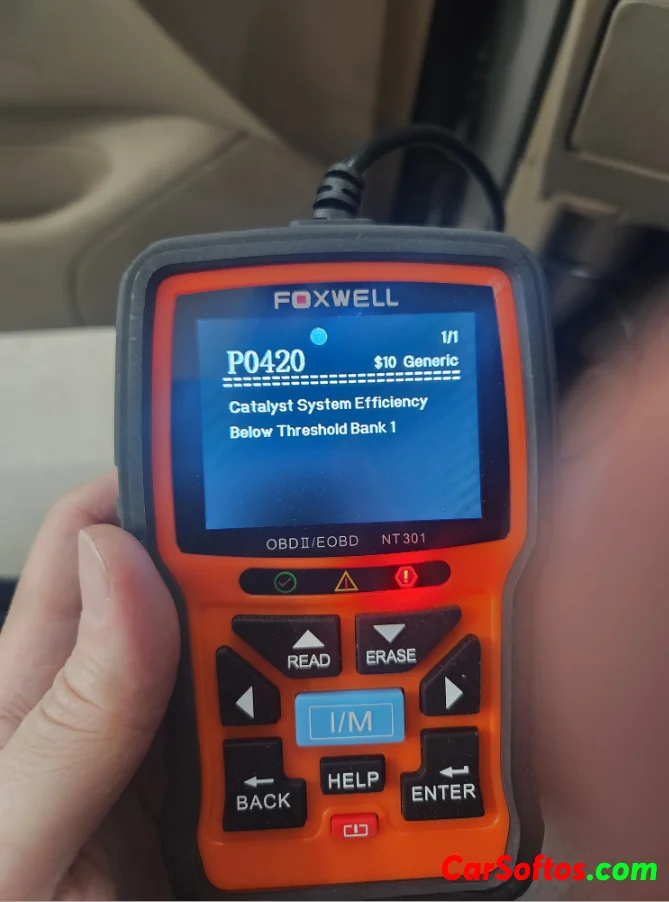
Auto repair specialists are reporting a noticeable increase in vehicles showing the P0420 error code, one of the most common emissions-related problems seen today.

The P0420 code indicates that the catalytic converter is no longer operating at optimal efficiency.

While many drivers expect major engine problems when this code appears, mechanics say the situation is often more complex — and sometimes preventable.

  • LIKE
  • 1


Not all check engine lights are equal.

Some OBD2 codes indicate simple sensor problems — while others may point to major engine or emissions system repairs costing thousands of dollars.

Understanding which codes are expensive helps drivers react early and avoid bigger damage.

Below are the 10 most expensive OBD2 codes mechanics see most often.

  • LIKE
  • 1


OBD2 codes (On-Board Diagnostics II) are diagnostic trouble codes stored by your car’s computer when it detects a problem.

Every modern vehicle monitors engine performance using sensors.
If something works outside normal limits, the system stores an error code and turns on the Check Engine Light.

These codes help mechanics quickly identify problems before serious damage happens.

  • LIKE
  • 1
Author: carsoftos777 | 16-02-2026, 01:41 | OBD2 Error Codes | Views: 32 | Comments: 0


Seeing the Check Engine Light often makes drivers worry about expensive repairs.

But here’s good news:

➡️ Many OBD2 trouble codes are actually cheap and simple to fix.

In many cases, the repair costs less than a normal service visit — especially if diagnosed early.

This guide covers the most common low-cost OBD2 codes and their typical repair prices.

  • LIKE
  • 1
Author: carsoftos777 | 15-02-2026, 21:21 | OBD2 Error Codes | Views: 21 | Comments: 0


Not every Check Engine Light means immediate danger.

Some codes are minor — like EVAP leaks — but others can quickly lead to expensive engine damage if ignored.

Below are the 7 most serious check engine codes that every driver should take seriously.

  • LIKE
  • 1


Seeing the Check Engine Light turn on can be stressful for any driver.

However, many people don’t realize there are two different types of warning signals:

  • A solid (steady) check engine light

  • A flashing (blinking) check engine light

Understanding the difference is extremely important — because one may be safe for short driving, while the other can quickly cause serious engine damage.

  • LIKE
  • 1