
Navigation
Top News
Statistics
Advertisement
Аrchives
Votes
| Rate the site |
Top 10 Most Expensive OBD2 Codes to Fix (And Why Repairs Cost So Much)
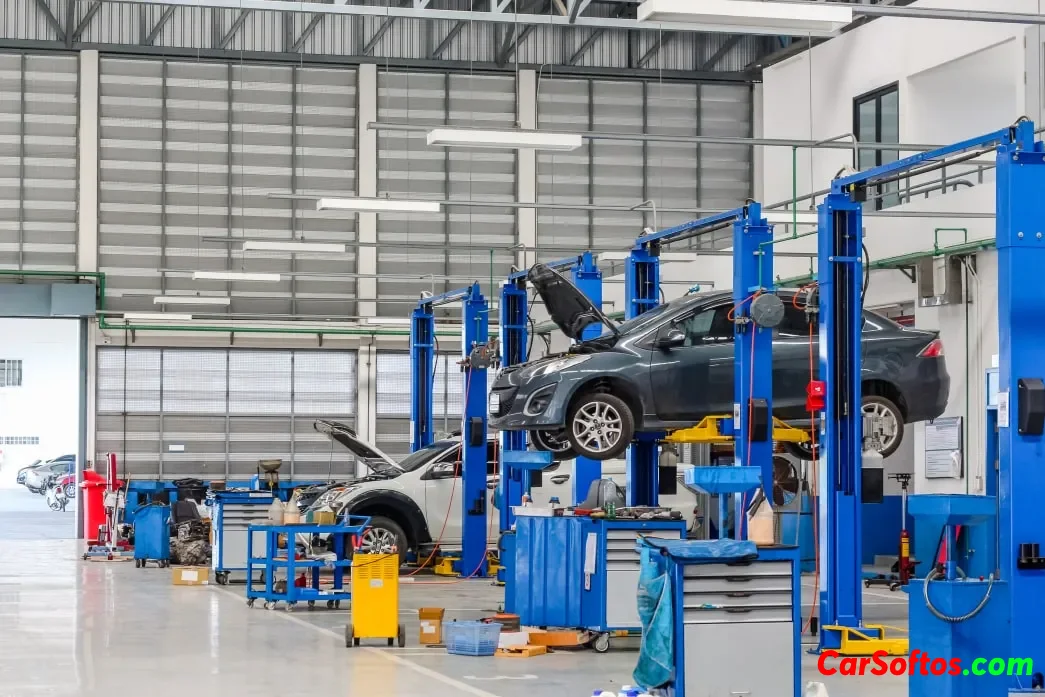
Not all check engine lights are equal.
Some OBD2 codes indicate simple sensor problems — while others may point to major engine or emissions system repairs costing thousands of dollars.
Understanding which codes are expensive helps drivers react early and avoid bigger damage.
Below are the 10 most expensive OBD2 codes mechanics see most often.
1️⃣ P0016 – Crankshaft / Camshaft Correlation
One of the most feared timing-related codes.
Why it’s expensive:
-
timing chain stretch
-
VVT actuator failure
-
internal engine timing issues
💰 Typical repair cost:
$800 – $2500+
If ignored, it may lead to complete engine damage.
2️⃣ P0017 – Camshaft Timing Correlation (Bank 1 Sensor B)
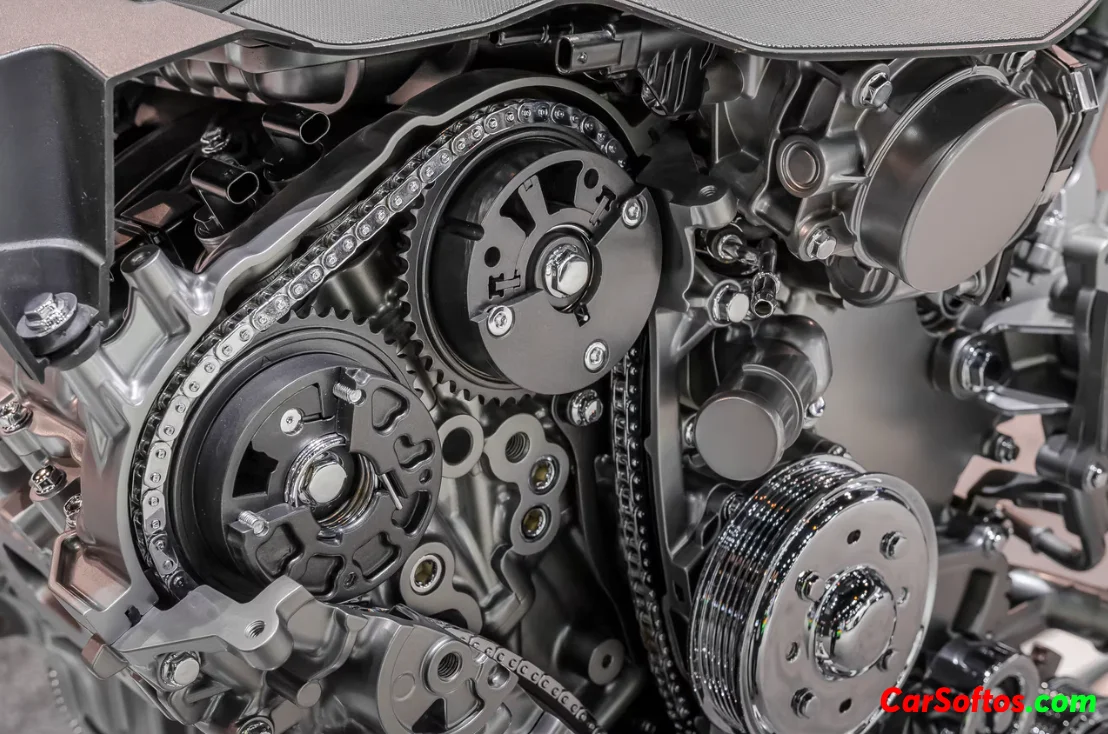
Very similar to P0016 but often linked to exhaust cam timing.
Expensive because:
-
labor-heavy repair
-
requires opening timing cover
-
precise alignment needed
💰 Cost: $900 – $3000
3️⃣ P0420 – Catalyst System Efficiency Below Threshold
One of the most searched codes online.
Why repairs cost so much:
-
catalytic converters contain precious metals
-
emissions regulations require quality parts
💰 Replacement cost:
-
aftermarket: $800 – $1500
-
OEM: $1500 – $4000
4️⃣ P0300 – Random Engine Misfire
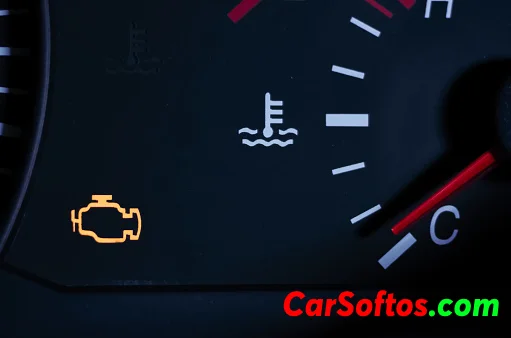
The code itself may be cheap to fix…
…but ignoring it can destroy the catalytic converter.
Common hidden cost:
➡️ misfire + catalyst replacement
💰 Possible total: $1500 – $5000
5️⃣ P0299 – Turbocharger Underboost
Turbo-related codes often become expensive quickly.
Common causes:
-
worn turbo
-
boost leaks
-
actuator failure
💰 Turbo replacement:
$1000 – $3000+
6️⃣ P2195 – O2 Sensor Stuck Lean
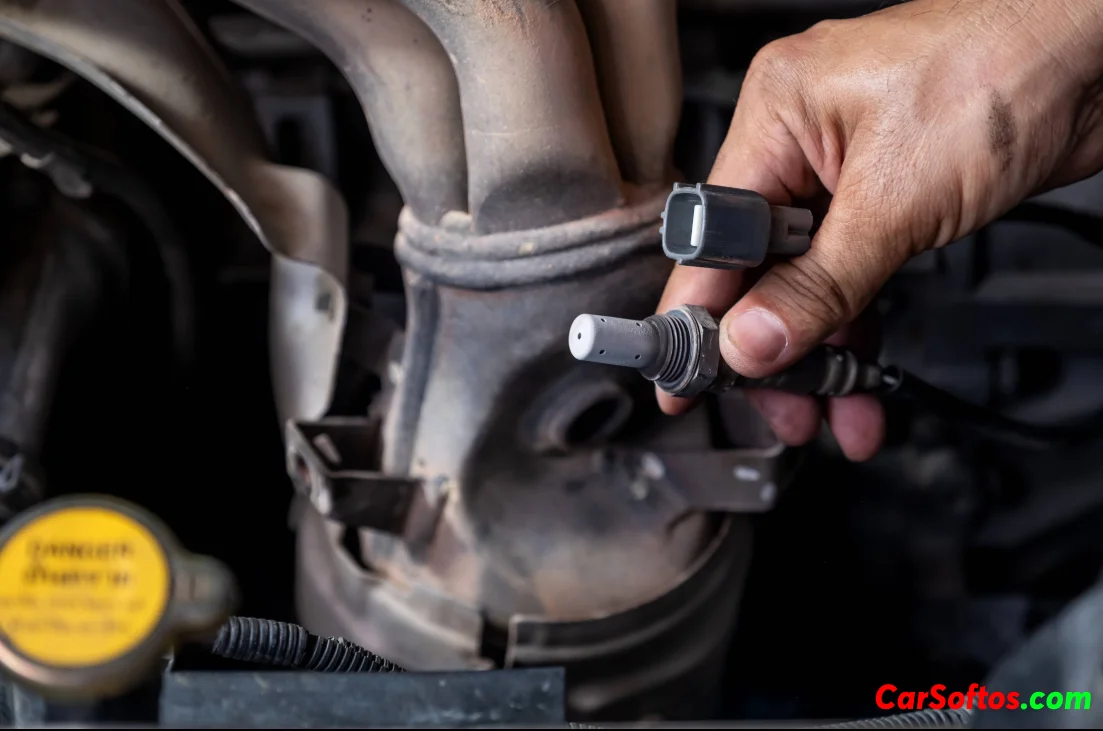
Looks simple — but often hides bigger problems.
Possible causes:
-
vacuum leaks
-
fuel pressure issues
-
airflow problems
If misdiagnosed, owners replace many parts unnecessarily.
💰 Potential repair range: $200 – $1500
7️⃣ P0171 – System Too Lean
Usually starts as a small problem.
But long-term lean conditions can cause:
-
overheating
-
valve damage
-
misfires
💰 Repair cost: $200 – $2000 (depending on cause)
8️⃣ P0172 – System Too Rich
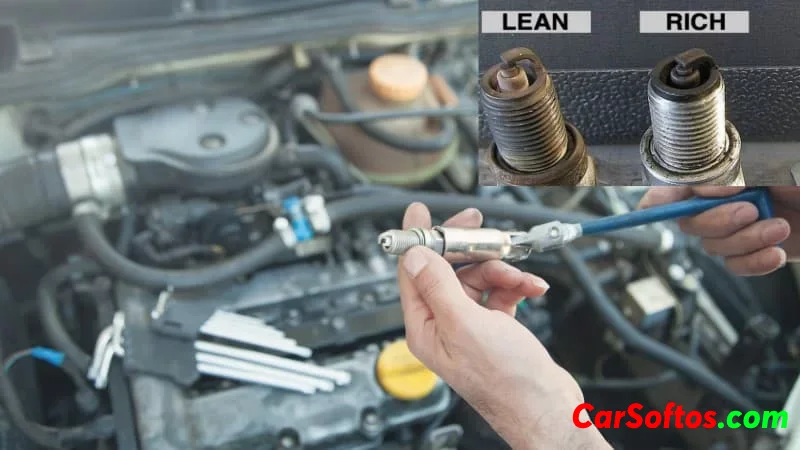
Running rich can destroy:
-
catalytic converter
-
spark plugs
-
oxygen sensors
💰 Repairs range:
$150 – $2500
9️⃣ P0128 – Thermostat Performance (If Ignored)
Normally cheap…
BUT if ignored long-term:
-
carbon buildup
-
increased wear
-
cooling system damage
💰 Worst case repairs: up to $1000+
🔟 P0455 – EVAP Large Leak (Hidden Cost Trap)
Usually cheap…
But sometimes caused by:
-
damaged charcoal canister
-
fuel tank issues
These repairs can become expensive.
💰 Cost range: $50 – $800
Quick Cost Comparison
| Code | Typical Cost | Risk Level |
|---|---|---|
| P0016 | $800–2500+ | HIGH |
| P0017 | $900–3000 | HIGH |
| P0420 | $800–4000 | HIGH |
| P0300 | $150–5000 | HIGH |
| P0299 | $500–3000 | HIGH |
| P2195 | $200–1500 | MEDIUM |
| P0171 | $150–2000 | MEDIUM |
| P0172 | $150–2500 | MEDIUM |
| P0128 | $150–1000 | LOW–MEDIUM |
| P0455 | $50–800 | LOW |
Why Repairs Become So Expensive
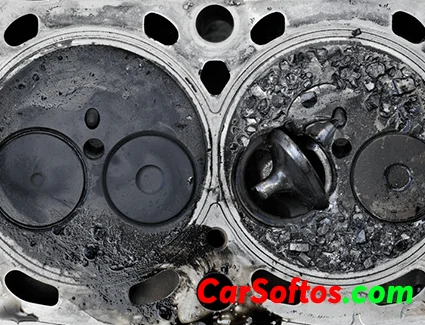
Most expensive repairs happen because drivers ignore early warnings.
Example:
-
small misfire → catalytic converter failure
-
timing noise → engine damage
-
lean condition → burned valves
Early diagnosis = huge savings.
How Drivers Can Avoid Huge Repair Bills
Best advice:
✔ scan codes early
✔ fix small problems fast
✔ avoid aggressive driving with warning lights
✔ follow maintenance intervals
Many expensive repairs start as cheap fixes.
FAQ
What is the most expensive OBD2 code?
Timing correlation codes (P0016/P0017) and catalytic converter codes (P0420).
Can expensive codes be ignored?
No — they often lead to larger failures.
Are expensive codes always serious?
Usually yes, especially timing and misfire codes.
Final Thoughts
Some OBD2 codes are cheap — but others can lead to extremely expensive repairs if ignored.
Knowing which codes are high-risk helps drivers act early and avoid major engine damage.
Early diagnosis is always cheaper than late repair.

Tags:
Users of Guests are not allowed to comment this publication.