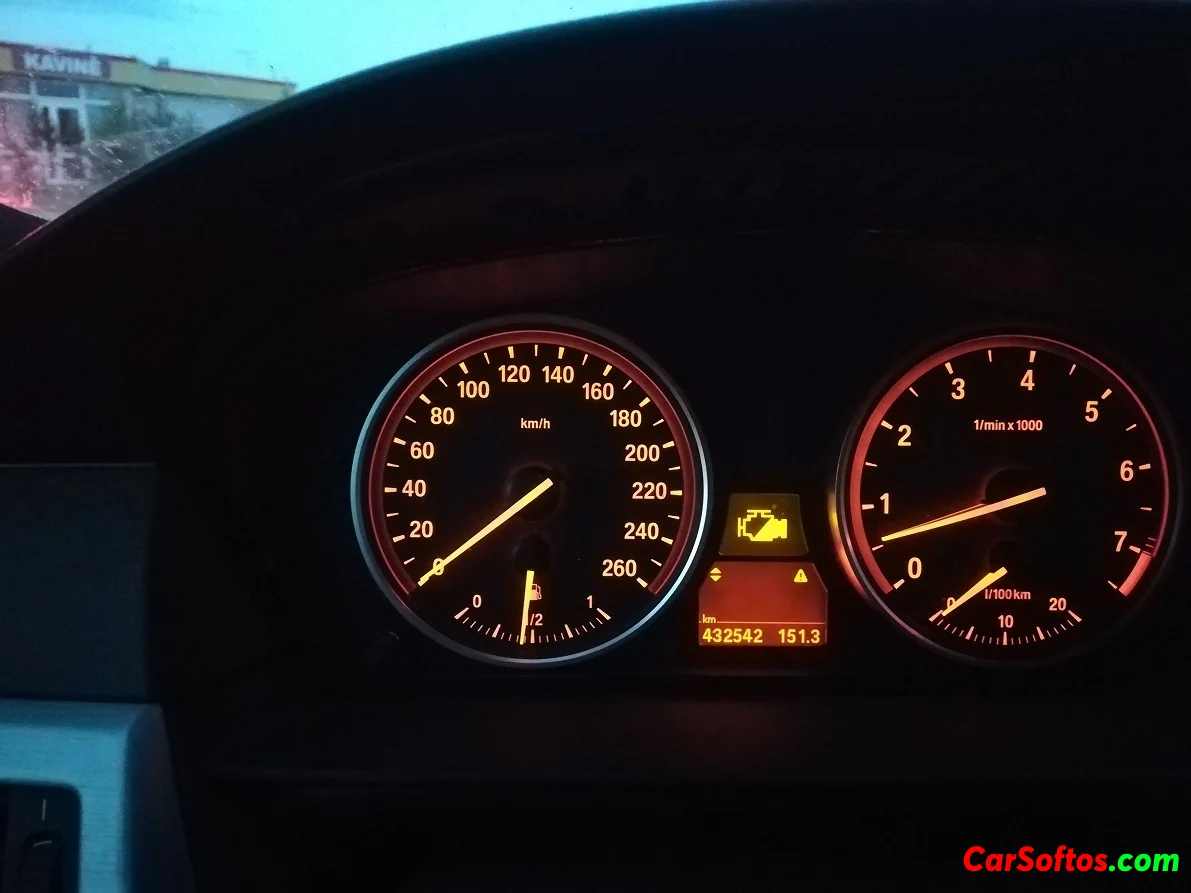
The BMW fault code 29F2 indicates a problem with the high-pressure fuel system, specifically that the fuel pressure in the rail is not reaching or maintaining the required level.

| Rate the site |
The BMW fault code 29F2 indicates a problem with the high-pressure fuel system, specifically that the fuel pressure in the rail is not reaching or maintaining the required level.

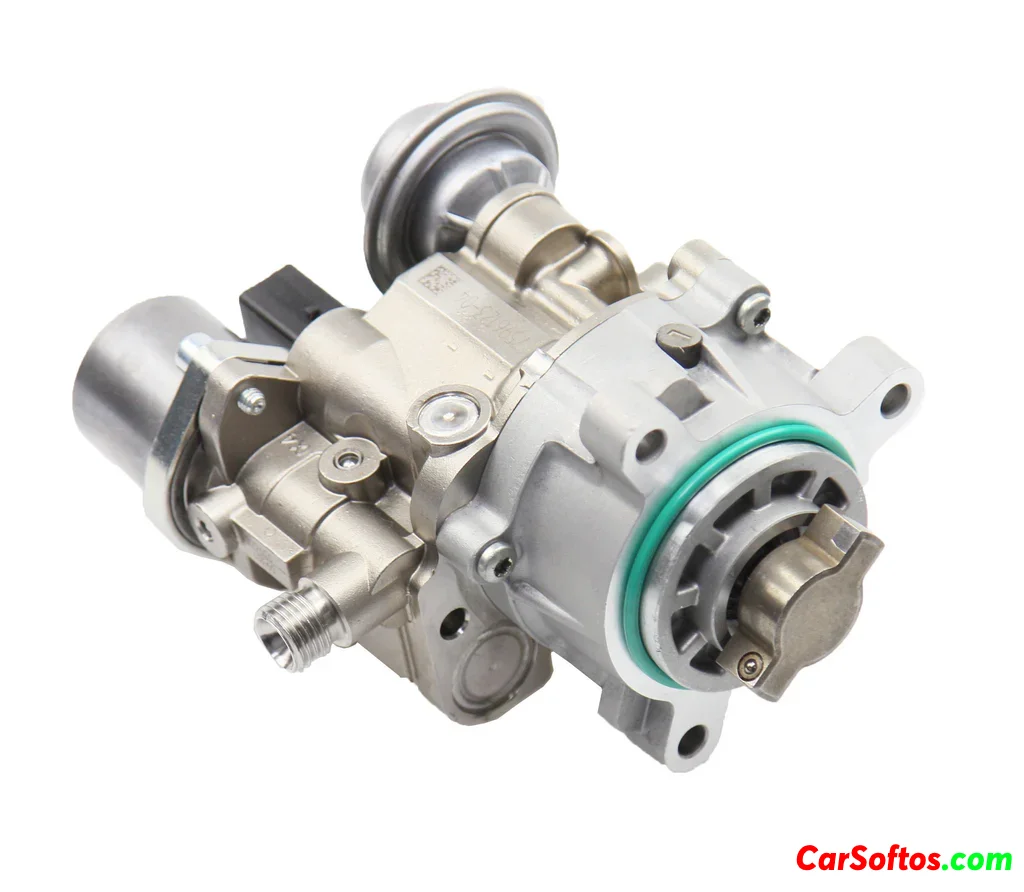
The 2AAF fault is one of the most discussed BMW fuel-system codes, especially on turbo engines such as the N54 and early N55. In practice, it points to a fuel delivery plausibility problem rather than naming one failed part with certainty. That is why this code often sends owners in the wrong direction toward an immediate HPFP replacement, even though the real cause can also be the low-pressure fuel pump (LPFP), a low-pressure sensor, wiring, or a broader fueling imbalance. BMW-focused sources and technician discussions consistently tie 2AAF to the relationship between requested and actual fuel supply rather than to a single guaranteed component failure.
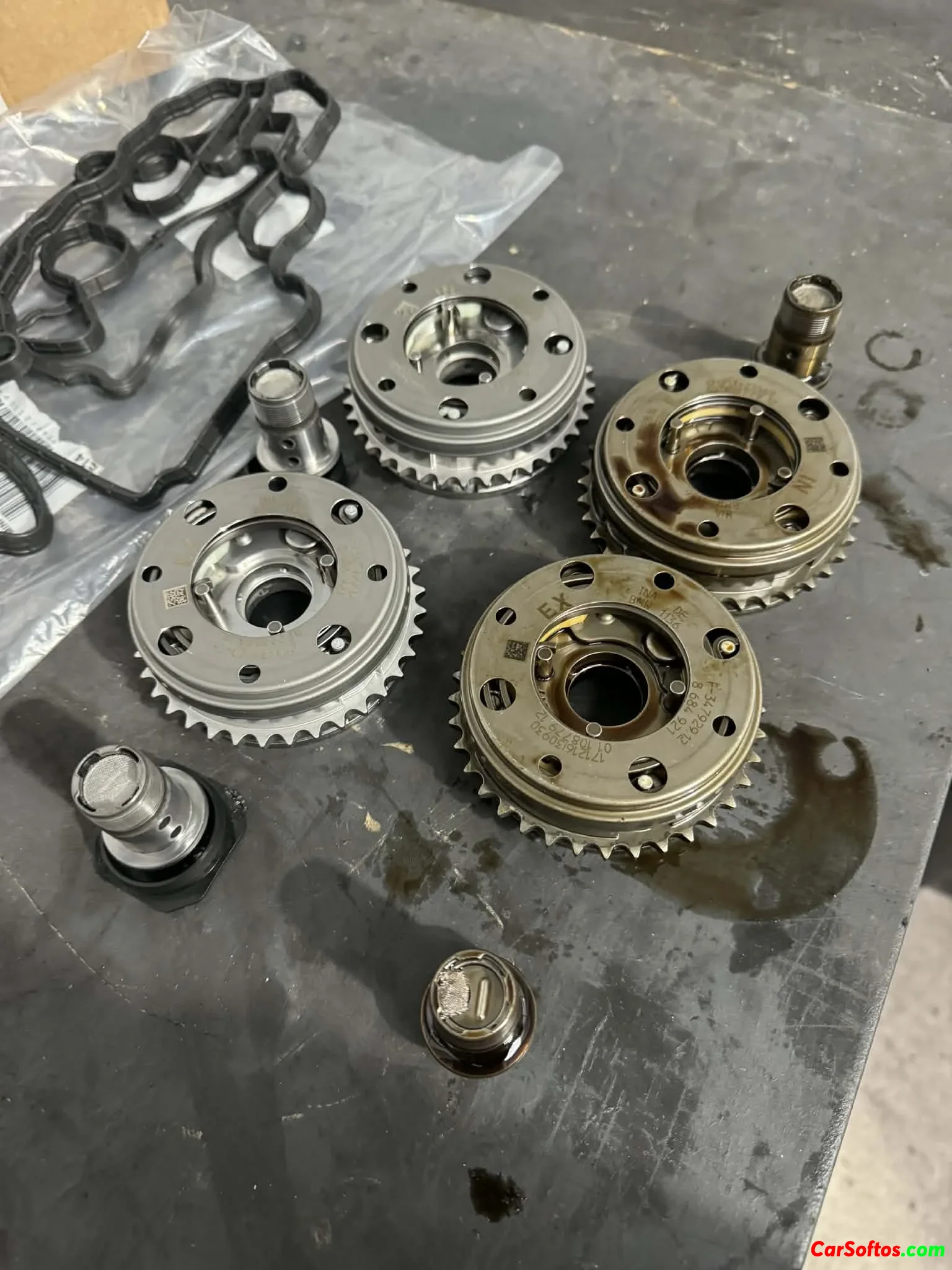
BMW engines use a technology called VANOS, which is their version of variable valve timing (VVT). The system dynamically changes the timing of the camshafts to improve power, efficiency, and emissions.
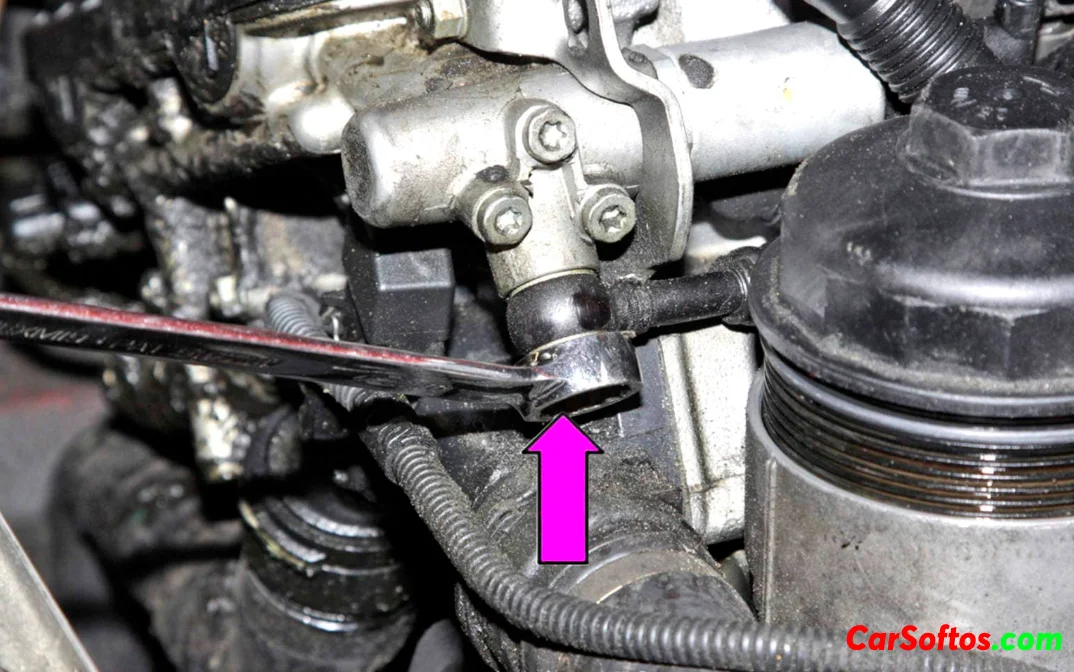
The BMW fault code 2A82 indicates a problem with the VANOS intake solenoid, which controls the intake camshaft timing in BMW engines.

The BMW error code 2A87 indicates a problem with the VANOS exhaust solenoid, which is part of BMW’s variable valve timing system.
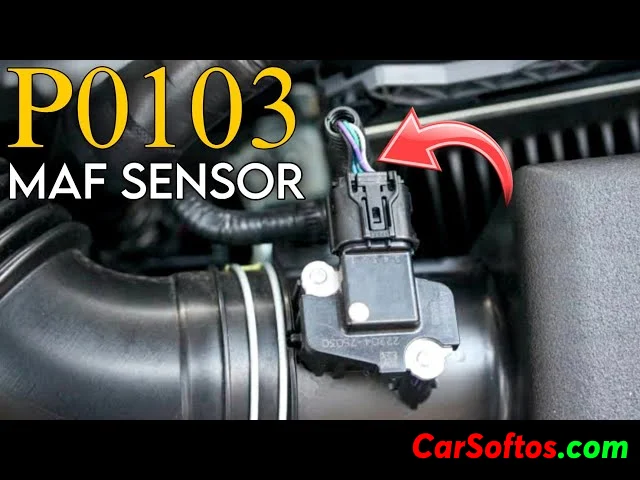
The P0103 trouble code indicates that the Mass Air Flow (MAF) sensor is sending a higher-than-expected voltage signal to the engine control module (ECM).
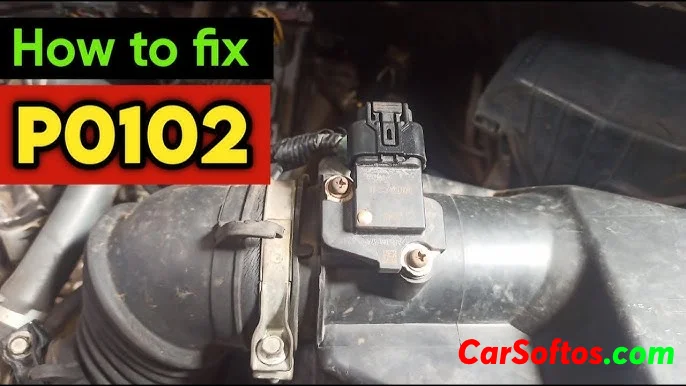
The P0102 trouble code indicates that the Mass Air Flow (MAF) sensor is sending a lower-than-expected signal voltage to the engine control module (ECM).
The MAF sensor measures the amount of air entering the engine. The ECM uses this information to calculate the correct fuel injection amount.
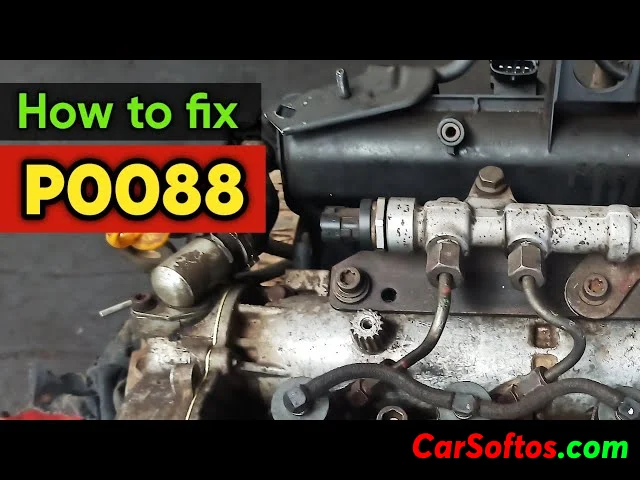
The P0088 trouble code indicates that the fuel pressure in the fuel rail is higher than the engine control module (ECM) expects.
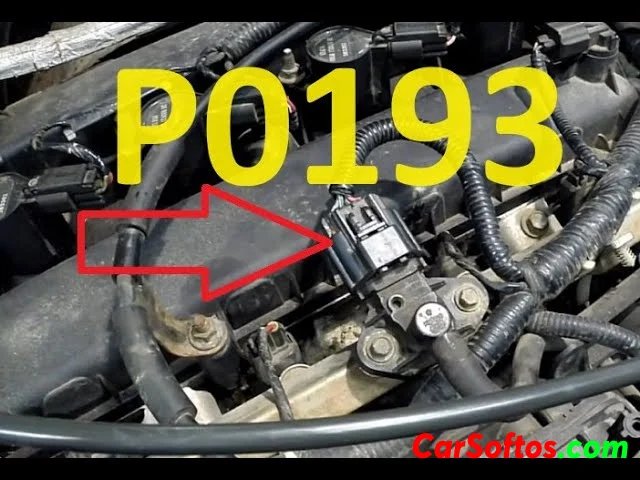
The P0193 trouble code indicates that the Fuel Rail Pressure Sensor (FRP) is sending a higher-than-expected voltage signal to the engine control module (ECM).
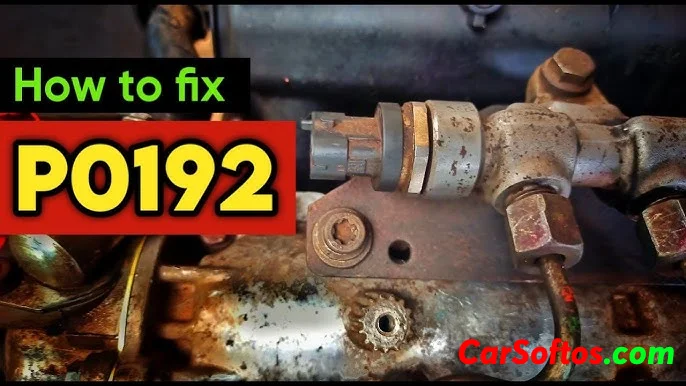
The P0192 trouble code indicates that the Fuel Rail Pressure Sensor (FRP) is sending a lower-than-expected voltage signal to the engine control module (ECM).