
Navigation
Top News
Statistics
Advertisement
Аrchives
Votes
| Rate the site |
OBD2 Codes Explained – Beginner Guide (What Every Driver Should Know)
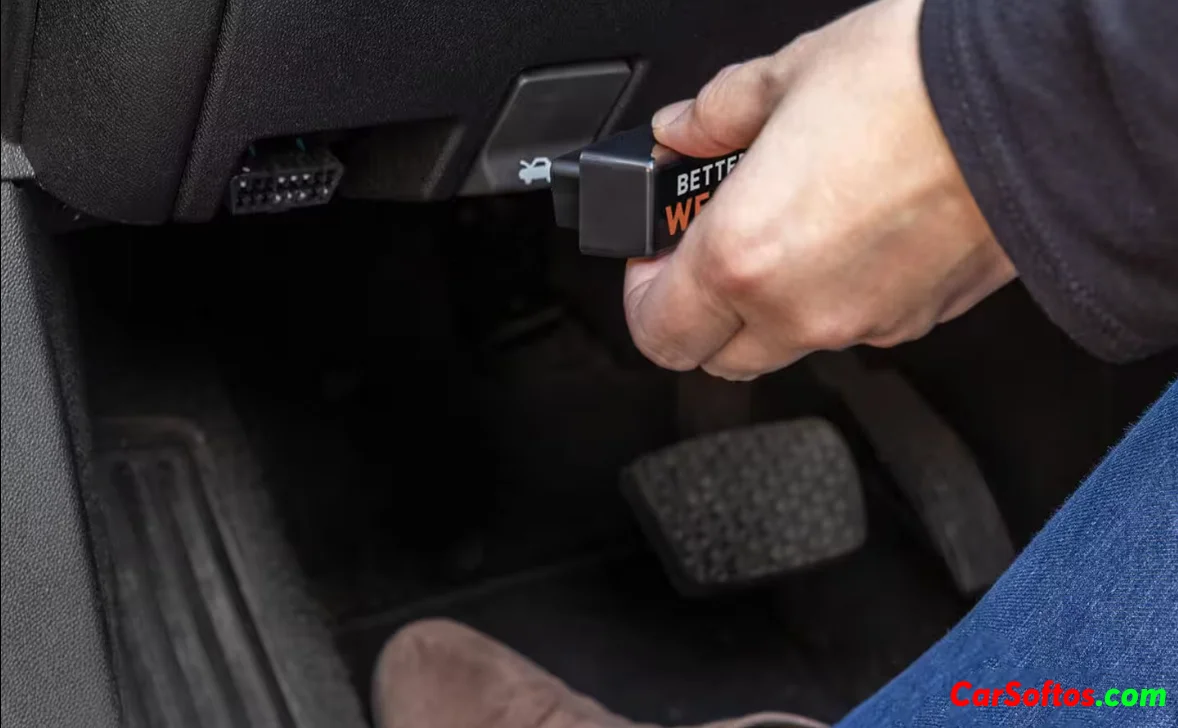
OBD2 codes (On-Board Diagnostics II) are diagnostic trouble codes stored by your car’s computer when it detects a problem.
Every modern vehicle monitors engine performance using sensors.
If something works outside normal limits, the system stores an error code and turns on the Check Engine Light.
These codes help mechanics quickly identify problems before serious damage happens.
Why Cars Use OBD2 Systems
Modern vehicles use OBD2 for:
-
monitoring emissions
-
improving fuel efficiency
-
preventing engine damage
-
helping with faster diagnostics
Instead of guessing, mechanics can read codes and see exactly what system triggered the warning.
How OBD2 Codes Look
OBD2 codes always start with a letter followed by numbers:
Example:
P0300
P0171
P0420
Each part has meaning.
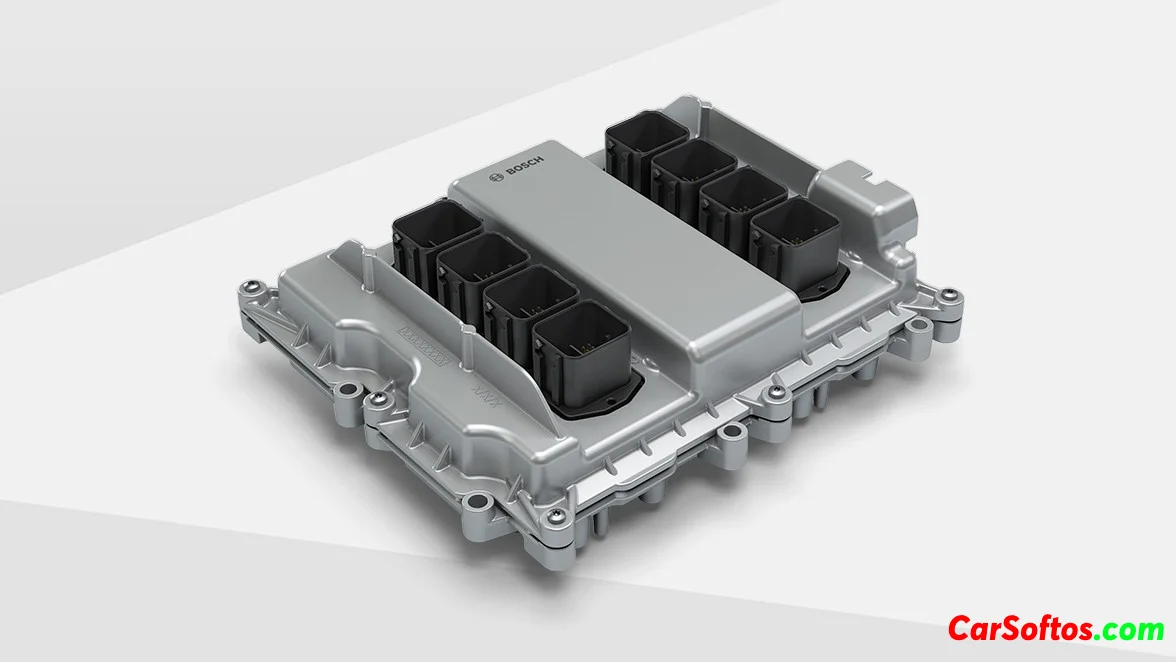
What The Letters Mean
| Letter | System |
|---|---|
| P | Powertrain (engine & transmission) |
| B | Body (airbags, interior) |
| C | Chassis (ABS, steering) |
| U | Network / communication |
Most check engine issues are P-codes.
What The Numbers Mean
Example: P0171
-
First digit → generic or manufacturer-specific
-
Second digit → system type
-
Last two digits → exact problem
This structure allows mechanics worldwide to understand codes quickly.
Most Common OBD2 Codes Drivers See
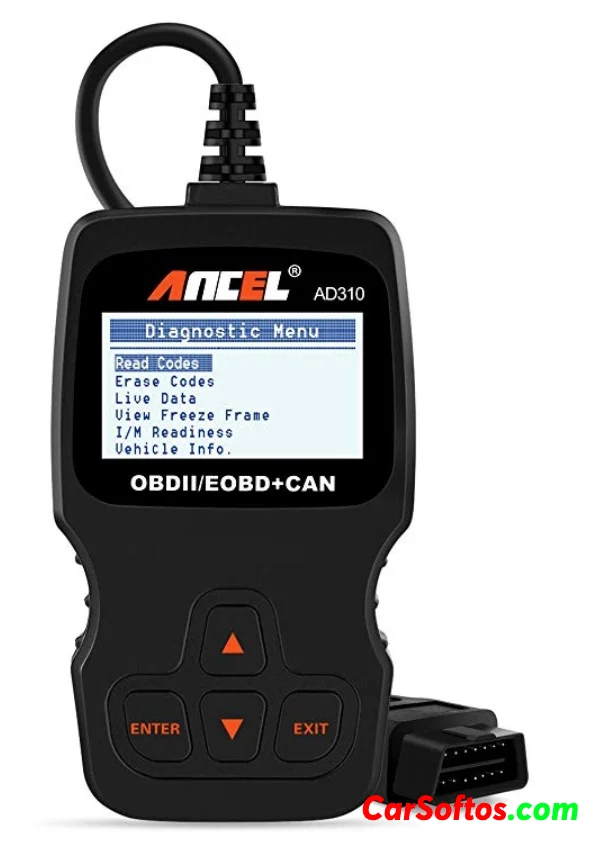
Some codes appear far more often than others:
-
P0300 → Random engine misfire
-
P0171 → System too lean
-
P0172 → System too rich
-
P0420 → Catalytic converter efficiency
-
P0128 → Thermostat performance
-
P0455 → EVAP system leak
-
P0101 → MAF sensor problem
These make up a large percentage of check engine warnings.
What Happens When The Check Engine Light Turns On
There are two main types:
🟡 Solid Light
Usually non-critical.
Car often drives normally but needs diagnosis.
🔴 Flashing Light
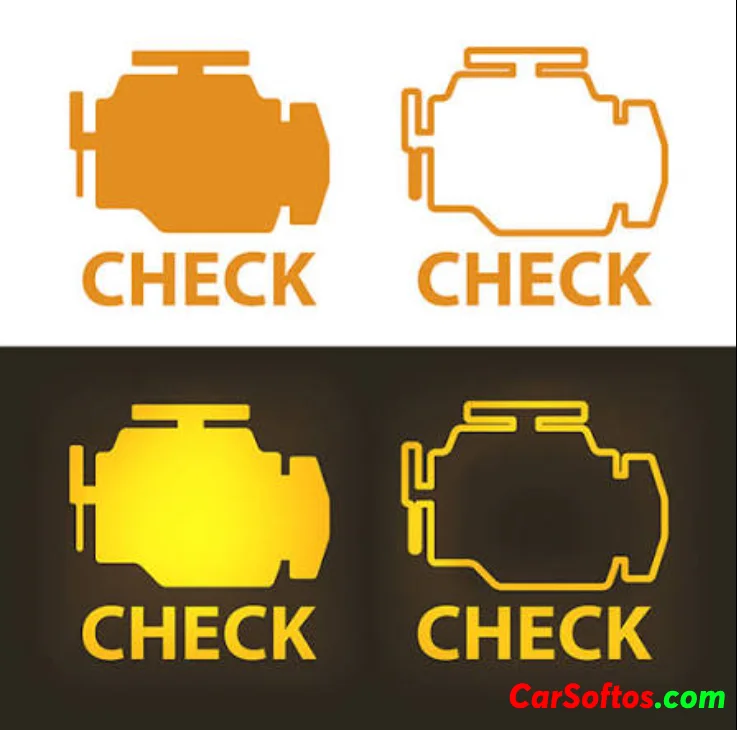
Serious warning.
Often means:
-
active engine misfire
-
risk of catalytic converter damage
Driving should be avoided.
Can You Drive With OBD2 Codes?
Depends on the code.
Usually safe short-term:
-
EVAP leaks
-
thermostat issues
-
minor sensor errors
Potentially dangerous:
-
misfires (P0300 series)
-
timing codes (P0016, P0017)
-
turbo issues (P0299)
If engine shakes or power drops — stop driving.
How Mechanics Actually Diagnose Codes
Professional diagnostics includes:
-
live data analysis
-
fuel trim readings
-
sensor voltage checks
-
smoke tests for leaks
-
mechanical inspection
Important:
⚠ The code points to a system — not always the failed part.
Common Mistake Drivers Make
Many people:
❌ replace parts immediately after reading a code.
Example:
-
P0171 → replacing O2 sensor without checking vacuum leaks.
Correct approach:
➡ Diagnose first, replace later.
Should You Buy an OBD2 Scanner?
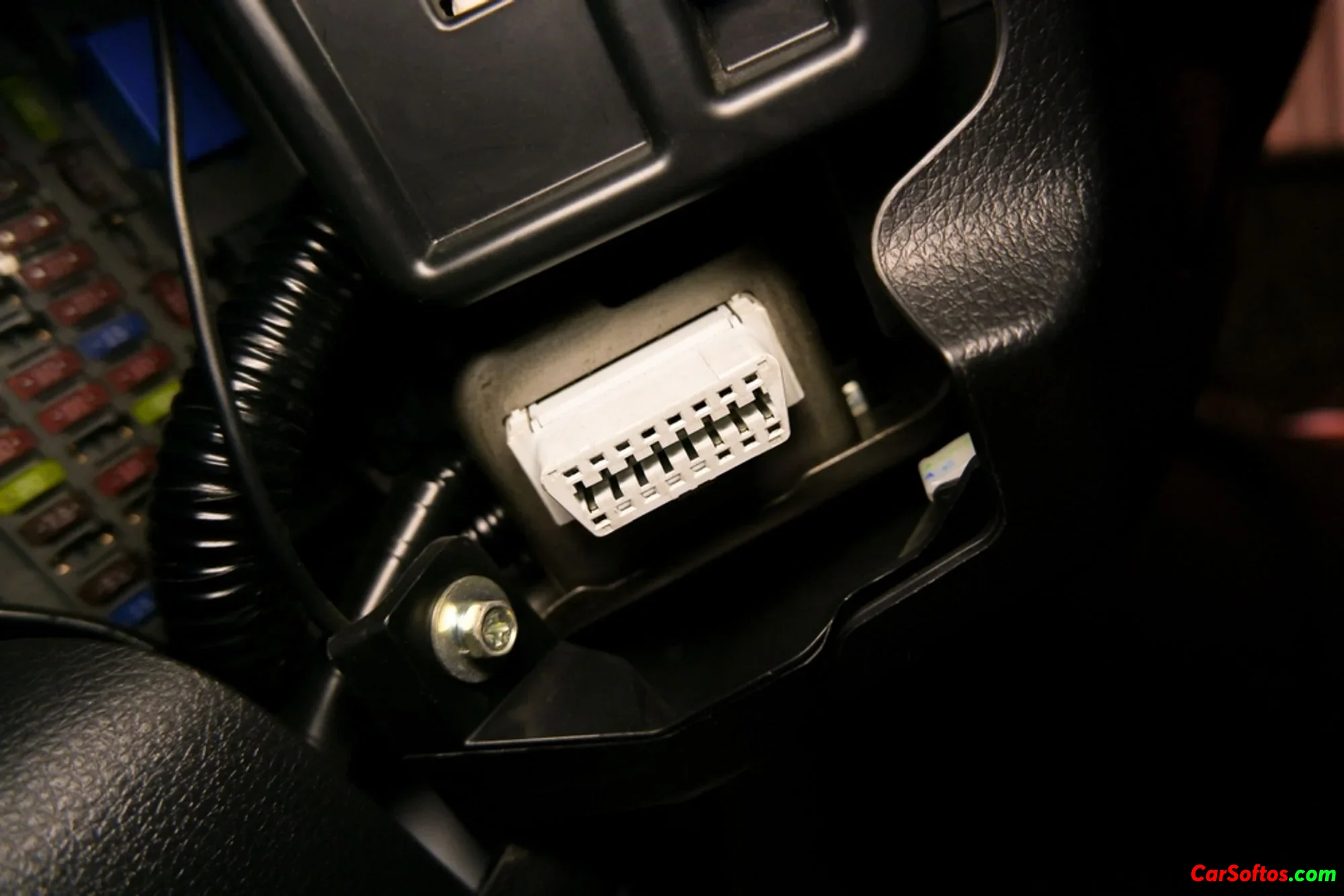
Yes — even basic scanners help drivers:
-
read codes instantly
-
avoid unnecessary mechanic visits
-
understand problems early
Many affordable scanners work with most vehicles.
How OBD2 Helps You Save Money
Early diagnostics can prevent:
-
catalytic converter failure
-
engine damage
-
turbo failure
Small issues often become expensive only when ignored.
Quick Beginner FAQ
What is an OBD2 code?
A diagnostic error code stored by your car’s computer.
Does every code mean something is broken?
Not always — some indicate sensor or temporary issues.
Can codes clear themselves?
Sometimes, but the cause may remain.
Is OBD2 the same for all cars?
Most cars after 1996 use the same basic system.
Final Thoughts
OBD2 codes are your car’s way of communicating problems early.
Understanding what they mean helps drivers:
-
avoid expensive repairs
-
make smarter decisions
-
maintain vehicle reliability
Learning the basics of OBD2 is one of the easiest ways to become a smarter car owner.

Tags:
Users of Guests are not allowed to comment this publication.