
Navigation
Top News
Statistics
Advertisement
Аrchives
Votes
| Rate the site |
Can a Weak Battery Cause a Check Engine Light? Here’s What Mechanics Say
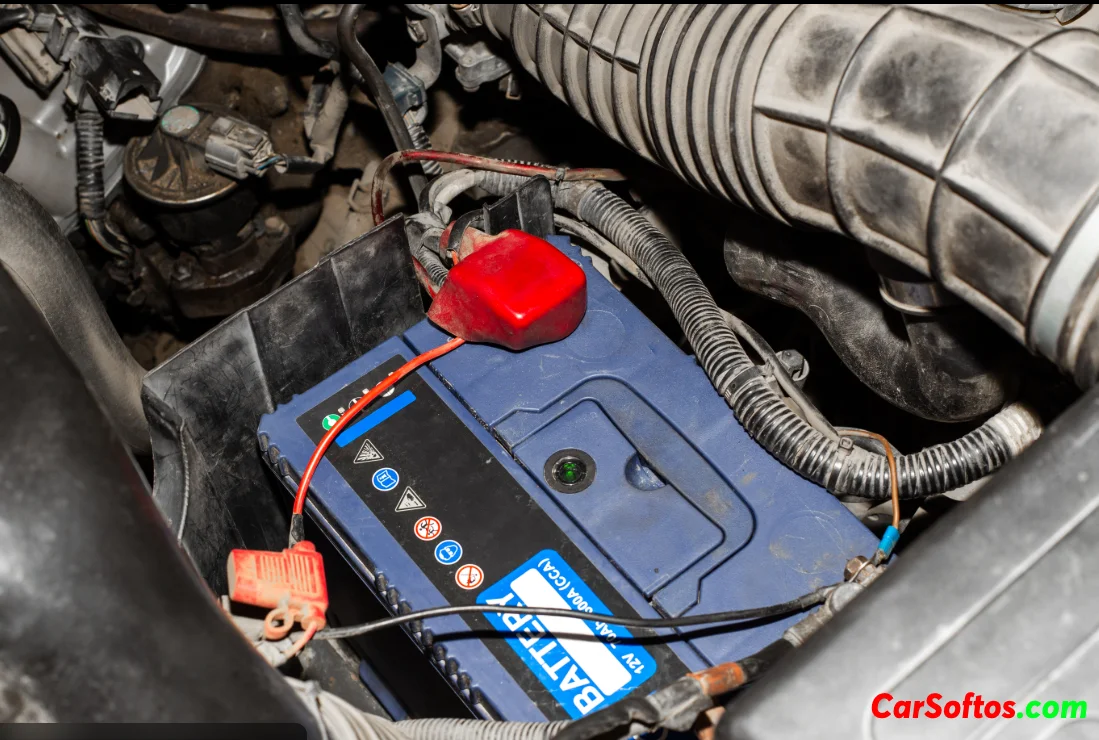
Many drivers don’t connect battery health with engine warning lights.
After all, the battery just starts the car… right?
Not exactly.
Modern vehicles rely heavily on stable voltage for sensors, control modules, and engine management systems.
A weak or failing battery can absolutely trigger a Check Engine Light.
How a Weak Battery Affects the Engine Computer
The engine control module (ECM) depends on consistent voltage.
If voltage drops too low:
-
sensors send unstable signals
-
modules reset unexpectedly
-
communication errors occur
-
fuel trim readings fluctuate
Even small voltage instability can confuse modern systems.
Common Codes Triggered by Low Voltage
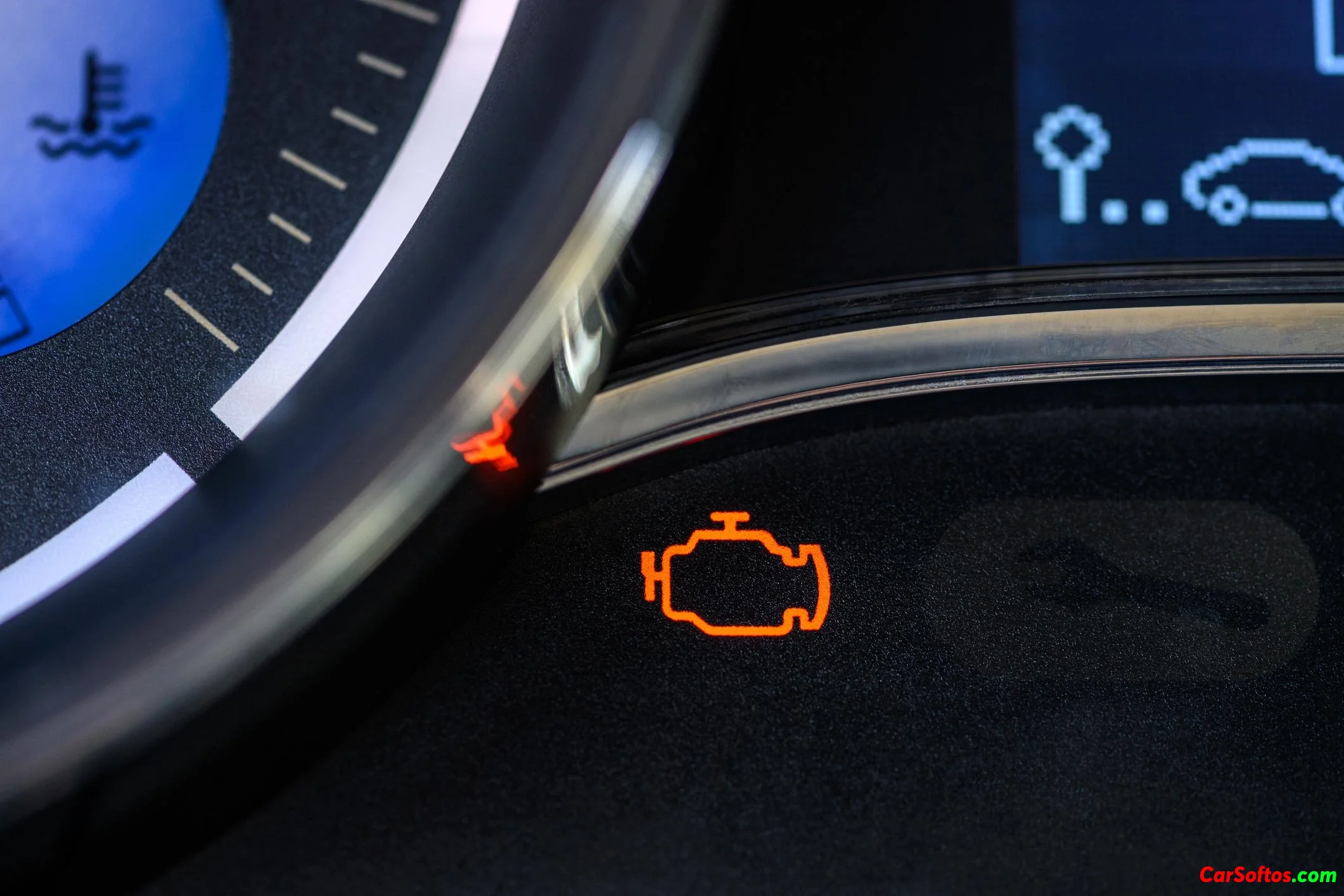
Mechanics frequently see:
-
P0560 – System Voltage Malfunction
-
U0100 – Lost Communication With ECM
-
sensor performance codes
-
random misfire codes (P0300 series)
In many cases, replacing the battery resolves the issue.
Why This Happens More in Cold Weather
Cold temperatures reduce battery capacity.
During winter:
-
voltage drops faster
-
cold starts require more power
-
alternator works harder
This explains why warning lights often appear during colder months.
Symptoms of a Weak Battery
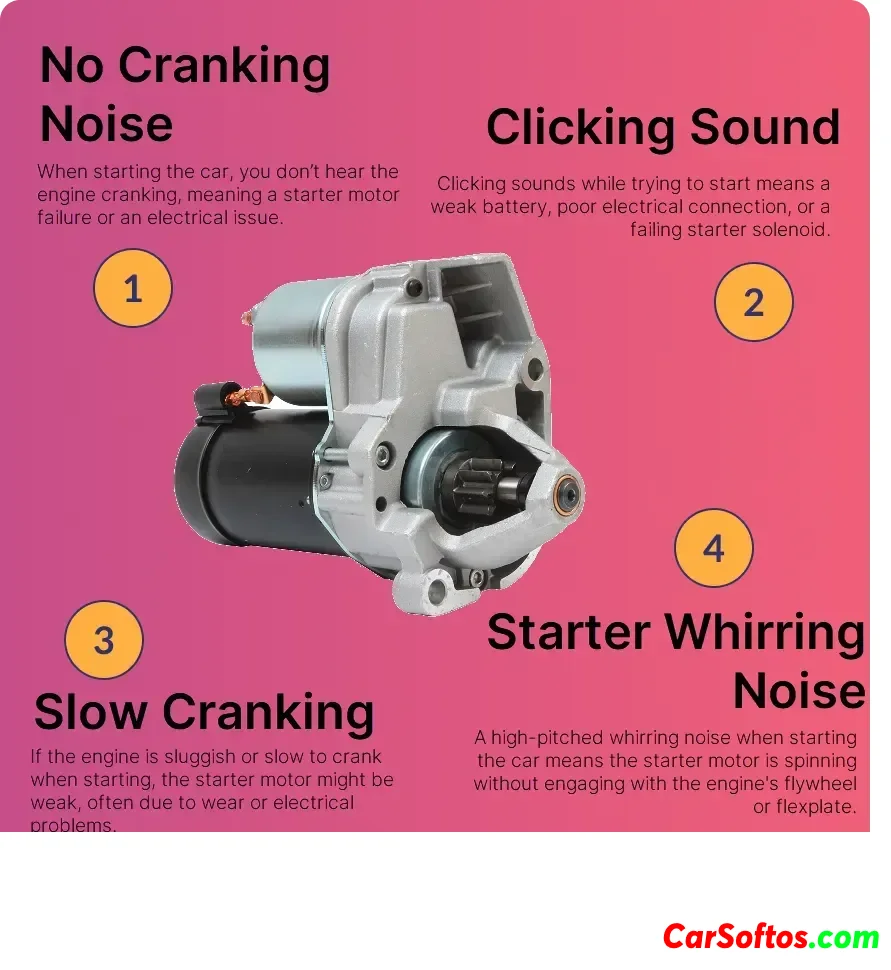
Signs include:
-
slow engine crank
-
dim headlights
-
electrical glitches
-
dashboard warnings appearing randomly
Sometimes the check engine light appears without noticeable driving problems.
Can Low Voltage Cause False Codes?
Yes.
Low voltage may temporarily trigger:
-
oxygen sensor errors
-
MAF sensor performance codes
-
throttle body errors
-
transmission communication codes
These may disappear once battery voltage stabilizes.
How to Confirm the Battery Is the Cause
1️⃣ Test battery voltage (should be ~12.6V when off).
2️⃣ Check alternator output (13.5–14.5V while running).
3️⃣ Inspect battery age (most last 3–5 years).
4️⃣ Clear codes after replacement and monitor.
Many auto parts stores offer free battery testing.
Is It Safe to Drive?
✔ If the car runs normally, short trips are usually safe.
❌ If the engine struggles to start or electrical systems fail, replace the battery immediately.
Driving with unstable voltage may affect other components.
Why Modern Cars Are More Sensitive
Older vehicles were less dependent on electronics.
Today’s cars use:
-
dozens of sensors
-
multiple control modules
-
precise voltage monitoring
Small electrical instability now triggers warning lights much faster.
FAQ
Can a bad battery really cause a check engine light?
Yes — unstable voltage can trigger sensor and communication codes.
Will the light turn off after replacing the battery?
Often yes, but codes may need clearing.
How old is too old for a battery?
Most batteries should be replaced after 3–5 years.
Can a weak battery cause misfires?
Yes — ignition systems depend on stable voltage.
Final Thoughts
A weak battery can absolutely trigger a Check Engine Light.
Modern vehicles depend on stable electrical systems — and even small voltage drops can confuse engine computers.
Before replacing expensive parts:
➡️ test the battery
➡️ check charging system
➡️ clear codes and monitor
Sometimes the simplest fix solves the warning.

Tags:
Users of Guests are not allowed to comment this publication.