
Navigation
Top News
Statistics
Advertisement
Аrchives
Votes
| Rate the site |
Can a Bad Alternator Trigger a Check Engine Light? (What You Should Know)
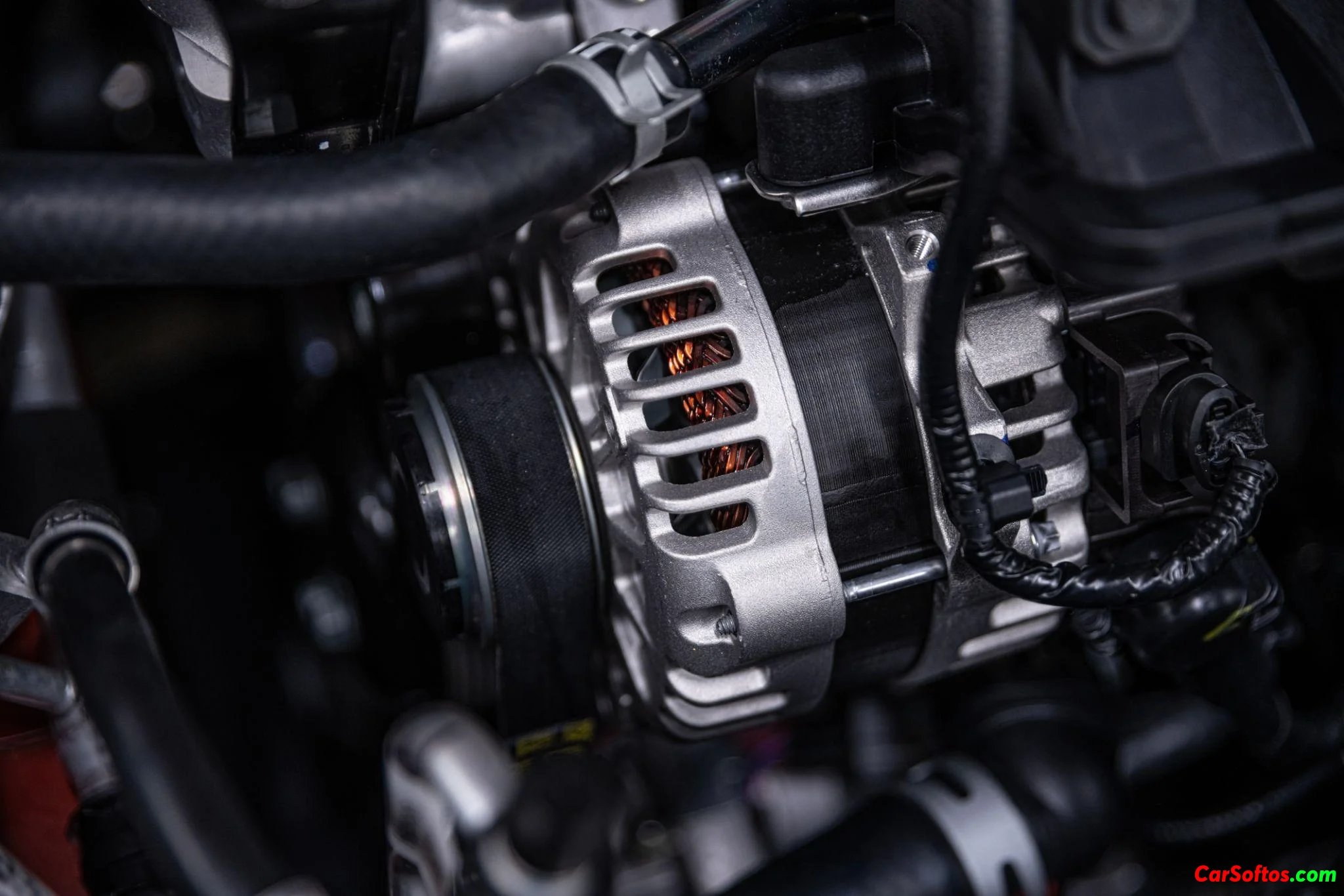
When a Check Engine Light appears, most drivers think about sensors or engine problems.
But the alternator — the component responsible for charging the battery — can also trigger warning lights.
Modern vehicles depend on stable electrical voltage.
If the alternator fails or produces unstable output, the engine computer may detect irregularities and store error codes.
How the Alternator Affects the Engine Computer
The alternator supplies power to:
-
engine control module (ECM)
-
fuel injectors
-
ignition coils
-
oxygen sensors
-
transmission control module
If voltage becomes unstable:
-
sensors may send incorrect data
-
modules may lose communication
-
engine performance may suffer
This can trigger the Check Engine Light.
Common Codes Linked to Alternator Problems
Mechanics often see:
-
P0560 – System Voltage Malfunction
-
P0562 – Low System Voltage
-
communication codes (U-codes)
-
random sensor performance codes
In some cases, misfire codes (P0300 series) may also appear due to weak ignition voltage.
Signs of a Failing Alternator

Symptoms may include:
-
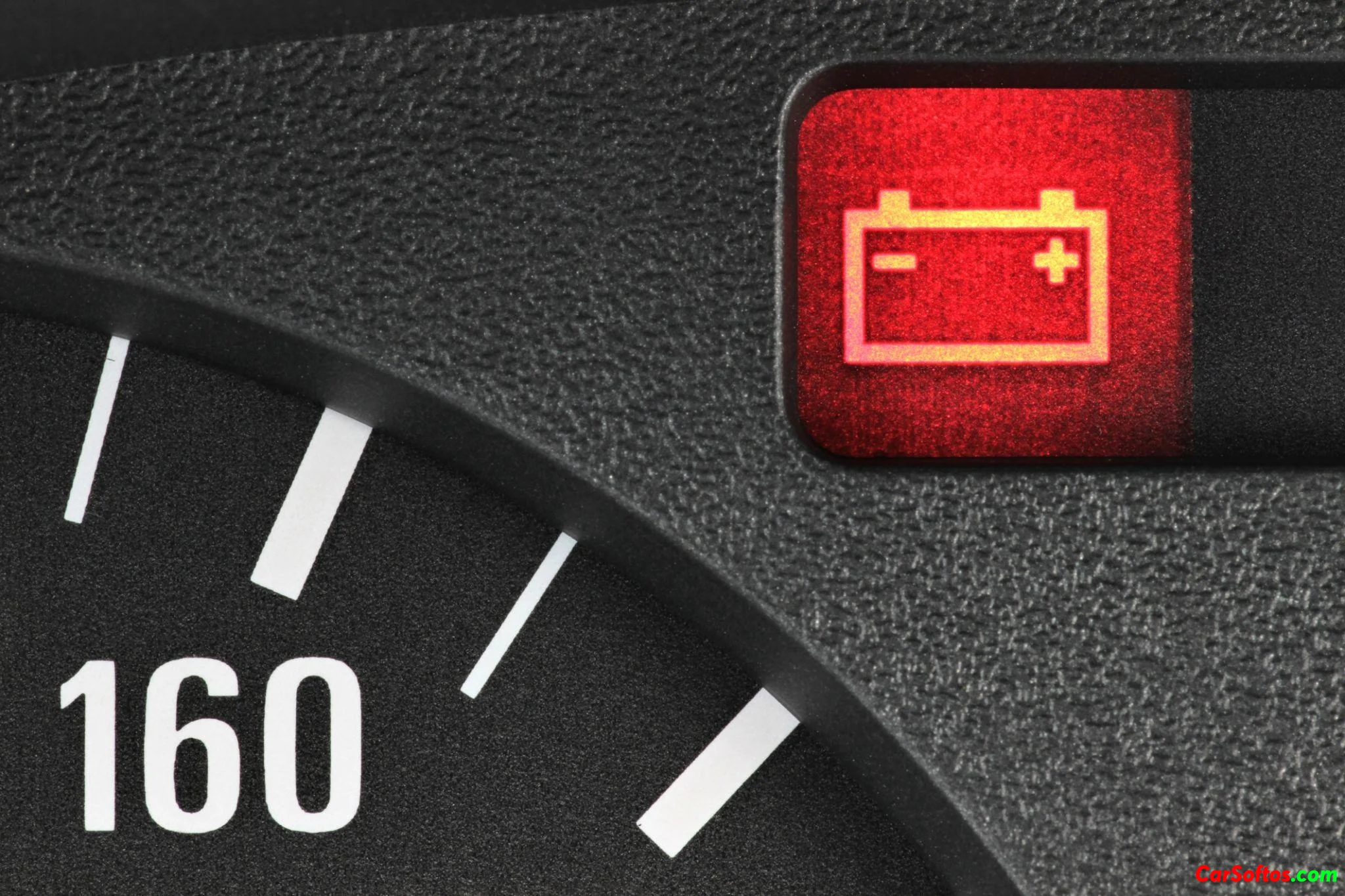
battery warning light
-
dim headlights
-
flickering dashboard lights
-
electrical glitches
-
engine stalling
-
difficulty starting
Sometimes the Check Engine Light appears before obvious electrical failure.
Can a Bad Alternator Cause False Engine Codes?
Yes.
Low or fluctuating voltage may trigger:
-
oxygen sensor codes
-
MAF sensor errors
-
throttle body issues
-
transmission communication errors
Once voltage stabilizes, some of these codes may disappear.
How to Test the Alternator
1️⃣ Measure battery voltage with engine off (~12.6V).
2️⃣ Start engine — voltage should rise to 13.5–14.5V.
3️⃣ If voltage stays low or fluctuates, alternator may be failing.
4️⃣ Have charging system professionally tested.
Many auto parts stores offer free alternator testing.
Is It Safe to Drive With a Bad Alternator?
❌ Not for long.
If the alternator fails completely:
-
battery drains
-
engine may stall
-
vehicle may shut off while driving
This can be dangerous.
Why Modern Vehicles Are More Sensitive
Today’s vehicles use:
-
dozens of electronic modules
-
advanced fuel injection
-
digital throttle control
-
complex emissions monitoring
Even small voltage instability can trigger warning lights.
Older cars were less sensitive.
Alternator vs Battery – What’s the Difference?
| Component | Role |
|---|---|
| Battery | Starts engine and stores power |
| Alternator | Recharges battery and powers vehicle while running |
A weak battery can trigger codes — but so can a failing alternator.
FAQ
Can a bad alternator cause a check engine light?
Yes — unstable voltage can trigger multiple error codes.
Will replacing the alternator fix the light?
If voltage instability caused the issue, yes.
Can a bad alternator cause misfires?
Yes — ignition systems depend on stable voltage.
How long can I drive with a failing alternator?
Only until the battery drains — which may happen quickly.
Final Thoughts
A bad alternator can absolutely trigger a Check Engine Light.
Modern vehicles require stable electrical systems, and voltage irregularities can confuse sensors and control modules.
Before replacing expensive engine parts:
➡️ test the charging system
➡️ check battery health
➡️ verify voltage stability
Sometimes the problem is electrical — not mechanical.

Tags:
Users of Guests are not allowed to comment this publication.