
Navigation
Top News
Statistics
Advertisement
Аrchives
Votes
| Rate the site |
Can a Failing Fuel Pump Trigger a Check Engine Light? (Symptoms, Codes & Costs Explained)
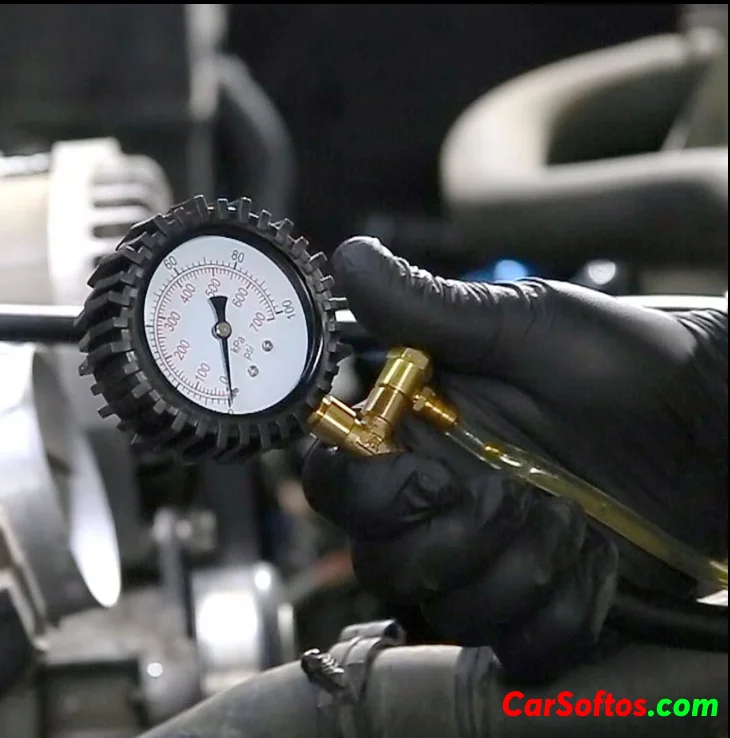
A failing fuel pump can absolutely trigger a Check Engine Light.
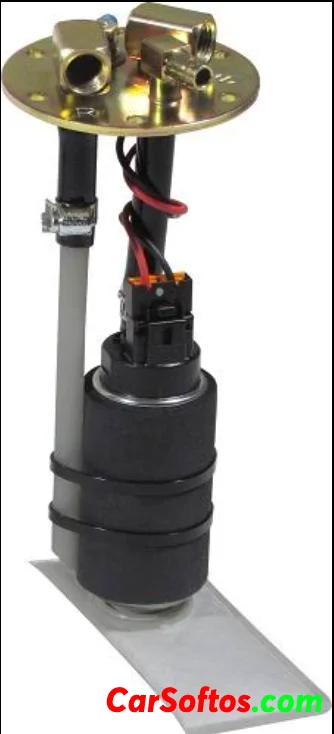
The fuel pump is responsible for delivering pressurized fuel from the tank to the engine.
If pressure drops or becomes unstable, the engine may not receive the correct fuel amount.
Modern vehicles detect fuel pressure changes very quickly — even before major symptoms appear.
What Does the Fuel Pump Actually Do?
The fuel pump:
-
sends fuel from the tank to the injectors
-
maintains proper fuel pressure
-
ensures stable combustion
If fuel pressure becomes too low, the engine may run lean — or misfire.
Common Codes Caused by a Weak Fuel Pump
Mechanics often see:
⚖ P0171 – System Too Lean
⚖ P0174 – System Too Lean (Bank 2)
🔥 P0300 – Random Misfire
🔧 P0087 – Fuel Rail/System Pressure Too Low
Low pressure prevents proper fuel delivery.
Early Symptoms of a Failing Fuel Pump
Drivers may notice:
-
hesitation during acceleration
-
loss of power under load
-
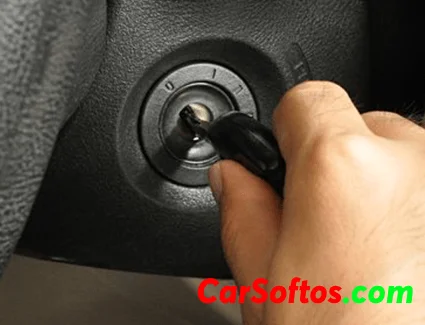
hard starting
-
engine stalling
-
whining noise from fuel tank
In early stages, the vehicle may still run normally at idle.
Why Fuel Pumps Fail
Common causes include:
-
high mileage
-
clogged fuel filter
-
overheating due to low fuel level
-
contaminated fuel
-
electrical wiring problems
Running the tank nearly empty frequently can shorten pump lifespan.
Is It Safe to Drive?
⚠ Short distances — sometimes.
❌ Risky if:
-
engine stalls while driving
-
power drops on highway
-
vehicle hesitates when merging
A failing fuel pump can suddenly stop working.
Repair Costs

Fuel pump replacement is labor-intensive.
Typical costs:
💰 Fuel pump replacement — $500–1500
💰 Luxury vehicles — $1500–3000+
Some vehicles require removing the fuel tank.
How Mechanics Diagnose Fuel Pump Issues
Professionals perform:
-
fuel pressure testing
-
fuel trim analysis
-
load testing under acceleration
-
electrical circuit inspection
Proper testing prevents replacing injectors or sensors unnecessarily.
Can a Weak Fuel Pump Cause Misfires?
Yes.
Low fuel pressure can:
-
create lean conditions
-
cause incomplete combustion
-
trigger misfire codes
-
damage catalytic converter
Many misfire problems are actually fuel pressure related.
FAQ
Can a bad fuel pump cause a check engine light?
Yes — especially lean and fuel pressure codes.
How long does a fuel pump last?
Usually 100,000–150,000 miles.
Can I drive with a failing fuel pump?
Not recommended — sudden stalling can occur.
Is fuel pump replacement expensive?
Yes, due to labor and parts cost.
Final Thoughts
A failing fuel pump can absolutely trigger a Check Engine Light.
Because fuel delivery affects combustion directly, small pressure problems can escalate into serious engine issues.
The safest approach:
➡️ test fuel pressure early
➡️ diagnose properly
➡️ repair before complete failure
Fuel system issues rarely fix themselves — but early detection saves money.

Tags:
Users of Guests are not allowed to comment this publication.