Navigation

Top News

Statistics

Advertisement

Author: carsoftos777 | 21-02-2026, 03:07 | OBD2 Error Codes | Views: 13 | Comments: 0


Many drivers notice something strange:

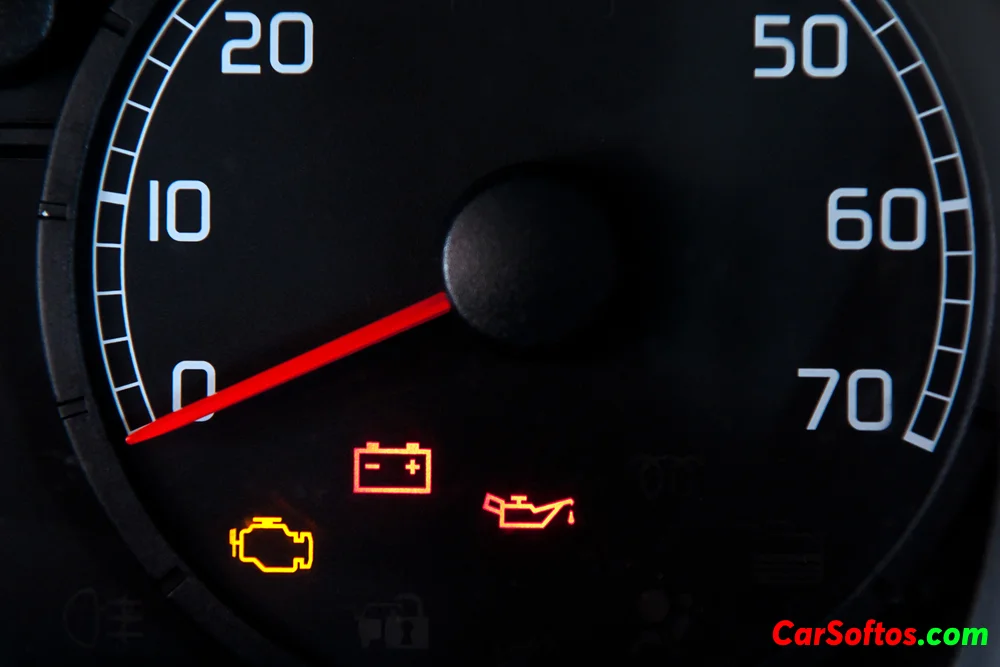
The Check Engine Light turns on…
Then disappears a few days later…
Then comes back again.

Is the problem fixing itself?
Or is something getting worse?

According to mechanics, there are several common reasons why this happens — and most are related to how modern vehicles monitor systems.

  • LIKE
  • 0


Many drivers notice the same pattern:

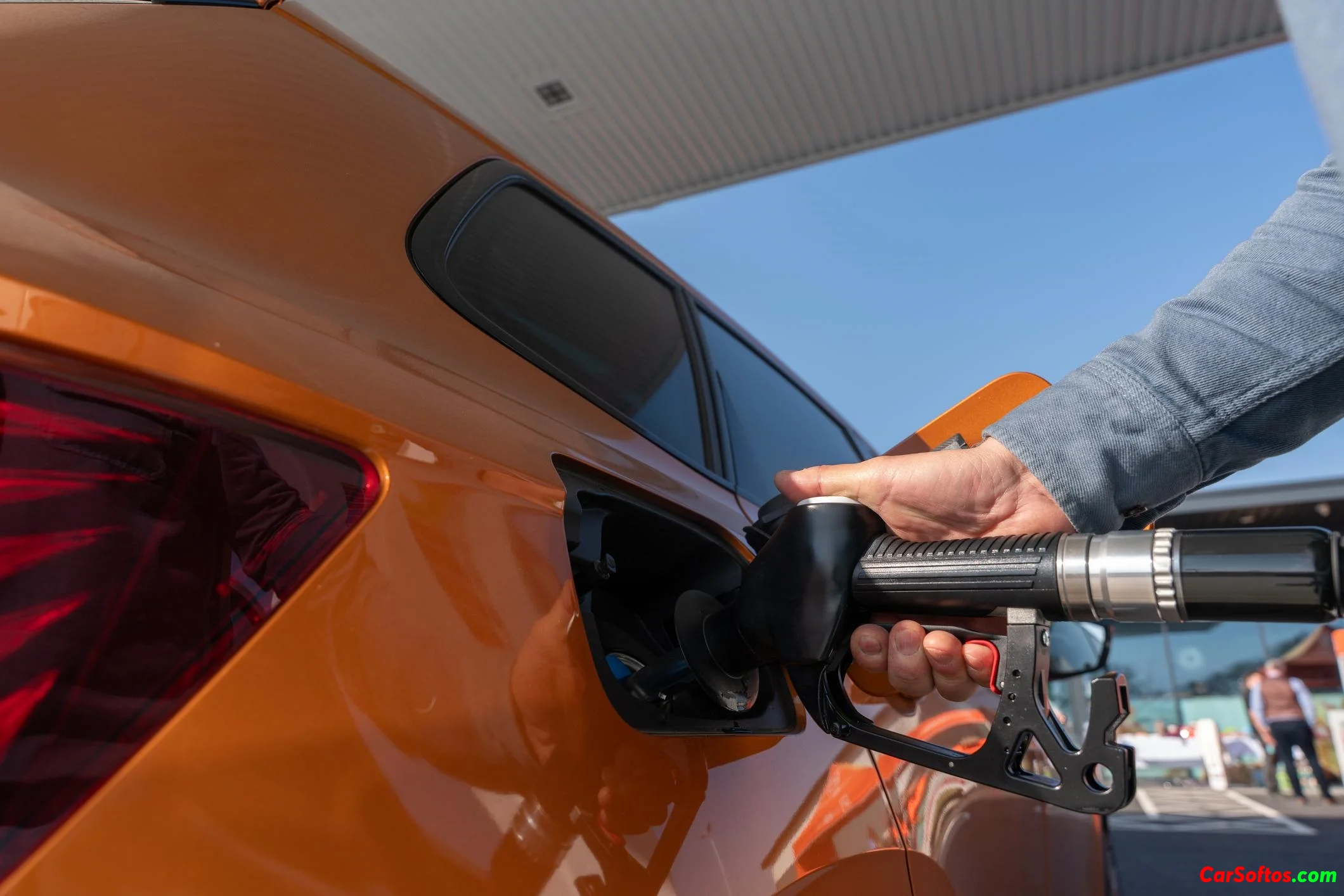
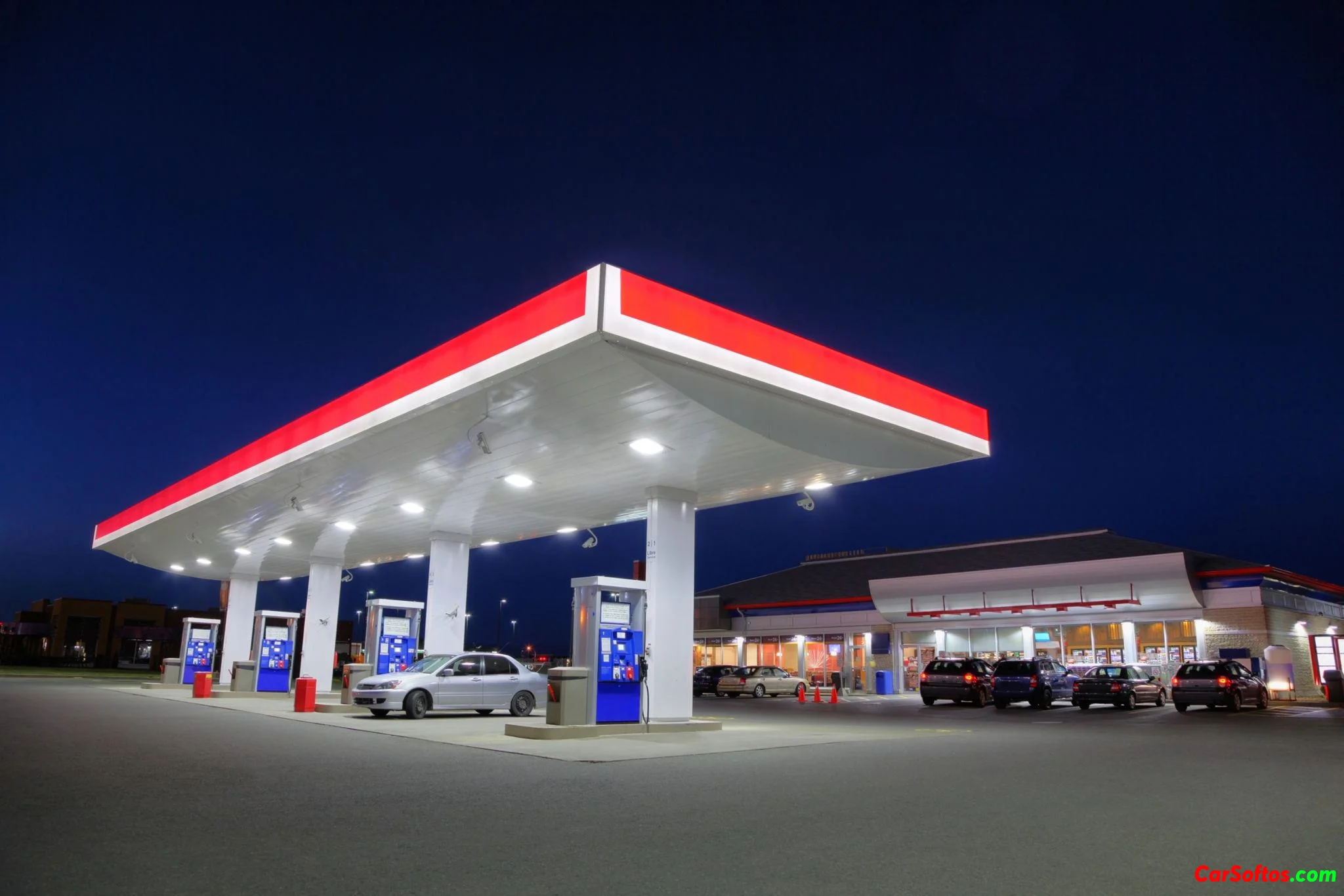
You fill up your gas tank…
Start the car…
And suddenly the Check Engine Light appears.

Is it bad fuel?
Did something break?
Or is it just a coincidence?

According to mechanics, refueling is one of the most common triggers for EVAP-related codes.

  • LIKE
  • 0


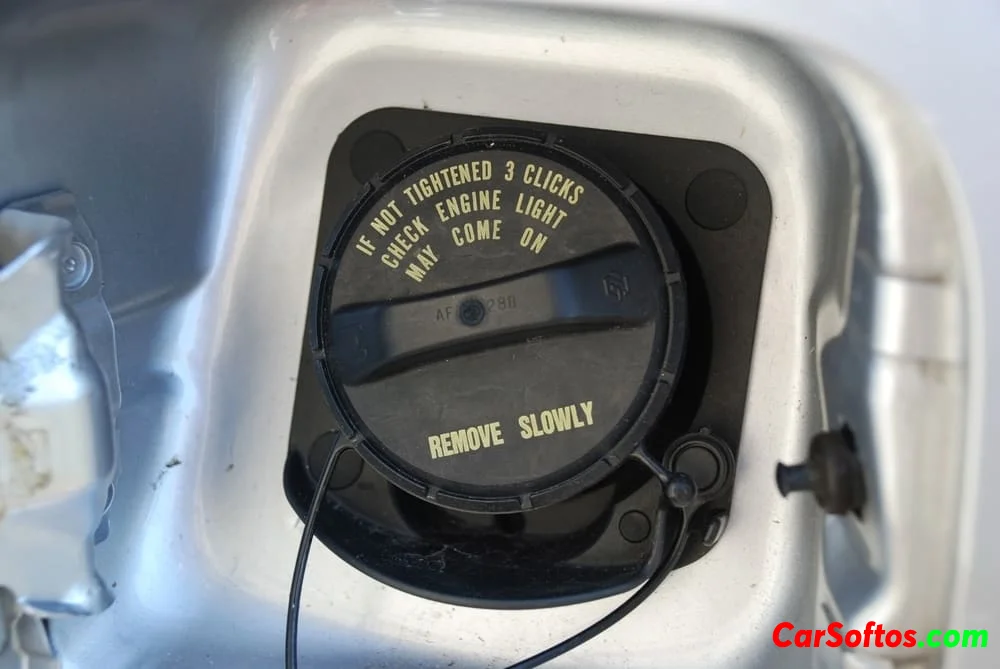
Many drivers are surprised to learn that something as simple as a loose gas cap can turn on the Check Engine Light.

It sounds almost unbelievable — but yes, it absolutely can.

In fact, mechanics say a loose or damaged gas cap is one of the most common causes of check engine warnings.

  • LIKE
  • 0


Many drivers notice this pattern:

It rains heavily…
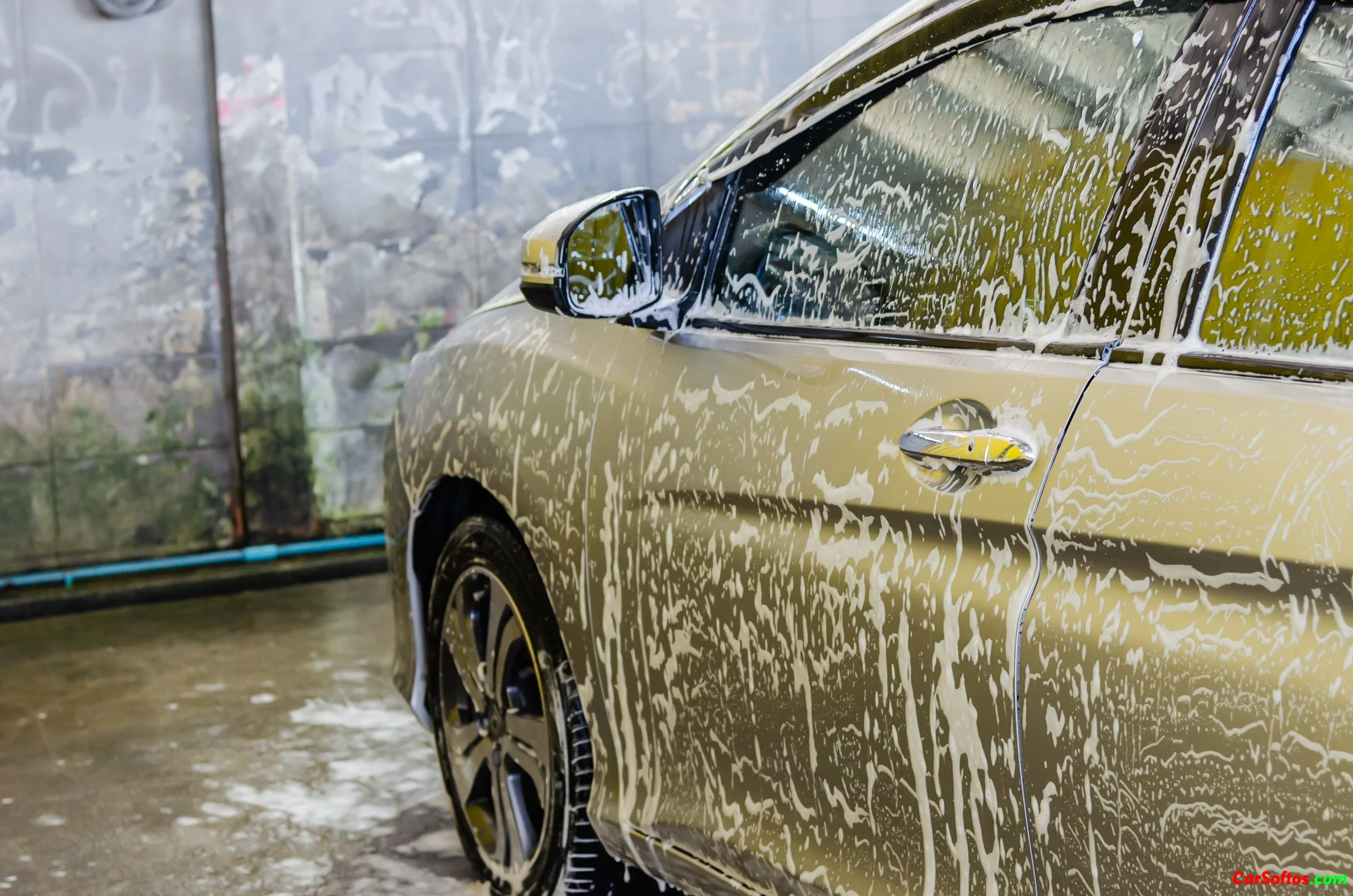
Or they wash the car…
And suddenly the Check Engine Light turns on.

Is water really capable of triggering engine error codes?

According to mechanics — yes, it can.

But usually the problem is not serious engine damage.

  • LIKE
  • 0


Many drivers experience this frustrating scenario:

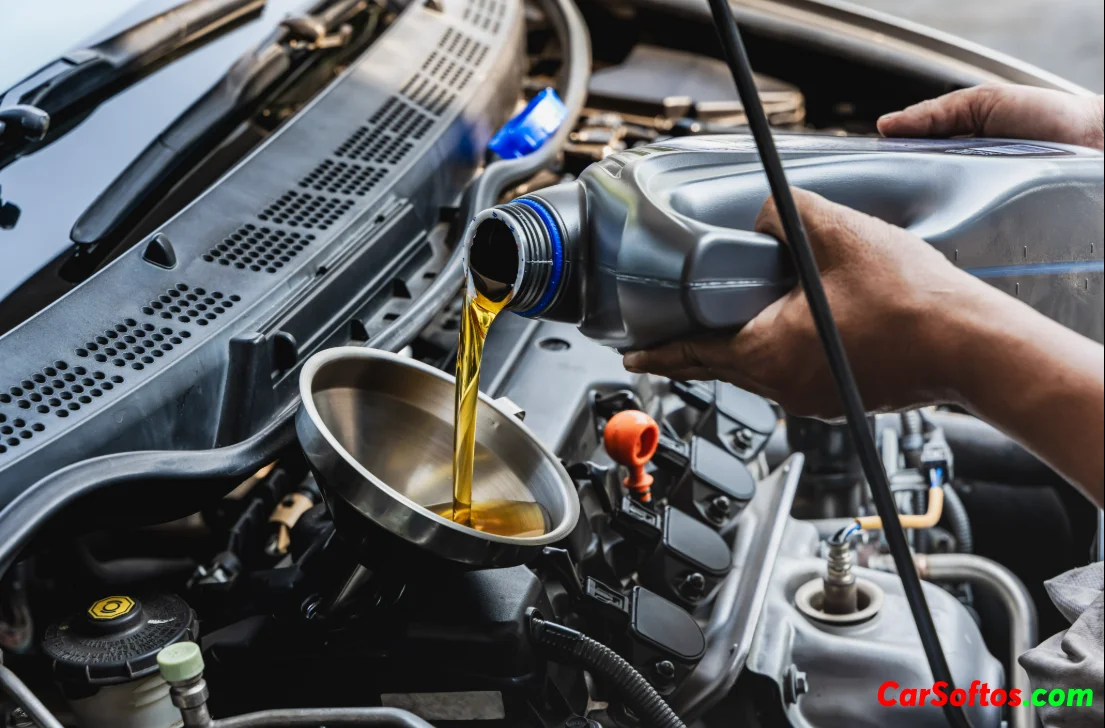
You get an oil change…
Drive away…
And suddenly the Check Engine Light turns on.

Is it a coincidence?
Did the shop make a mistake?
Is something damaged?

According to mechanics, there are several common reasons this can happen — and most are fixable.

  • LIKE
  • 0


When the Check Engine Light turns on shortly after refueling, many drivers immediately assume one thing:

“Bad gas.”

But can poor fuel quality really trigger OBD2 error codes?

According to mechanics, the answer is yes — but not always in the way people think.

  • LIKE
  • 0


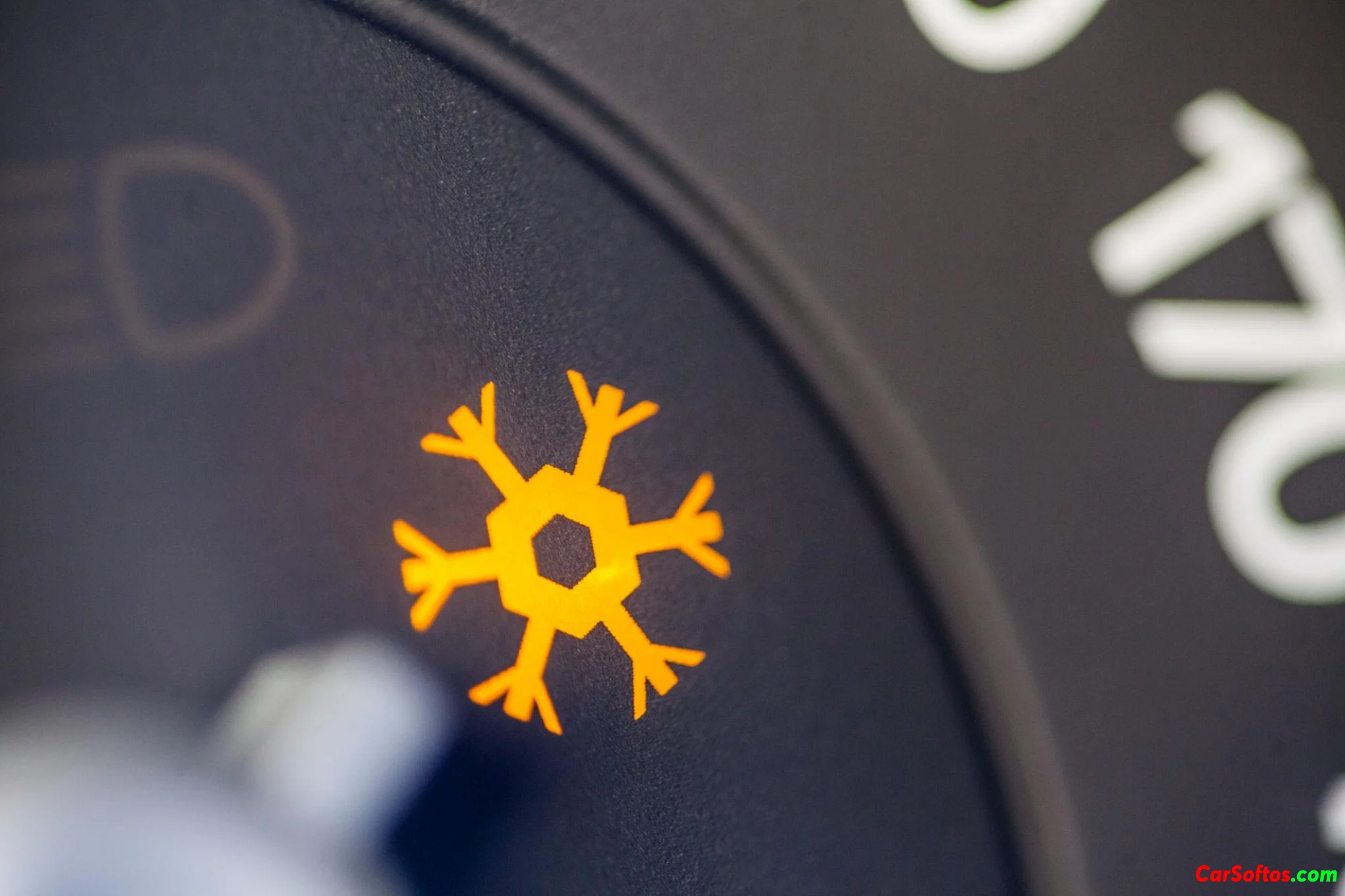
Many drivers report seeing the Check Engine Light more frequently during cold weather.

Auto repair specialists confirm that winter conditions can trigger certain OBD2 codes more often — even when nothing major is wrong.

Cold temperatures affect:

  • sensors

  • battery performance

  • fuel mixture

  • emissions systems

Here’s why winter increases warning lights.

  • LIKE
  • 0


Auto technicians report that many drivers continue driving for weeks — sometimes months — after certain check engine codes appear.

The problem?

Some of these “ignored” codes can slowly lead to expensive damage.

Here are the five codes mechanics say drivers underestimate the most.

  • LIKE
  • 0


Auto repair technicians are reporting an increase in vehicles showing the P0171 trouble code, one of the most common fuel-mixture errors seen today.

The P0171 code indicates that the engine is running too lean, meaning there is too much air and not enough fuel in the combustion mixture.

While many cars continue to drive normally at first, experts warn that ignoring this issue may lead to bigger problems.

  • LIKE
  • 1


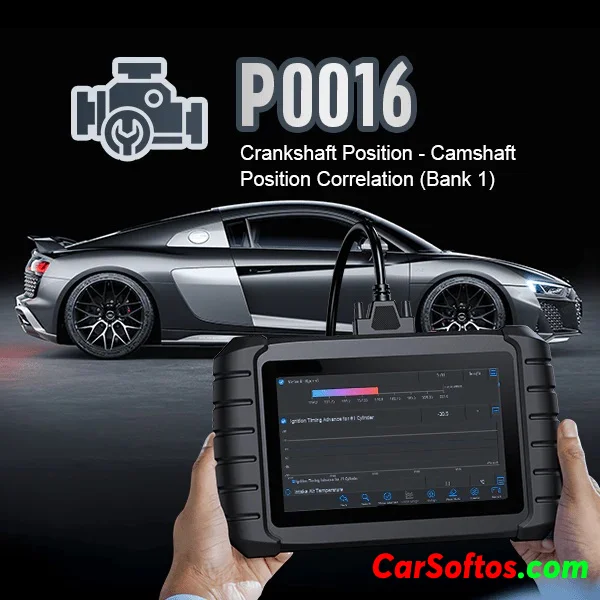
Auto repair shops report that more vehicles are arriving with the P0016 engine code, a timing-related error that many mechanics consider serious.

The P0016 code indicates that the engine computer has detected a timing mismatch between the crankshaft and camshaft.

Experts say this problem is appearing more frequently in modern engines — especially those with variable valve timing (VVT) systems.

  • LIKE
  • 1