Navigation

Top News

Statistics

Advertisement


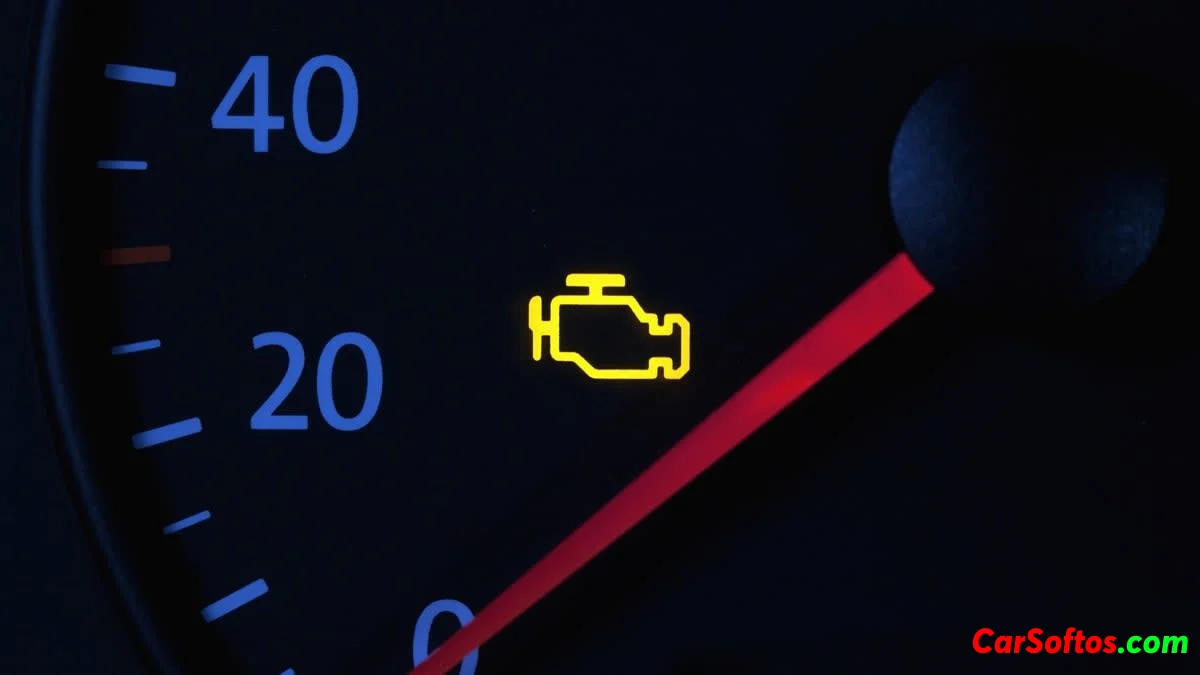
The Check Engine Light (CEL) is one of the most common warning lights drivers see.

It means the vehicle’s computer has detected a problem related to:

  • engine performance

  • emissions system

  • fuel mixture

  • ignition system

  • sensors or electronics

In many cases, the car may still drive normally — but the warning should never be ignored.

  • LIKE
  • 1


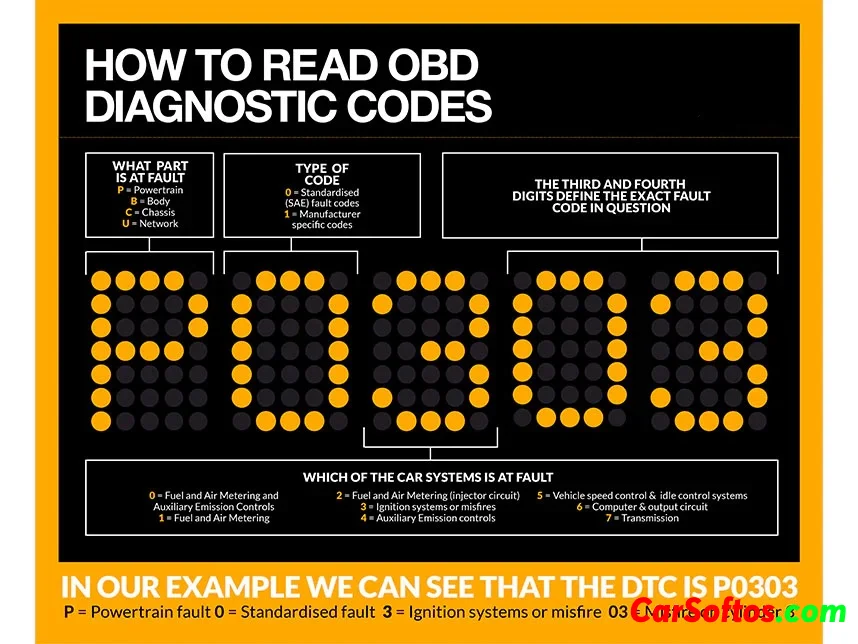
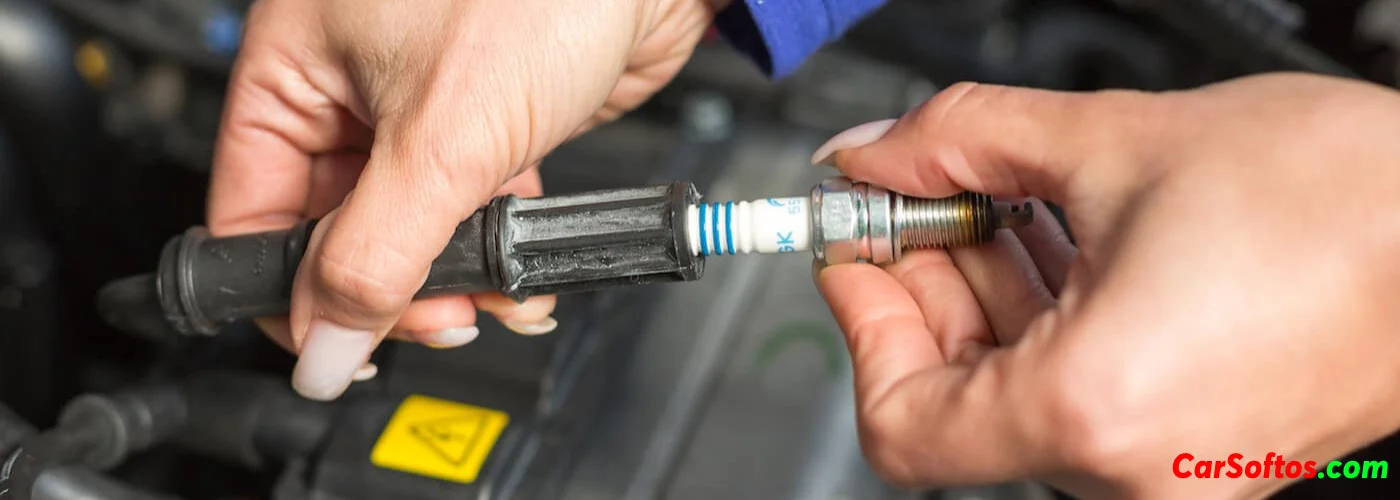
P0303 means the ECU detected combustion problems in Cylinder 3.

Most cases are ignition-related — not major engine failure.


  • LIKE
  • 1


The Check Engine Light is one of the most common warnings modern drivers see.

While thousands of diagnostic trouble codes exist, mechanics report that a small group of OBD2 codes appears much more frequently than others.

This guide explains the 10 most common OBD2 codes, what they mean, and what usually causes them — helping car owners understand problems before expensive repairs happen.

  • LIKE
  • 1


P0302 indicates combustion failure in Cylinder 2.

This causes engine imbalance because one cylinder produces less power.

  • LIKE
  • 1


Many drivers have noticed an increase in Check Engine Light warnings over the last few years.

Modern vehicles are becoming more complex, and new engine technologies mean that OBD2 diagnostic codes are appearing more frequently than ever before.

According to mechanics and diagnostic specialists, this is not necessarily because cars are less reliable — but because they are now monitored more precisely.

  • LIKE
  • 1


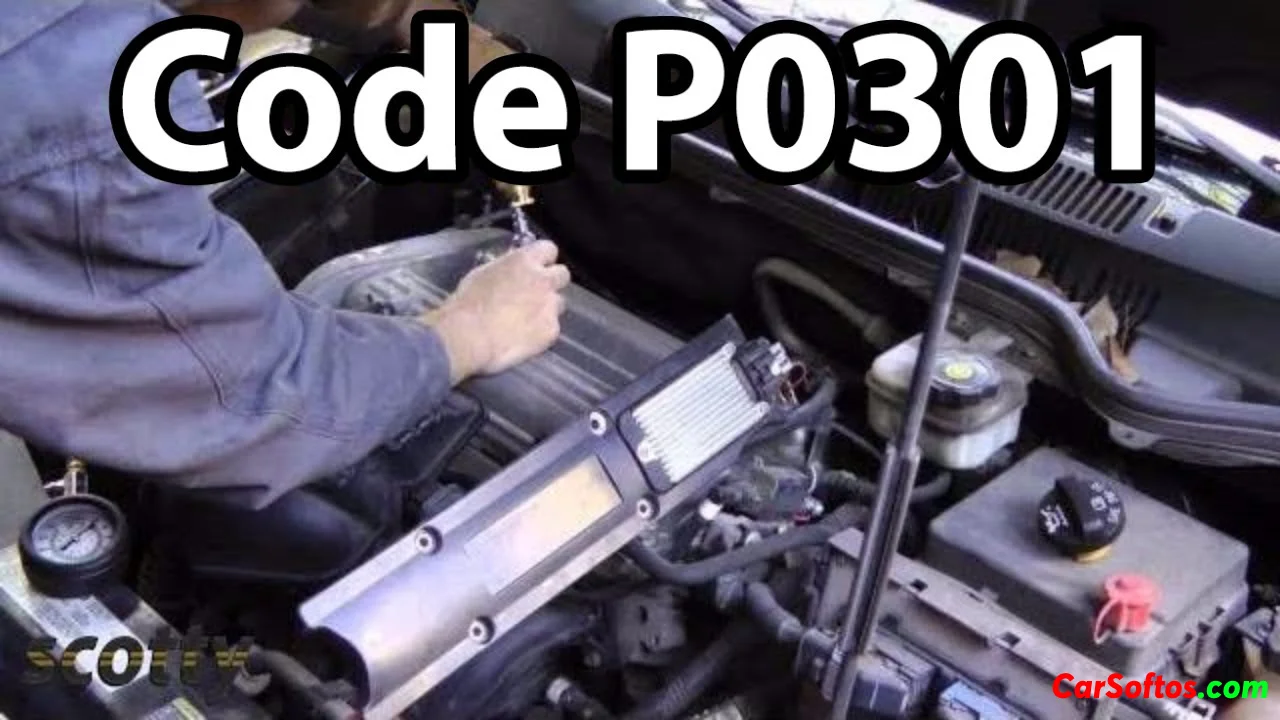
The P0301 trouble code means the engine has detected a misfire specifically in Cylinder 1.

A misfire happens when fuel inside the cylinder does not burn correctly, causing vibration and power loss.

Modern ECUs detect misfires by monitoring crankshaft speed changes.

  • LIKE
  • 1


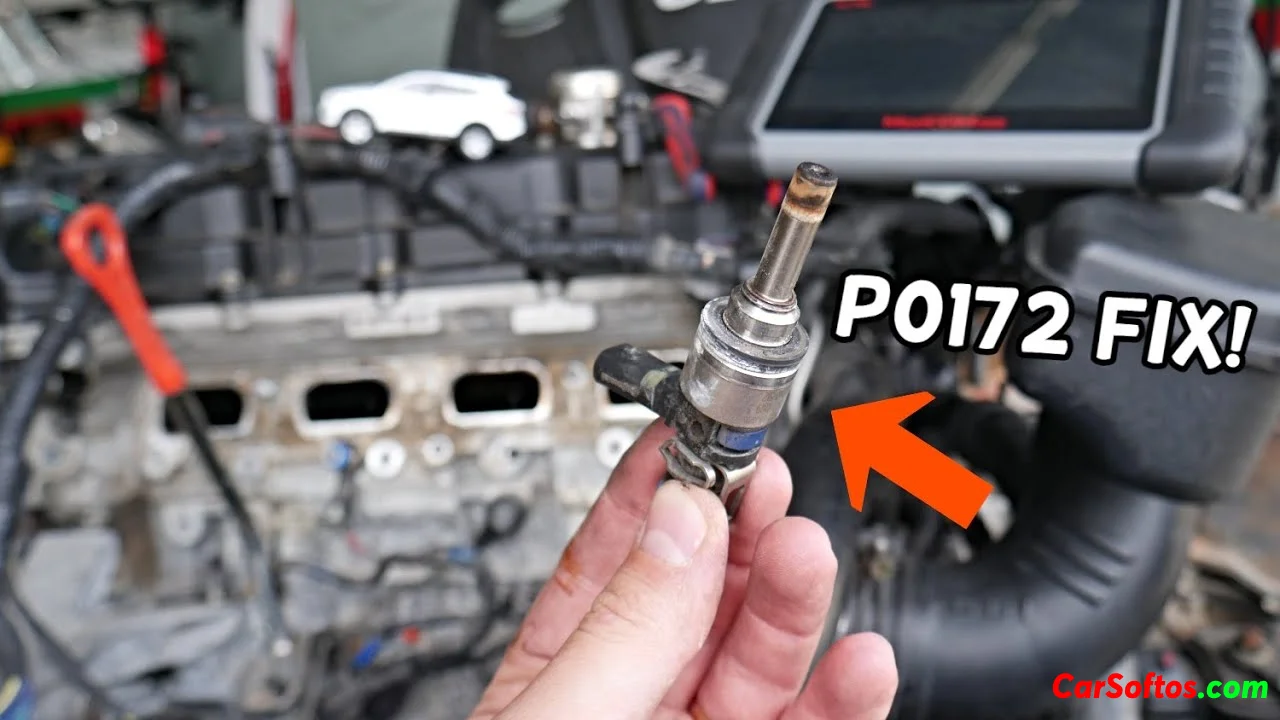
The P0172 diagnostic trouble code indicates that the engine control module (ECM) has detected an excessively rich air-fuel mixture on Bank 1 of the engine.

In simple terms, the engine is receiving too much fuel and not enough air.

When this happens, the Check Engine Light turns on, fuel consumption increases, and engine performance may decrease.

P0172 is one of the most common fuel-trim related OBD2 trouble codes worldwide.

  • LIKE
  • 1


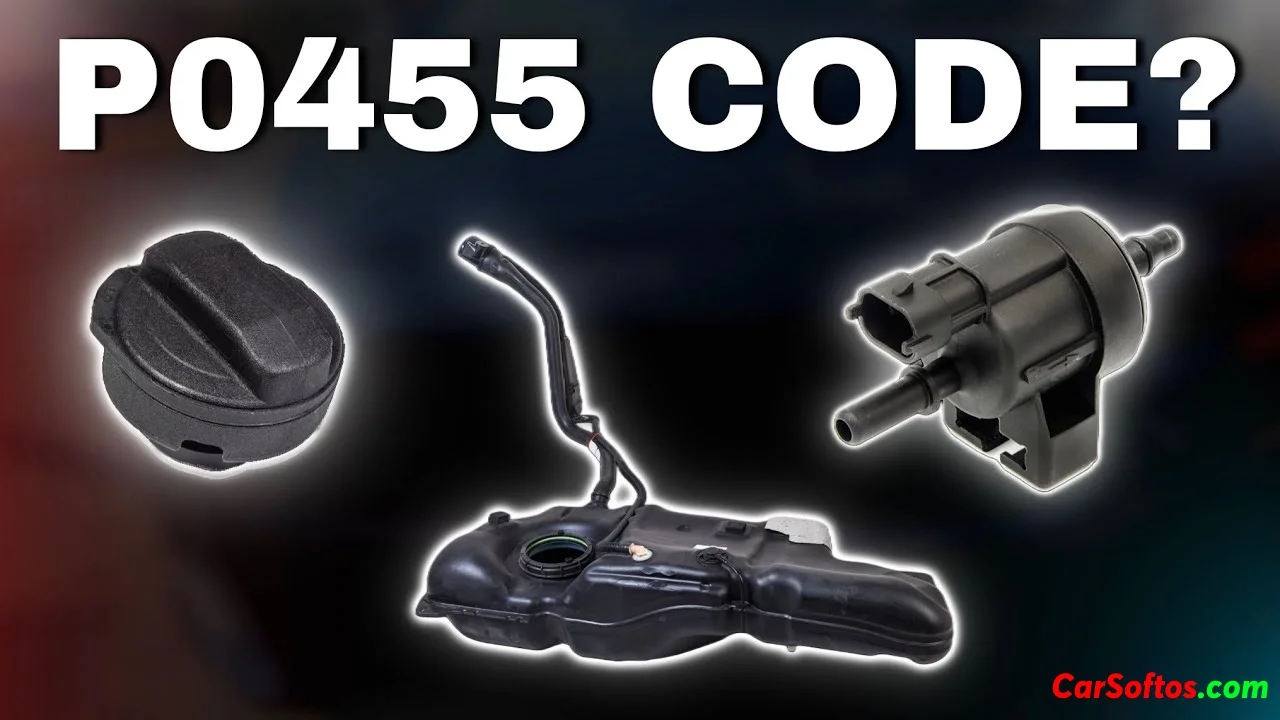
The P0455 diagnostic trouble code indicates that the vehicle’s EVAP (Evaporative Emission Control System) has detected a large leak.

In simple terms, fuel vapors are escaping from the fuel system instead of being contained and recycled.

When P0455 appears, the Check Engine Light will illuminate.
Most vehicles continue to drive normally, but emissions will increase and repairs are recommended.

P0455 is one of the most frequently searched EVAP-related OBD2 trouble codes.

  • LIKE
  • 1


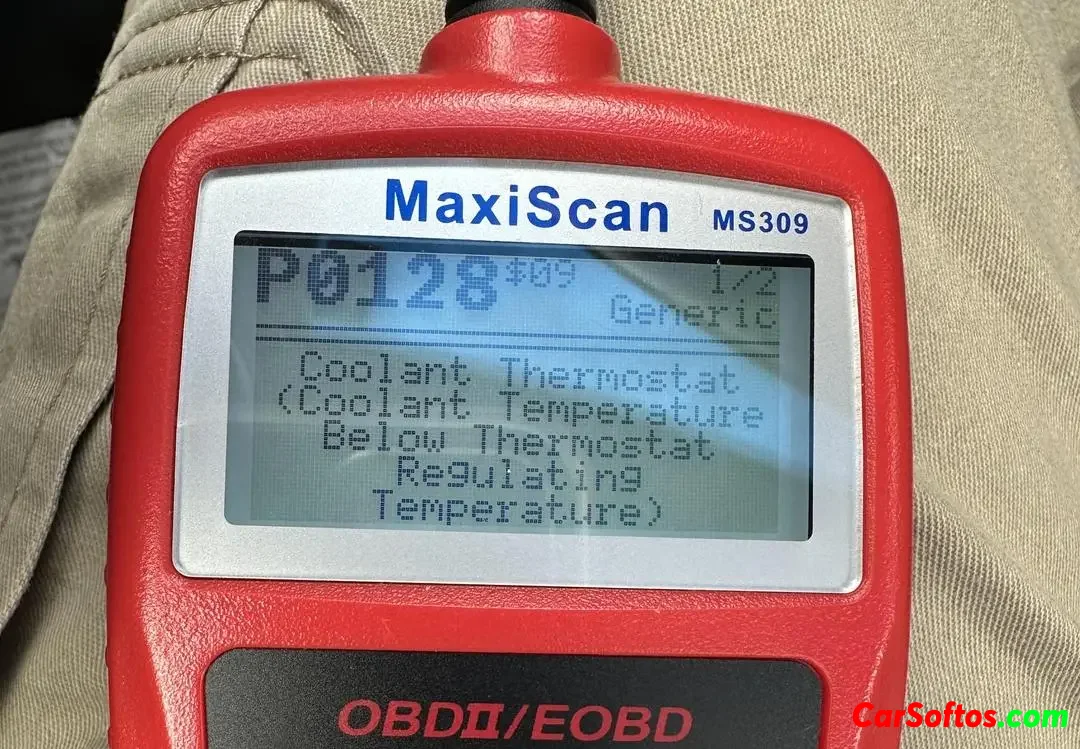
The P0128 diagnostic trouble code indicates that the engine is not reaching its normal operating temperature quickly enough.

In simple terms, the engine is running too cold, usually because the thermostat is stuck open.

When the P0128 code appears, the Check Engine Light turns on, and fuel economy may decrease.

This is one of the most common OBD2 codes found on modern gasoline engines worldwide.

  • LIKE
  • 1


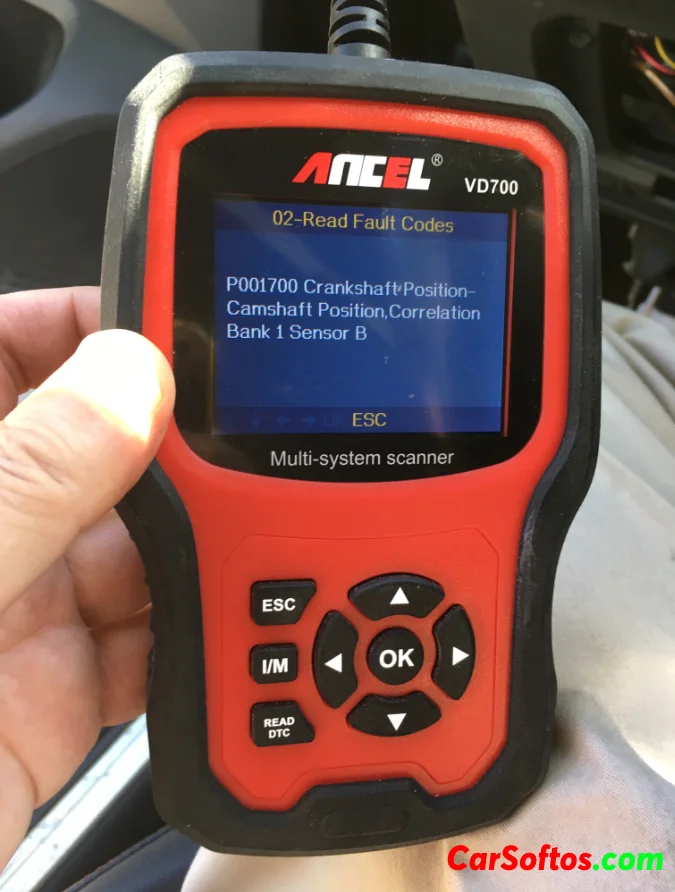
The P0017 diagnostic trouble code indicates a timing correlation problem between the crankshaft position sensor and the camshaft position sensor on Bank 1 Sensor B.

In simple terms, the engine timing is out of alignment.

This code is considered serious, as it may indicate timing chain stretch, VVT actuator failure, or internal engine timing issues.

When P0017 appears, the Check Engine Light will turn on, and the vehicle may run rough, lose power, or fail to start.

  • LIKE
  • 1