
Navigation
Top News
Statistics
Advertisement
Аrchives
Votes
| Rate the site |
5 OBD Codes That Can Destroy Your Catalytic Converter (And Cost You Thousands)
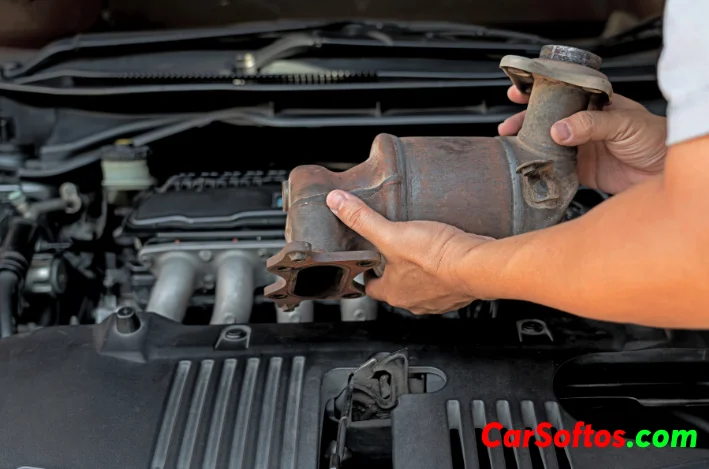
Catalytic converters contain precious metals like platinum, palladium, and rhodium.
When damaged, replacement can cost:
💰 $800–1500 (aftermarket)
💰 $1500–4000+ (OEM)
💰 $3000–6000 on luxury vehicles
And many failures are caused by ignoring certain engine codes.
Here are the 5 most dangerous ones.
1️⃣ P0300 – Random/Multiple Cylinder Misfire
When misfires occur:
-
unburned fuel enters exhaust
-
fuel ignites inside catalytic converter
-
extreme heat melts internal honeycomb
If the Check Engine Light flashes → stop driving immediately.
This is the fastest way to destroy a converter.
2️⃣ P0172 / P0175 – System Too Rich
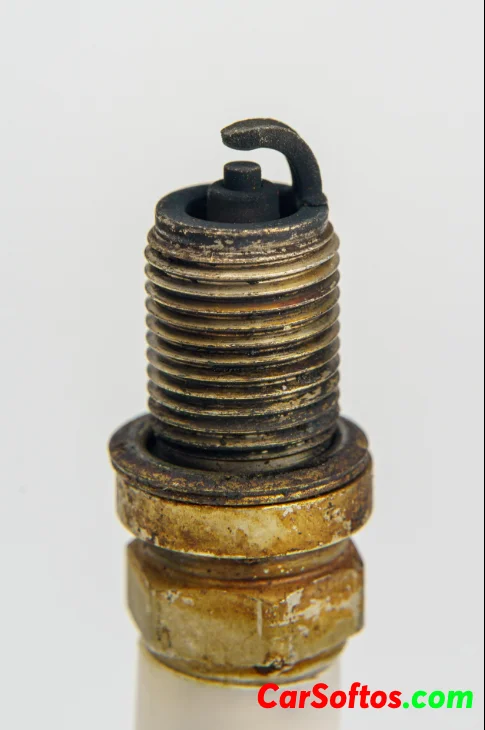
A rich fuel mixture means excess fuel enters exhaust.
Long-term rich operation:
-
overheats catalyst
-
clogs internal structure
-
reduces efficiency
Common causes:
-
faulty injector
-
bad MAF
-
failed O2 sensor
3️⃣ P0087 – Fuel Pressure Too Low (Lean Misfire Risk)
Low fuel pressure can cause:
-
lean misfires
-
unstable combustion
-
increased exhaust temperature
Lean combustion runs hotter — also damaging the converter.
4️⃣ P0340 / P0335 – Timing Signal Failure
If cam or crank signals fail:
-
ignition timing becomes unstable
-
misfires occur
-
raw fuel reaches exhaust
Prolonged driving can damage the catalyst.
5️⃣ P0420 / P0430 – Catalyst Efficiency Below Threshold
Ironically, these codes often appear after damage has already occurred.
But ignoring misfire or rich codes before these appear is what leads here.
Once P0420/P0430 is triggered, replacement is often required.
🚨 Warning Signs Your Converter May Already Be Damaged
-
flashing check engine light
-
sulfur smell
-
rattling noise
-
overheating
-
loss of power
-
poor fuel economy
Ignoring early warning codes leads to expensive repairs.
🔎 Why Catalytic Converters Fail
They usually fail because of:
1️⃣ Unburned fuel
2️⃣ Excessively rich mixture
3️⃣ Lean overheating
4️⃣ Oil or coolant contamination
5️⃣ Ignoring misfire codes
The converter is often the victim — not the root cause.
📊 Quick Risk Comparison
| Code | Risk Level |
|---|---|
| P0300 (flashing) | 🔥 Very High |
| P0172 | 🔥 High |
| P0087 | ⚠ Moderate-High |
| P0340 | ⚠ Moderate |
| P0420 | 💰 Already damaged |
FAQ
Can a misfire destroy a catalytic converter?
Yes — very quickly if ignored.
Is it safe to drive with a rich condition?
Short-term maybe, but it can overheat the converter.
How long does a catalytic converter last?
Typically 100,000–150,000 miles if engine runs properly.
What is the fastest way to damage a catalytic converter?
Driving with a flashing check engine light.
Final Thoughts
Catalytic converters are expensive because they contain precious metals.
Most converter failures are preventable.
The smartest approach:
➡ Fix misfires immediately
➡ Address rich or lean conditions
➡ Monitor fuel pressure
➡ Never ignore a flashing check engine light
Preventing damage is far cheaper than replacing a converter.

Tags:
Users of Guests are not allowed to comment this publication.