
Navigation
Top News
Statistics
Advertisement
Аrchives
Votes
| Rate the site |
Manual vs Automatic — Which Transmission Lasts Longer?
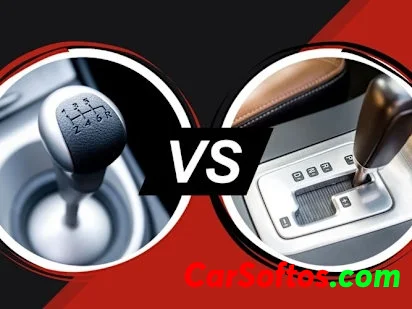
One of the most common questions drivers ask when buying a car is:
Does a manual transmission last longer than an automatic transmission?
The short answer:
👉 Manual transmissions usually last longer
👉 Automatic transmissions are easier to drive but more complex
However, the real answer depends on maintenance, driving habits, and transmission design.
Some vehicles with proper care can reach 300,000+ miles without major transmission problems.
Let’s break down the real differences.
🧰 Manual Transmission Lifespan
Manual gearboxes are mechanically simple compared to automatics.
They contain:
✔ gears
✔ synchronizers
✔ shift forks
✔ bearings
Unlike automatics, they do not use complex hydraulic systems or torque converters.
Because of this simplicity, manuals tend to be very durable.
📊 Average manual transmission lifespan
Typical lifespan:
-
150,000 – 300,000 miles (240,000 – 480,000 km)
-
Many manuals exceed 350,000 miles
In fact, mechanics often see manual gearboxes still working after 20+ years.
However, one component still wears out regularly:
👉 The clutch
🔧 Clutch Replacement (Main Wear Component)
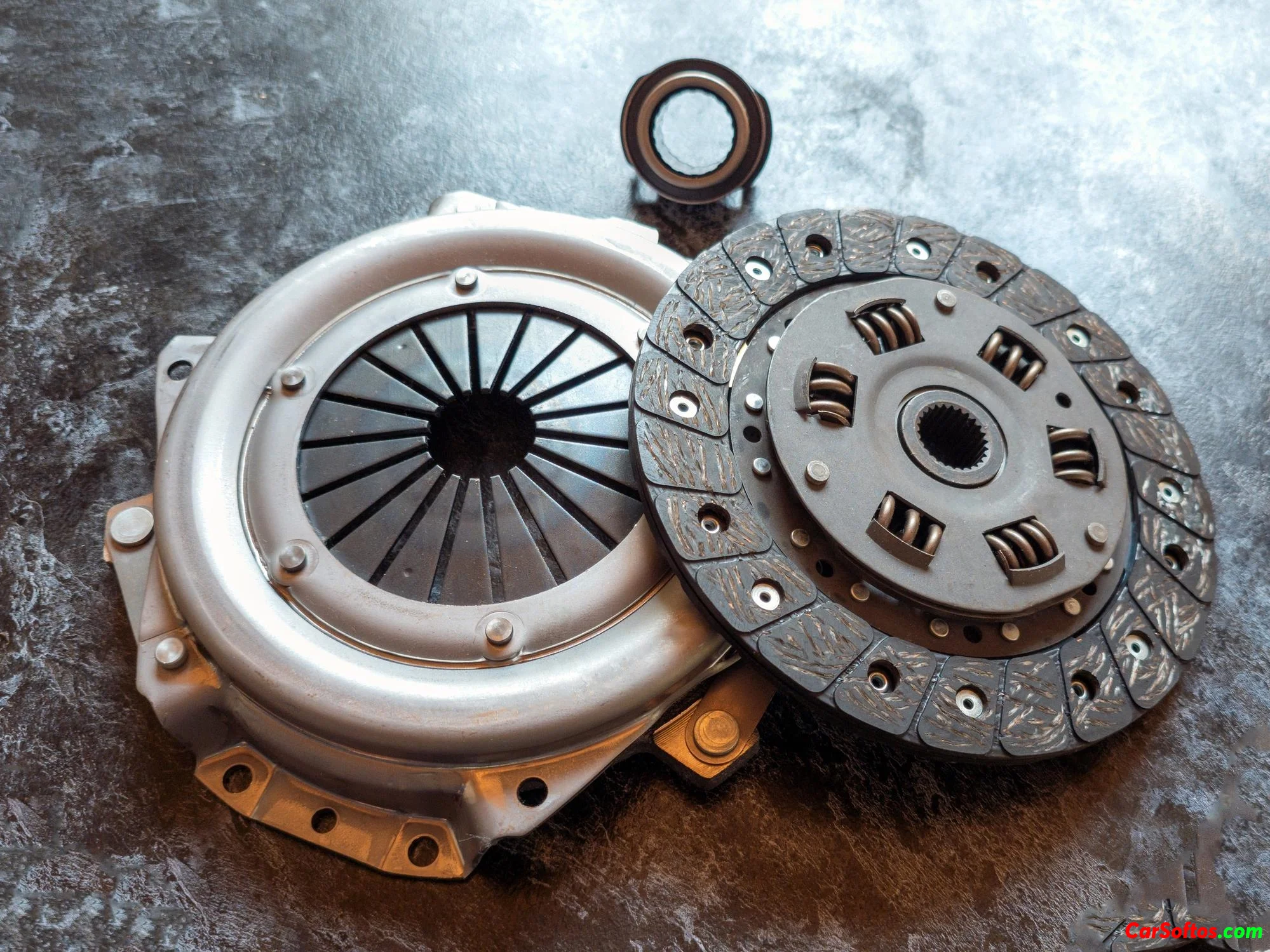
The clutch is the main wear part in manual transmissions.
Every time the driver shifts gears, the clutch disc experiences friction.
Over time it wears down.
💰 Typical clutch replacement cost
-
$400 – $800 — small cars
-
$800 – $1,500 — mid-size vehicles
-
$1,500 – $2,500 — performance or AWD vehicles
🚨 Driving habits that destroy clutches
Bad driving habits can reduce clutch life drastically:
❌ Riding the clutch pedal
❌ Holding the car on a hill using the clutch
❌ Aggressive launches
❌ Constant stop-and-go traffic
A careful driver can make a clutch last 120,000 – 180,000 miles.
🚗 Automatic Transmission Lifespan
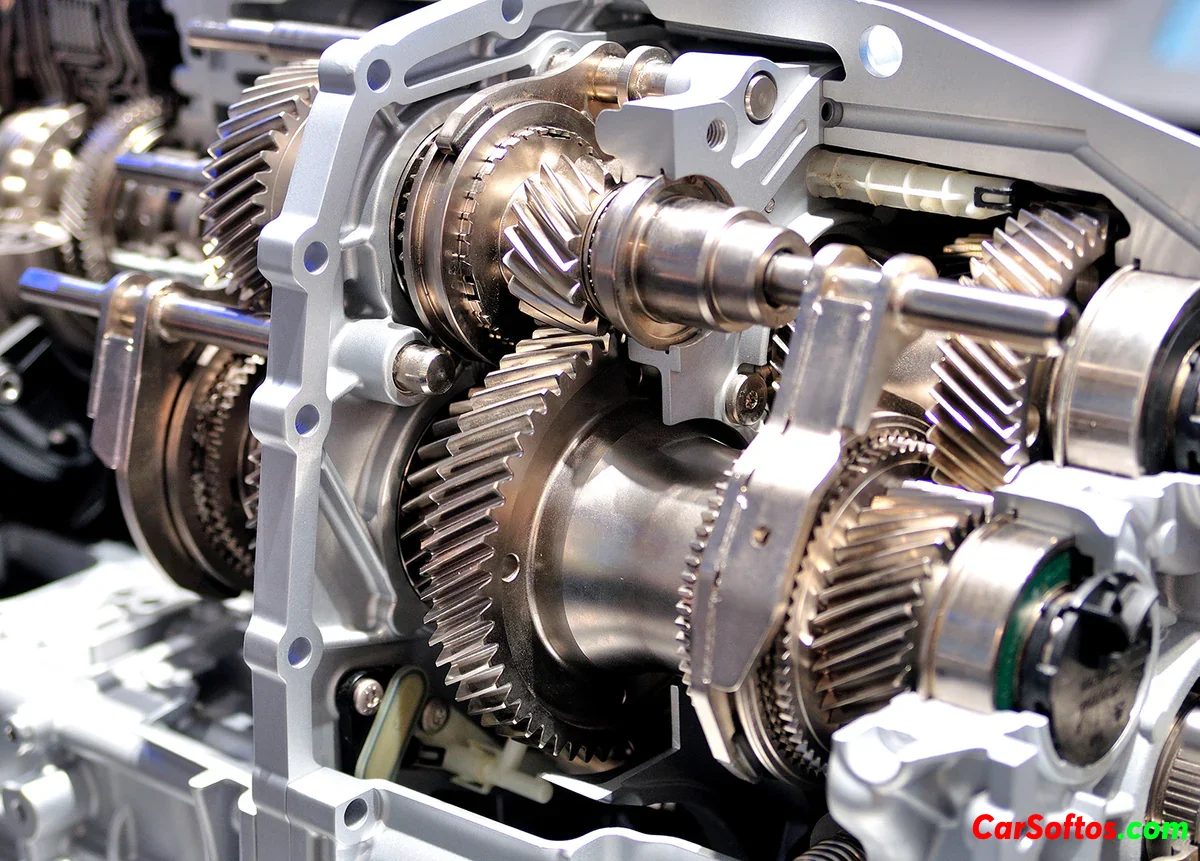
Automatic transmissions are much more complicated.
They include:
✔ torque converter
✔ hydraulic valve body
✔ transmission pump
✔ planetary gear sets
✔ electronic control module
Because of this complexity, they require regular fluid service to stay reliable.
📊 Average automatic transmission lifespan
Typical lifespan:
-
150,000 – 250,000 miles
-
Some modern automatics exceed 300,000 miles
Modern 8-speed and 10-speed transmissions are significantly more durable than older designs.
💰 Automatic Transmission Repair Costs
Automatic transmission repairs can be expensive.
Typical repair costs include:
-
Transmission fluid service — $120 – $300
-
Valve body repair — $500 – $1,200
-
Torque converter replacement — $600 – $1,800
-
Transmission rebuild — $2,500 – $5,000
-
Full replacement — $4,000 – $8,000
This is why many drivers consider manuals cheaper long-term.
⚠️ CVT Transmissions — A Different Story
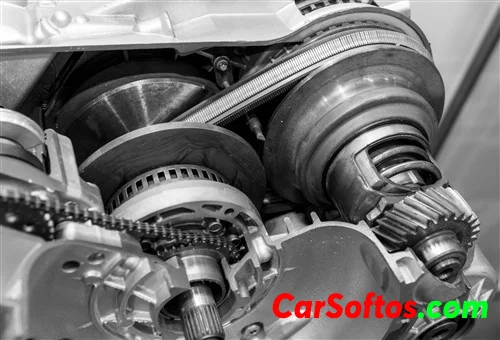
CVT (Continuously Variable Transmission) is different from both manual and traditional automatic transmissions.
Instead of gears, CVTs use:
✔ steel belts
✔ adjustable pulleys
📊 Typical CVT lifespan
-
100,000 – 200,000 miles
💰 Common CVT repair costs
-
CVT belt replacement — $1,500 – $3,500
-
Full CVT replacement — $4,000 – $7,000
Because of these repairs, many mechanics consider CVTs less durable than traditional gearboxes.
🔥 What Actually Kills Transmissions?
Regardless of transmission type, several factors determine lifespan.
🚗 1. Driving style
Aggressive driving increases wear.
Hard acceleration and towing generate heat and stress.
🌡️ 2. Heat
Heat is the biggest enemy of automatic transmissions.
Overheated transmission fluid loses lubrication.
This can quickly destroy internal components.
🛢️ 3. Maintenance
Fluid service is critical.
Recommended intervals:
-
Automatic transmission fluid: every 40,000 – 60,000 miles
-
Manual gearbox oil: every 60,000 – 100,000 miles
Many transmissions fail simply because the fluid was never changed.
📊 Manual vs Automatic — Reliability Comparison
| Feature | Manual | Automatic |
|---|---|---|
| Complexity | Low | High |
| Average lifespan | 150k – 300k miles | 150k – 250k miles |
| Repair cost | Lower | Higher |
| Driving difficulty | Higher | Easier |
| Maintenance | Less frequent | More frequent |
🏁 Final Verdict
Both transmissions can last many years when properly maintained.
However:
✔ Manual transmissions often last longer
✔ Automatic transmissions cost more to repair
✔ Modern automatics are much more reliable than older ones
For drivers who prioritize durability and low repair costs, manuals still have an advantage.
For comfort and convenience, automatic transmissions remain the most popular choice.

Tags:
Users of Guests are not allowed to comment this publication.