
Navigation
Top News
Statistics
Advertisement
Аrchives
Votes
| Rate the site |
Automatic vs CVT Transmission: Which One Fails More — And Which Is More Expensive to Repair?
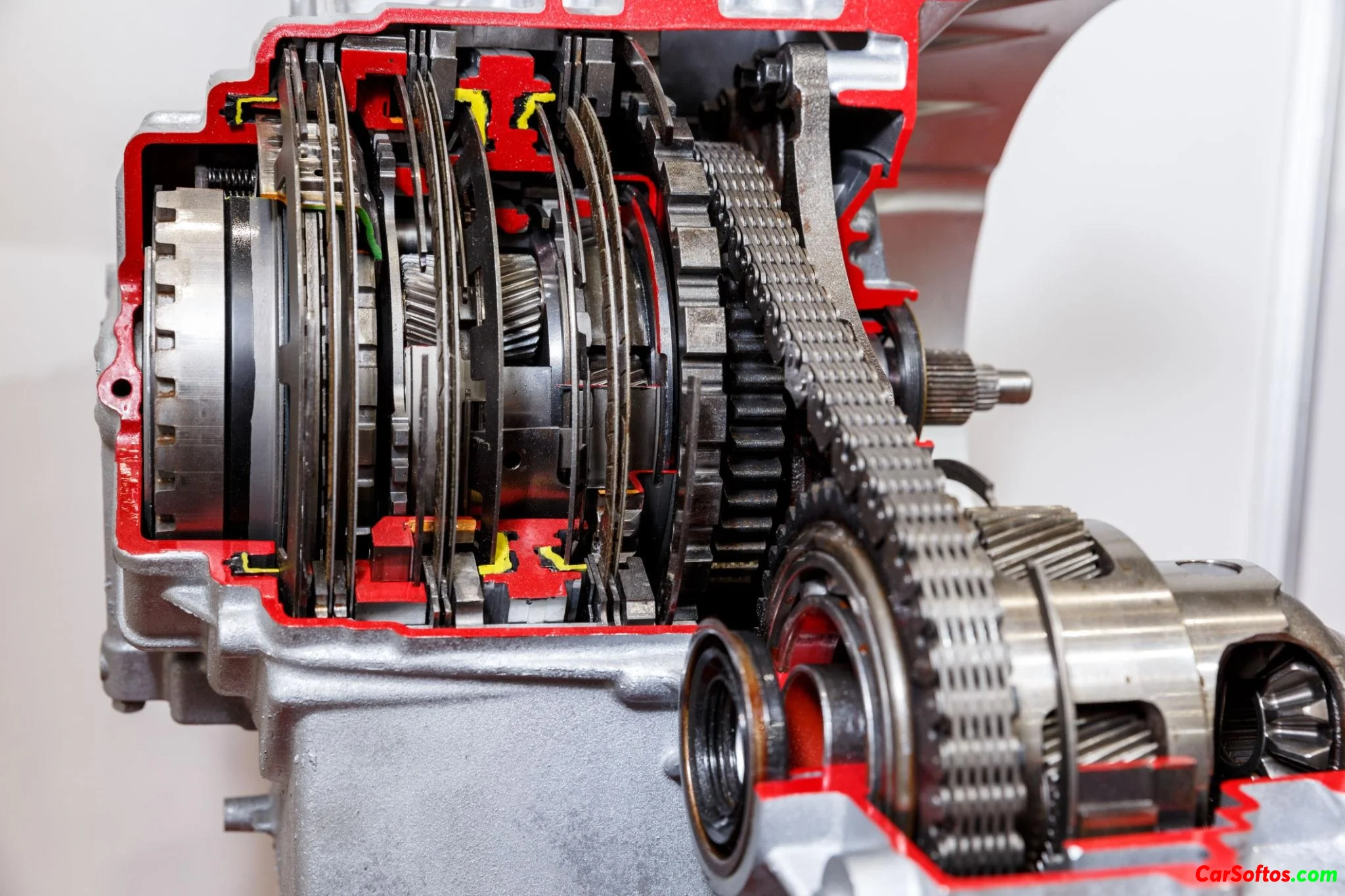
Traditional Automatic Transmission
Uses:
-
planetary gear sets
-
torque converter
-
hydraulic system
-
multiple clutch packs
It shifts through fixed gears (1st, 2nd, 3rd, etc.).
CVT (Continuously Variable Transmission)
Uses:
-
two variable pulleys
-
steel belt or chain
-
no fixed gears
Instead of shifting, it continuously adjusts ratios.
🔥 Which One Fails More Often?
Short Answer:
CVTs tend to fail earlier on average.
Traditional automatics tend to be more durable — but expensive when they fail.
Now let’s break it down properly.
📊 Average Lifespan Comparison
| Transmission Type | Average Lifespan |
|---|---|
| Traditional Automatic | 150,000–250,000 miles |
| CVT | 100,000–180,000 miles |
⚠ Maintenance and driving style matter more than type.
🔎 Common Automatic Transmission Failures
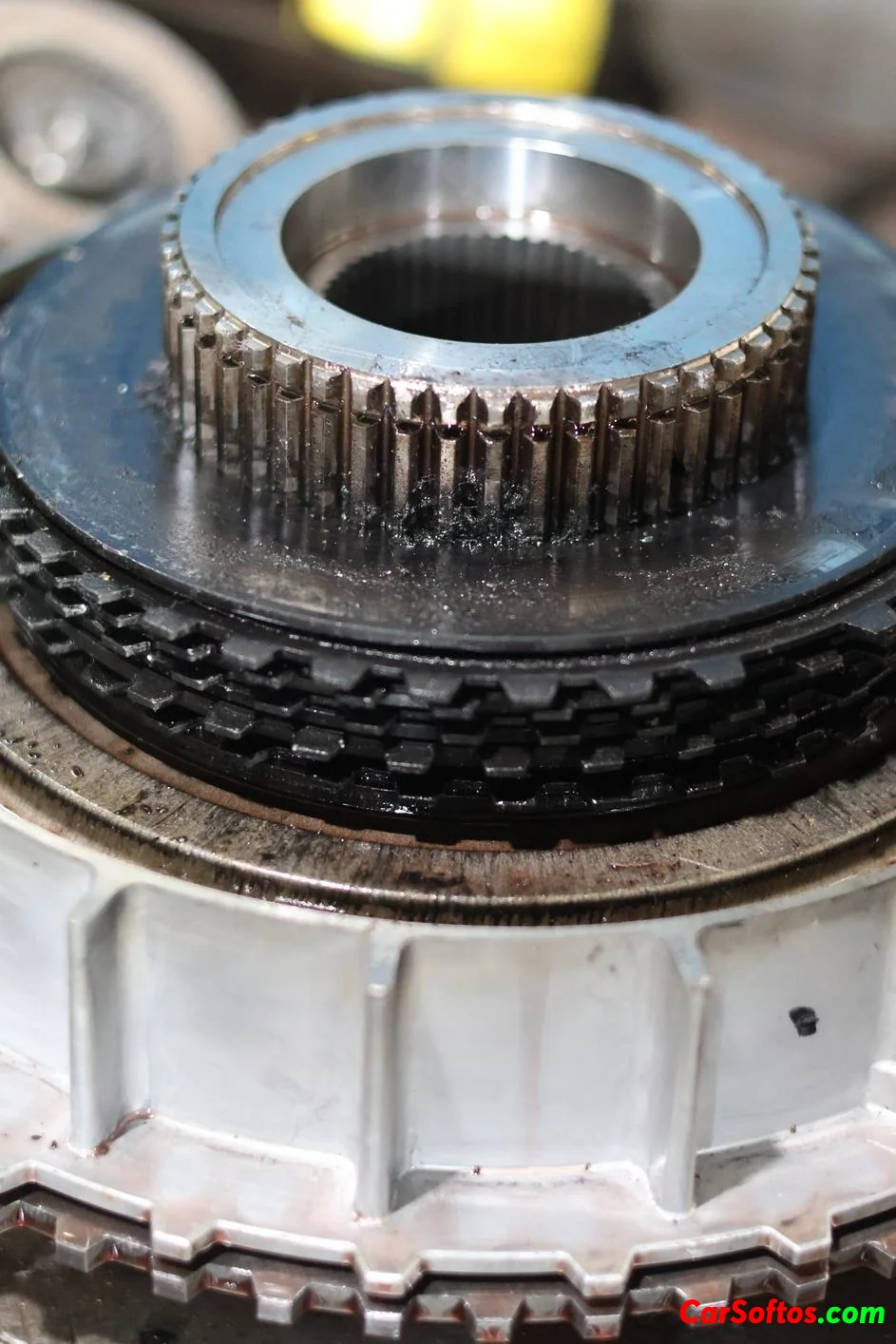
Common issues:
-
Worn clutch packs
-
Torque converter failure (P0740)
-
Valve body problems
-
Solenoid failures (P0750–P0770)
These units are complex but repairable.
🔎 Common CVT Failures
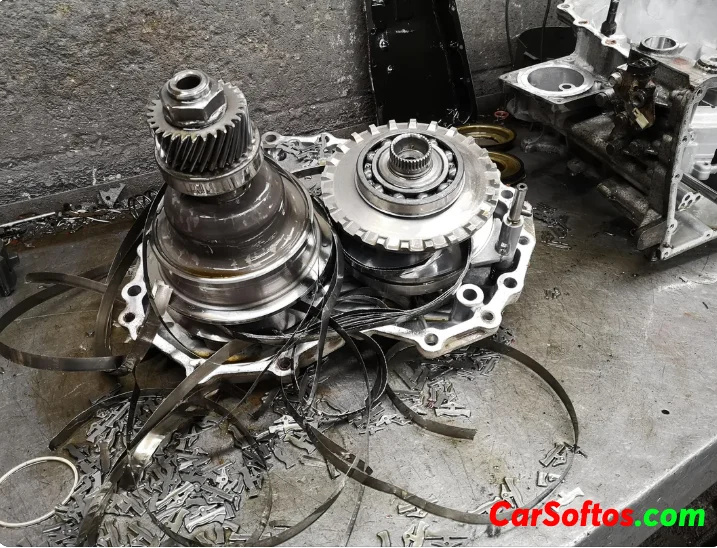
Most common CVT problems:
-
Belt or chain wear
-
Pulley scoring
-
Overheating
-
Fluid breakdown
-
Sudden failure without warning
Many CVTs are harder to rebuild and often replaced entirely.
💰 Which One Is More Expensive to Fix?
Traditional Automatic
-
Fluid service: $150–300
-
Solenoid repair: $300–800
-
Torque converter: $800–2000
-
Rebuild: $2500–5000+
CVT
-
Fluid service: $200–400
-
Valve body: $800–1500
-
Replacement CVT: $3000–6000+
CVTs often cost more when they fail severely.
🚨 Warning Signs of Failure (Both Types)
-
Delayed engagement
-
Slipping
-
Shuddering
-
Overheating
-
Warning light (P0700)
-
RPM fluctuations
Early diagnosis saves thousands.
🔥 Which One Is More Reliable?
Generally:
✔ Older traditional automatics → more durable
✔ Modern 8–10 speed automatics → very reliable
⚠ Some early-generation CVTs had reliability issues
However, modern CVTs have improved significantly.
⚙ Maintenance Is the Real Deciding Factor
Most transmission failures happen because:
-
fluid is never changed
-
overheating is ignored
-
early codes are cleared without fixing
-
heavy towing without cooling
Maintenance interval is critical.
📈 Which One Is Better for Fuel Economy?
CVT:
✔ Better fuel efficiency
✔ Smoother acceleration
Automatic:
✔ Stronger for towing
✔ Better under heavy load
FAQ
Do CVTs fail more than automatics?
Historically yes, but modern CVTs have improved.
Is CVT more expensive to repair?
Often yes, especially if full replacement is required.
Which transmission lasts longer?
Traditional automatics typically last longer under heavy use.
Should I avoid CVT cars?
Not necessarily — maintenance history matters most.
Final Verdict
If maintained properly:
Both can last long.
If neglected:
Both can fail early.
However:
Traditional automatics are generally more durable.
CVTs are more efficient but can be more expensive when they fail.

Tags:
Users of Guests are not allowed to comment this publication.