
Navigation
Top News
Statistics
Advertisement
Аrchives
Votes
| Rate the site |
BMW Engine Code 2AAF — How to Diagnose Fuel Pump Plausibility Faults
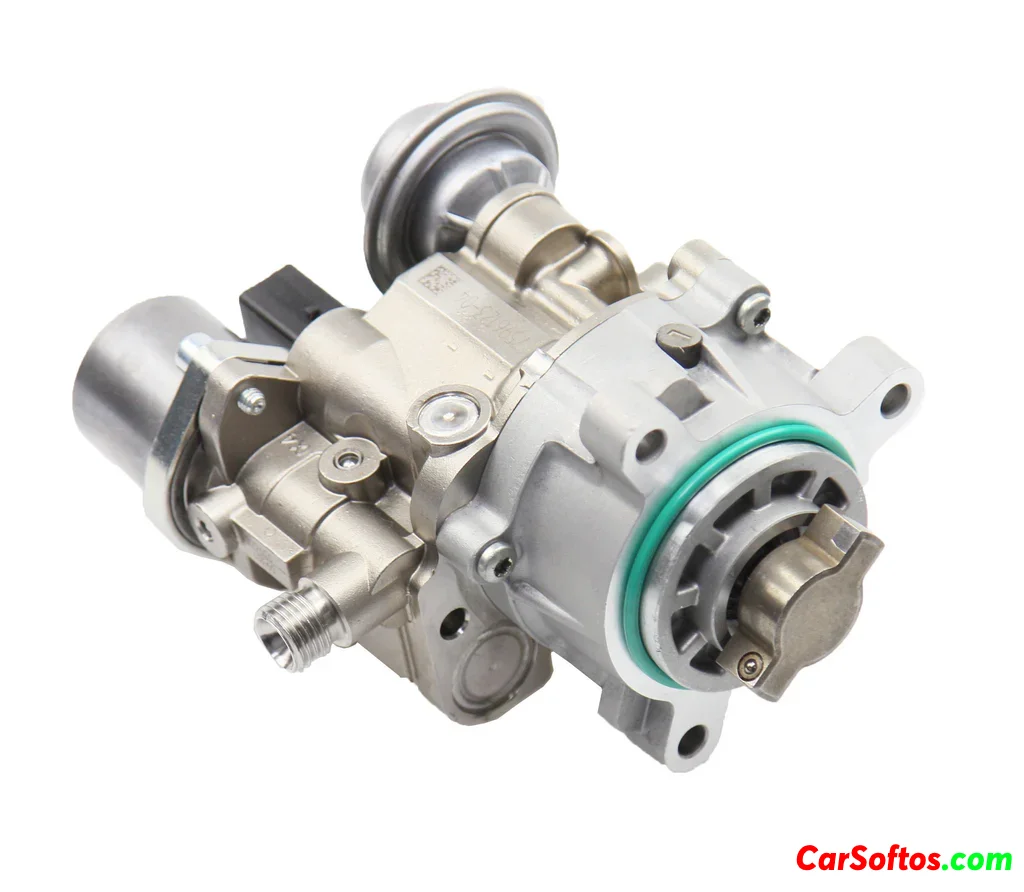
The 2AAF fault is one of the most discussed BMW fuel-system codes, especially on turbo engines such as the N54 and early N55. In practice, it points to a fuel delivery plausibility problem rather than naming one failed part with certainty. That is why this code often sends owners in the wrong direction toward an immediate HPFP replacement, even though the real cause can also be the low-pressure fuel pump (LPFP), a low-pressure sensor, wiring, or a broader fueling imbalance. BMW-focused sources and technician discussions consistently tie 2AAF to the relationship between requested and actual fuel supply rather than to a single guaranteed component failure.
🔎 What Does BMW Code 2AAF Mean?
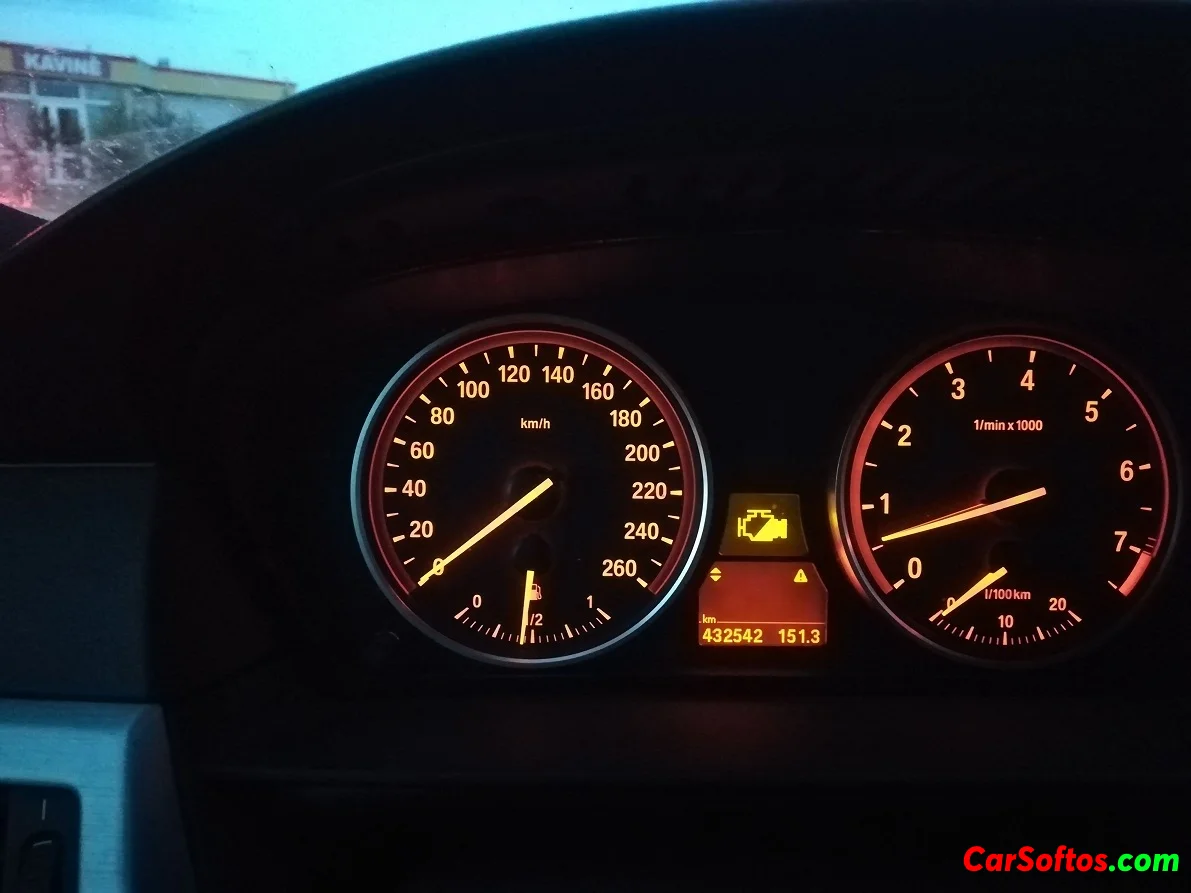
In plain English, “Fuel pump plausibility” means the DME believes the fuel system data does not make sense compared with what the engine is demanding. On BMW turbo engines, the fueling chain involves the in-tank low-pressure fuel pump, the low-pressure sensor, the high-pressure fuel pump (HPFP), and the rail-pressure control strategy. If one part of that chain under-delivers or reports implausible data, the DME can set 2AAF. BMW forum discussions from experienced users repeatedly describe 2AAF as a code that often needs to be interpreted alongside live pressure logs and companion fuel faults, not in isolation.
That nuance is important: many BMW owners report that 2AAF by itself does not always mean a dead pump. Multiple community writeups citing BMW TIS guidance say the code becomes far more meaningful when it appears with other fuel-pressure or drivability faults rather than alone. That does not mean it should be ignored, but it does mean the correct next step is diagnosis, not blind parts replacement.
🚗 Engines and BMW Models Where 2AAF Is Common
This code is most commonly discussed on BMW N54 cars, where fuel-system issues are a well-known ownership theme, but it also appears in discussions around early N55 applications and some other direct-injection BMW engines. FCP Euro’s N54/N55 HPFP guide highlights the HPFP as one of the common failures on these engines, and owner communities frequently connect 2AAF with N54 fueling complaints on 135i, 335i, 535i, and Z4 models.
Typical affected platforms include:
-
BMW 135i
-
BMW 335i / 335xi
-
BMW 535i / 535xi
-
BMW Z4 35i
-
some early N55-equipped cars discussed in HPFP context
⚠️ Common Symptoms of 2AAF
When 2AAF is a real drivability problem and not just a stored plausibility event, owners commonly report:
-
long crank or hard cold starts
-
hesitation under load
-
misfires during acceleration
-
rough idle
-
reduced power / limp mode
-
stumbling at higher RPM or boost
-
fuel-related companion codes and mixture faults
That symptom pattern makes sense. If the LPFP cannot consistently feed the HPFP, the high-pressure side can become unstable under load. BMW owners and technicians on marque-specific forums often describe 2AAF showing up with lean mixture faults, misfires, or reduced-power behavior when the low side starts dipping below what the HPFP needs.
🧠 Why 2AAF Is Often Misdiagnosed
The biggest mistake with 2AAF is assuming it automatically means “replace the high-pressure pump.” That can be true in some cars, but it is far from universal. BMW community diagnostics repeatedly point out that a weak LPFP can starve the HPFP and make the high-pressure side look guilty, even though the root cause begins in the tank or at the low-pressure sensor side.
Another reason for confusion is that 2AAF can coexist with unrelated problems such as misfires, mixture faults, vacuum leaks, injector issues, or tuning-related fueling changes. In other words, 2AAF is often a symptom code inside a larger fuel story, not always the story by itself.
🔧 Most Common Causes of BMW 2AAF
1️⃣ Weak Low-Pressure Fuel Pump (LPFP)
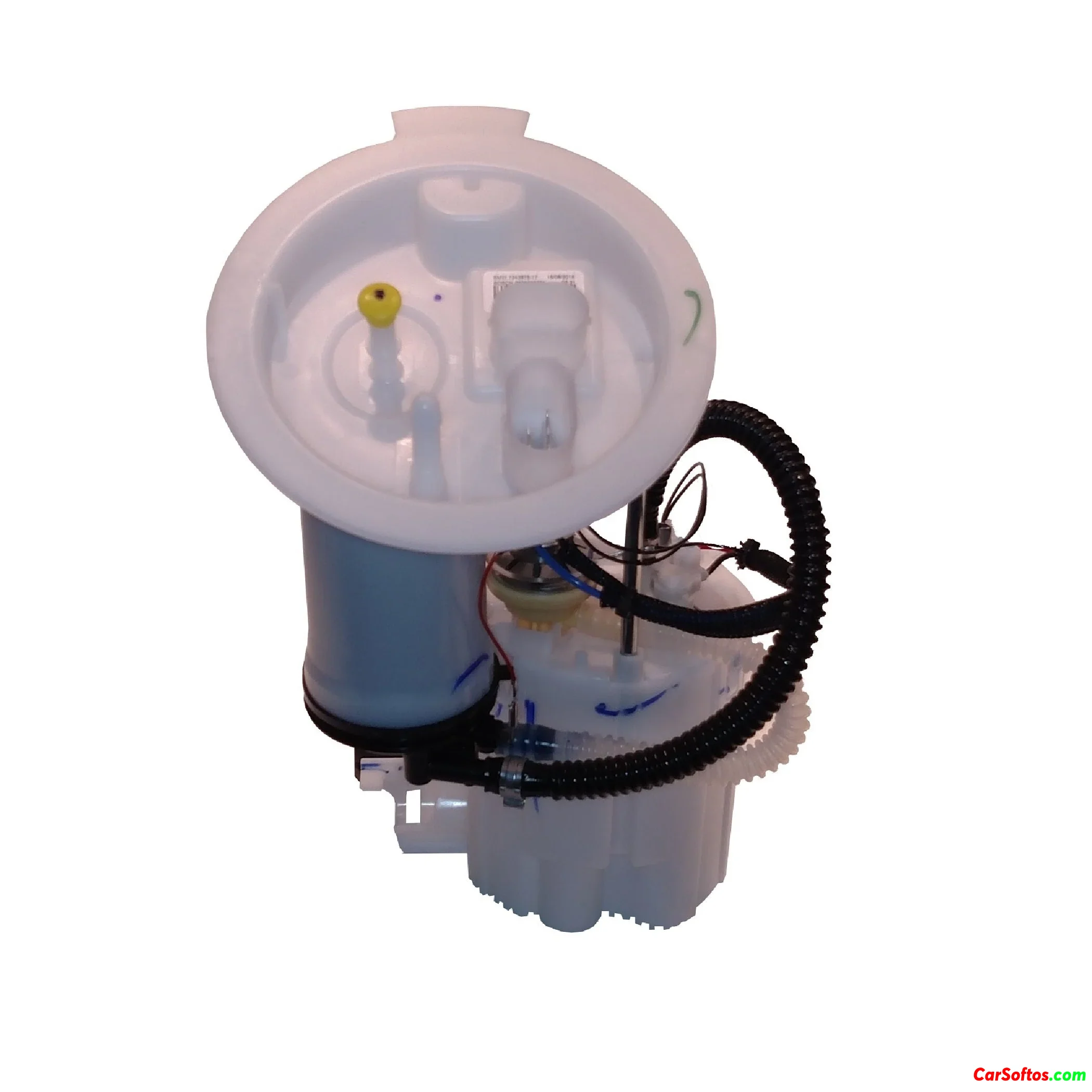
Among BMW enthusiasts and independent tech discussions, the LPFP is one of the most commonly suspected causes when 2AAF appears with lean running, hesitation, or pressure dips under load. Owners reviewing logs often point to low-side pressure dropping more than expected, especially during acceleration.
2️⃣ Failing High-Pressure Fuel Pump (HPFP)
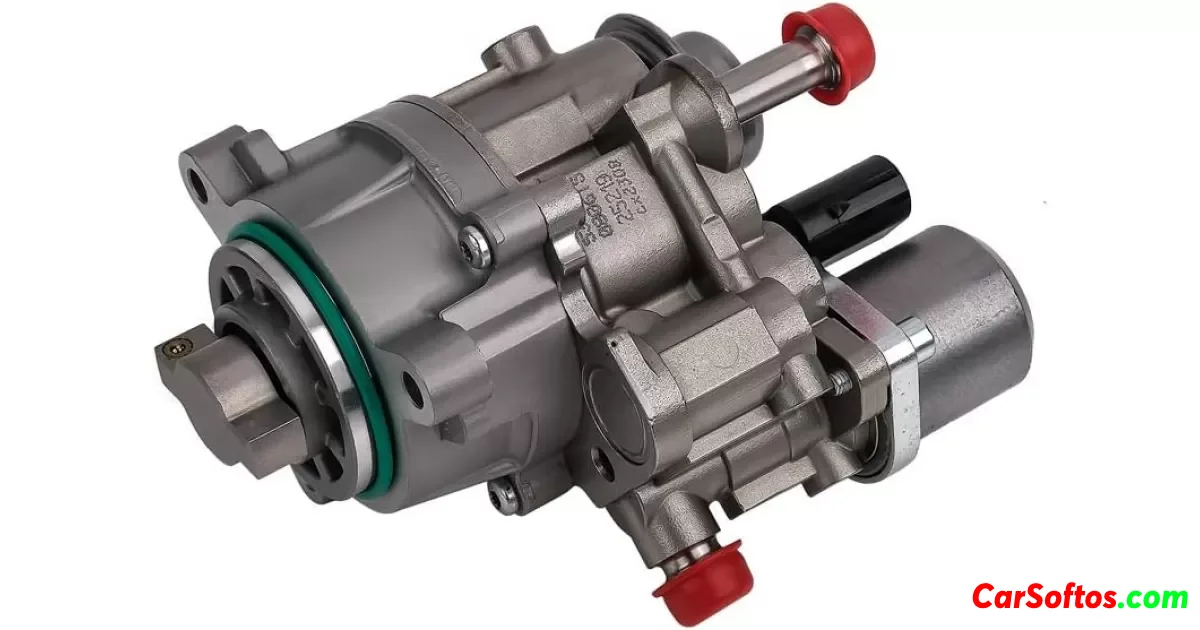
The HPFP is a known weak point on many N54s and early N55s. FCP Euro notes that when the HPFP starts failing, cars commonly show limp mode, hard starts, hesitation, and reduced power. If the HPFP cannot build commanded rail pressure consistently, 2AAF may appear as part of the failure pattern.
3️⃣ Faulty Low-Pressure Fuel Sensor
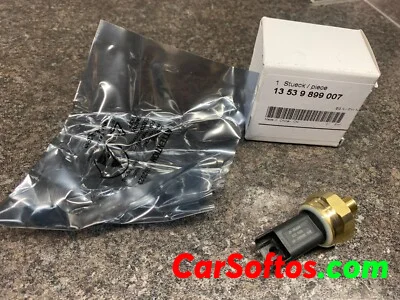
BMW owners also frequently connect 2AAF with the low fuel pressure sensor, especially when LPFP hardware has been replaced but plausibility problems remain. Turner Motorsport’s listing for the genuine low-pressure sensor shows it fits multiple BMW platforms discussed in these fault threads, which aligns with community reports of this sensor being a repeat suspect in N54 fuel diagnosis.
4️⃣ Wiring, Connectors, or EKP Control Issues
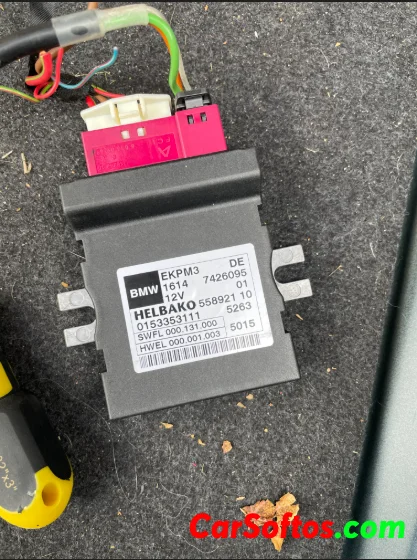
Electrical problems can also create implausible fuel readings. BMW forum troubleshooting around 2AAF regularly recommends checking EKP module data, pump voltage, pump RPM, connector condition, and grounds before buying expensive parts.
5️⃣ Injectors, Mixture Faults, or Vacuum Leaks
If 2AAF appears together with 29E0 / 29E1 mixture codes, the problem may not be a pump alone. BMW diagnostics discussions note that lean faults, injectors, or intake/vacuum problems can muddy the picture and must be separated from a true fuel-supply failure.
📉 Symptoms by Failure Type
A useful way to think about 2AAF is by behavior pattern:
More LPFP-like behavior
-
stumble under load
-
low-side pressure drops
-
HPFP appears to “run out of feed”
-
lean or mixture codes may join in
More HPFP-like behavior
-
long crank
-
hot-start issues
-
limp mode under acceleration
-
rail pressure instability on logs
More sensor / wiring-like behavior
-
implausible readings without a completely dead pump
-
intermittent behavior
-
pressure data that spikes or behaves irrationally
-
recurring code after some hardware replacement
🛠️ How to Diagnose 2AAF Correctly
The best diagnostic path is not guesswork; it is pressure logging.
BMW-focused diagnostic discussions recommend checking:
-
low-side fuel pressure
-
high-side rail pressure
-
fuel pressure request vs actual
-
EKP / fuel pump module data
-
long cranks, misfires, and companion faults
-
whether the problem happens only under load or also at idle/startup
A practical diagnosis sequence
Step 1: Read all codes, not just 2AAF
Look for lean mixture faults, rail-pressure plausibility faults, misfires, and EKP-related problems. If 2AAF is the only code and the car drives normally, the case for immediate pump replacement is weaker.
Step 2: Check startup behavior
Long cranking and hard starts point more strongly toward fuel delivery trouble, especially HPFP-related patterns on N54/N55 cars.
Step 3: Log low-side and high-side pressure under load
If the low side dips and the car stumbles, the LPFP or its control/sensor side becomes more likely. If the low side looks acceptable but rail pressure collapses, the HPFP moves higher on the suspect list.
Step 4: Inspect the low-pressure sensor and wiring
This is often cheaper and smarter than starting with the most expensive part. Community repair discussions around 2AAF repeatedly bring up the low-pressure sensor as an overlooked cause.
Step 5: Only then condemn the pump
On these engines, replacing an HPFP first can become an expensive guess. Evidence-based diagnosis saves money.
💰 Repair Cost for 2AAF
Because 2AAF is a diagnostic umbrella code, repair cost depends entirely on which part is actually failing.
Typical ranges owners should expect:
-
Low-pressure fuel sensor: usually one of the cheaper fixes
-
LPFP replacement: moderate cost
-
HPFP replacement: expensive, often one of the costliest fuel repairs on N54/N55 cars
-
wiring / connector repair: variable but sometimes cheaper than pump replacement
-
injector or vacuum-related fixes: depends on the real companion fault
For article monetization and AdSense, this is exactly the kind of topic that performs well because the search intent is high: users with 2AAF are often already facing a real drivability problem and a potentially expensive fuel-system decision. That makes deep diagnosis content more valuable than thin “replace the pump” content.
🚨 Can You Drive With BMW Code 2AAF?
Sometimes yes, but it depends on symptoms.
If the car only stores 2AAF occasionally and still runs normally, owners may continue driving for a while. But if it comes with:
-
long crank
-
hesitation
-
reduced power
-
lean codes
-
misfires under load
then continued driving becomes risky because the car can enter limp mode or stall under demand. HPFP-related failures on these BMW engines are also known to leave drivers stranded in more severe cases.
🏁 Final Verdict
BMW code 2AAF is not a “replace this one part” code. It is a fuel plausibility warning that tells you the DME sees something wrong in how fuel supply is being delivered or reported. On N54 and related BMW engines, the most common real causes are:
-
weak LPFP
-
failing HPFP
-
bad low-pressure fuel sensor
-
wiring / EKP issues
-
companion mixture or injector problems
The smartest takeaway for the reader is this:
Do not replace the HPFP just because you saw 2AAF once. Log pressures first.
That single sentence makes the article more credible, more useful, and more likely to earn trust and backlinks from BMW owners.

Tags:
Users of Guests are not allowed to comment this publication.