
Navigation
Top News
Statistics
Advertisement
Аrchives
Votes
| Rate the site |
P0299 Code – Turbo Underboost (Meaning, Causes, Symptoms & How to Fix)
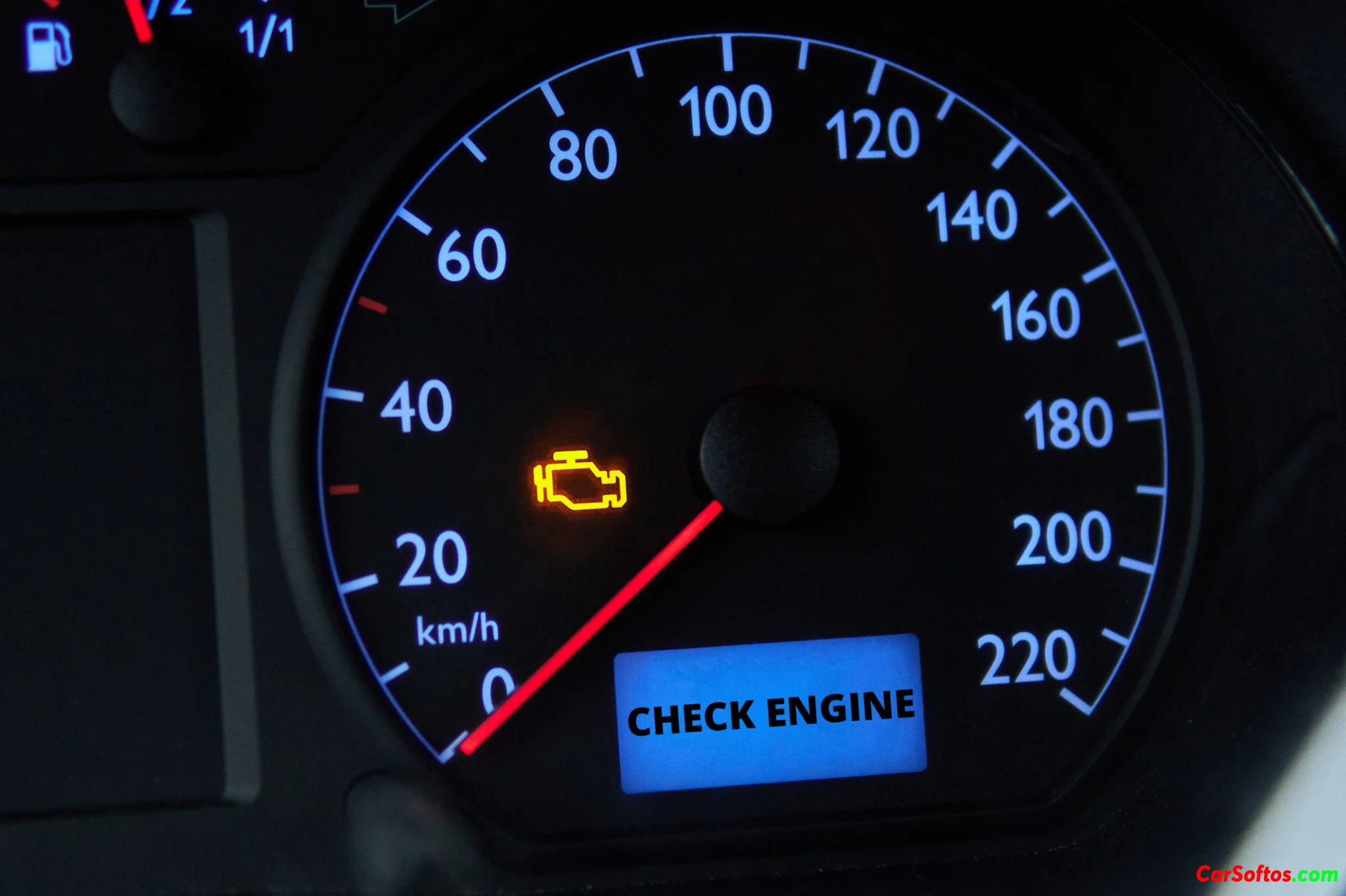
The P0299 trouble code indicates that your vehicle’s engine control module (ECM) has detected that the turbocharger is producing less boost pressure than expected.
What Does P0299 Mean?
Modern turbocharged engines constantly monitor boost pressure using a MAP sensor.
When the actual boost pressure is significantly lower than the requested value, the ECM triggers:
P0299 – Turbocharger/Supercharger Underboost Condition
In simple terms:
Your turbo is not producing enough pressure.
Common Symptoms of P0299
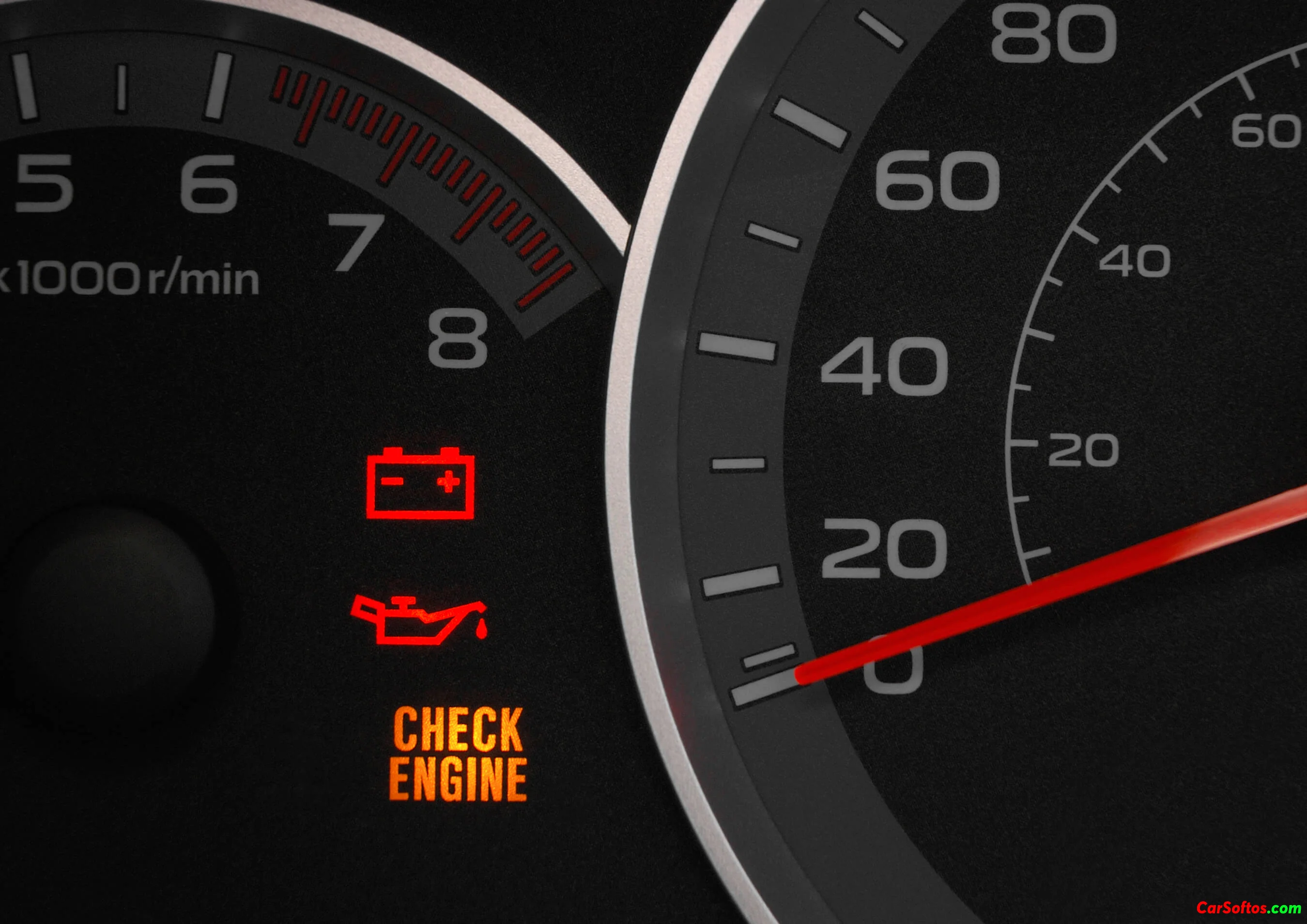

If your car has a P0299 code, you may notice:
-
Loss of engine power
-
Slow acceleration
-
Limp mode activation
-
Check Engine Light ON
-
Whistling turbo noise
-
Excessive black smoke (diesel engines)
Main Causes of P0299 Code
1. Boost Leak (Most Common)
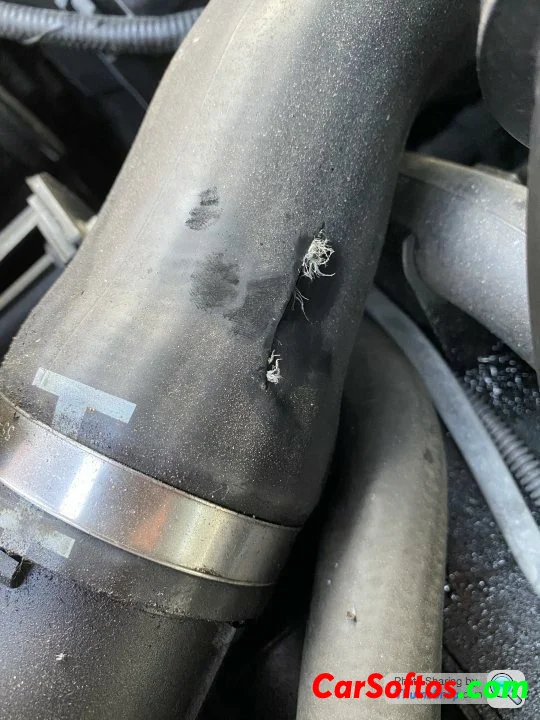
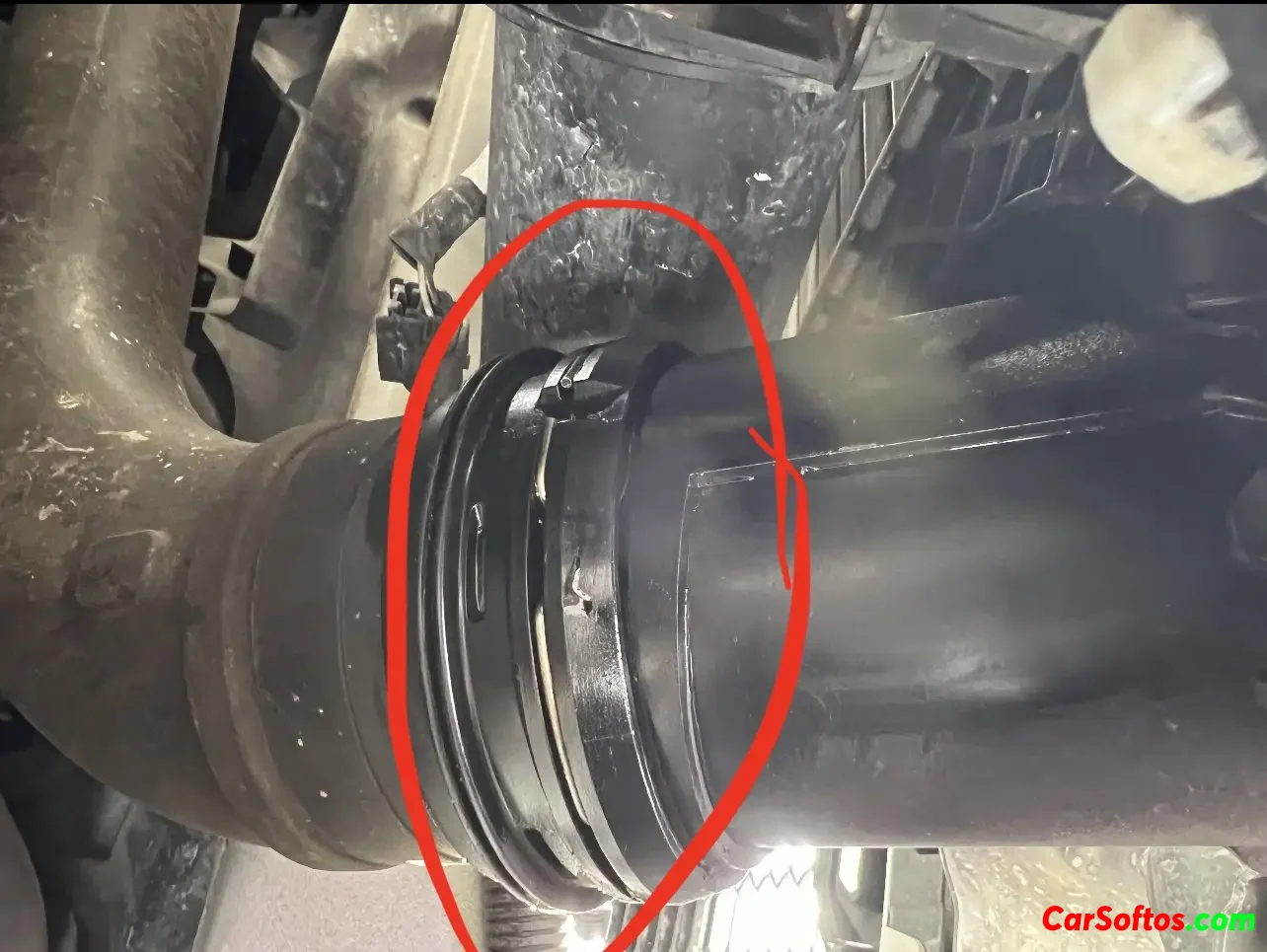
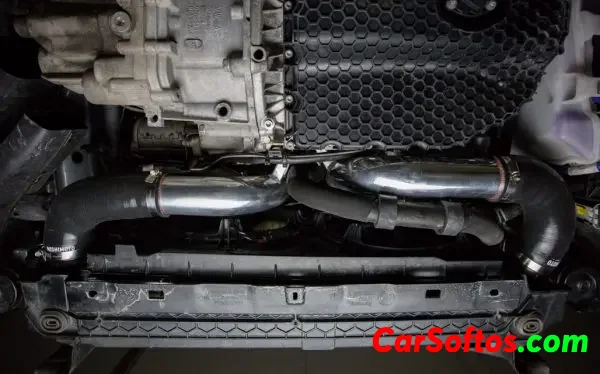
Cracked hoses, loose clamps, or intercooler leaks allow boost pressure to escape.
2. Faulty Turbocharger
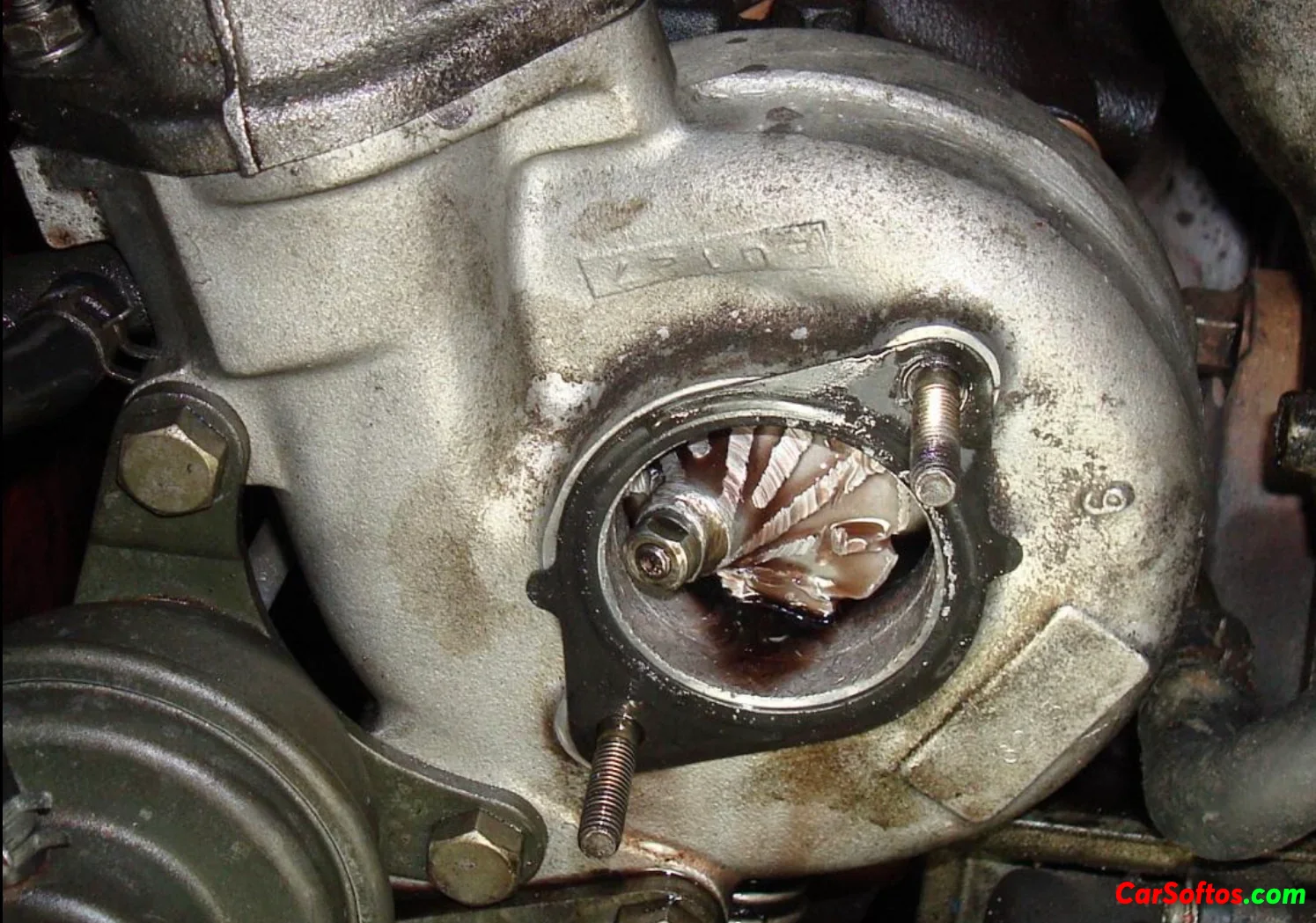
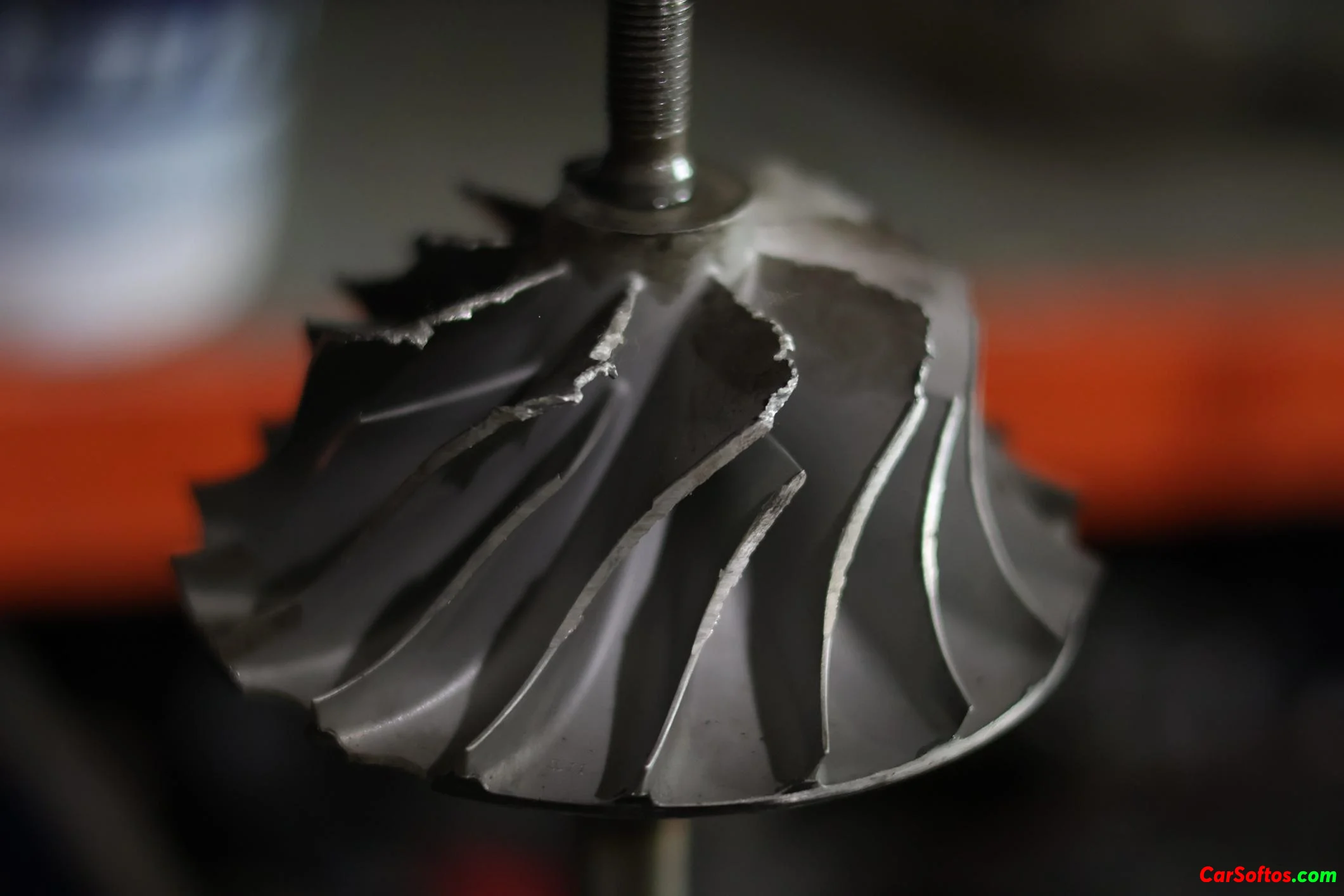
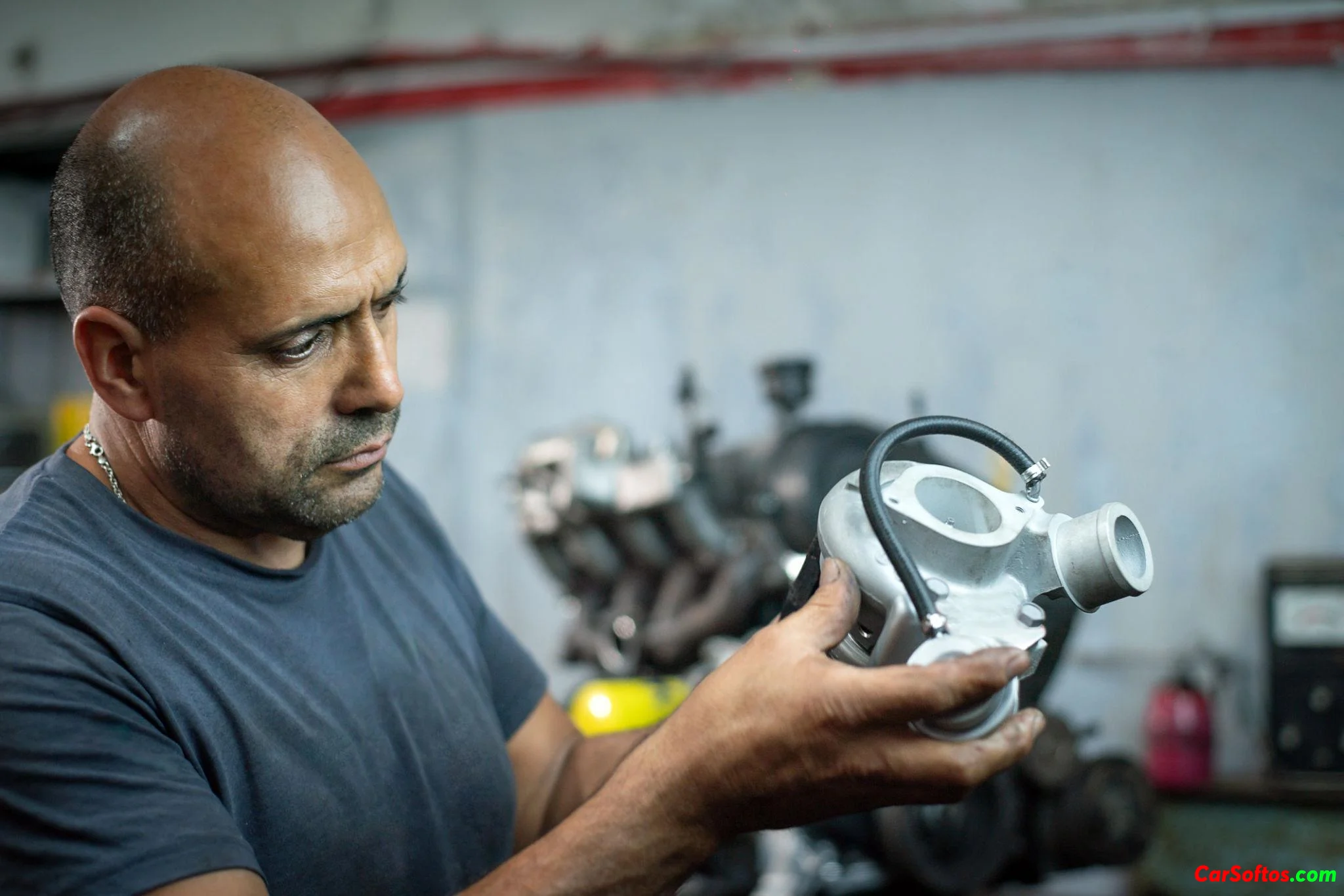
Internal wear, damaged blades, or excessive shaft play reduce boost efficiency.
3. Wastegate Malfunction
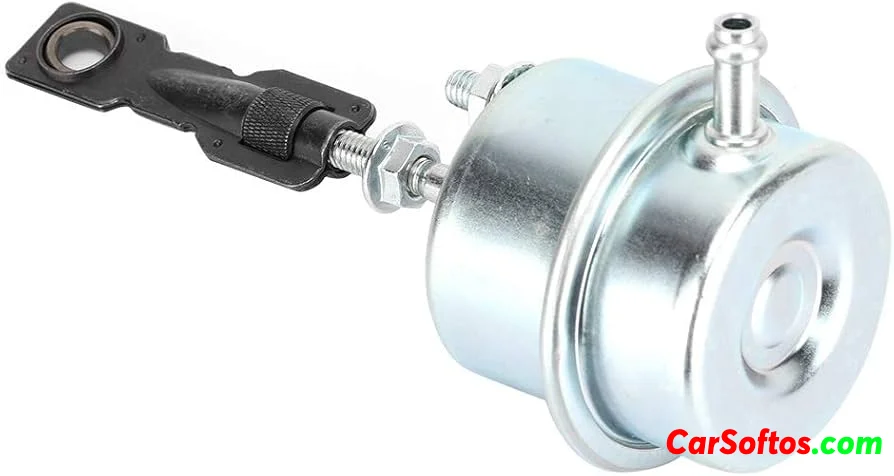
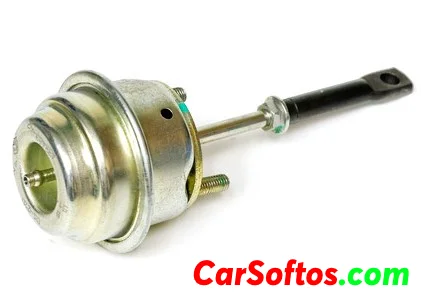
If the wastegate is stuck open, the turbo cannot build pressure.
How to Diagnose P0299
Step 1: Scan for Additional Codes
Step 2: Inspect Boost Hoses
Step 3: Check Wastegate Operation
Step 4: Compare Actual vs Requested Boost
Step 5: Inspect Turbocharger Shaft Play
| Problem | Repair Cost |
|---|---|
| Boost hose repair | $50 – $200 |
| Boost solenoid | $100 – $300 |
| MAP sensor | $150 – $400 |
| Turbo replacement | $800 – $2500 |
Can You Drive With a P0299 Code?
Driving short distances is possible, but not recommended.
Ignoring the issue can lead to full turbo failure.
Final Thoughts
The P0299 Turbo Underboost code is one of the most common turbo-related issues in modern vehicles.
In many cases, the problem is a simple boost leak rather than a failed turbo.
Early diagnosis saves money.

Tags:
Users of Guests are not allowed to comment this publication.