Top 10 OBD Codes That Are Usually Safe to Drive With (But Shouldn’t Be Ignored)
26-02-2026, 00:02. Posted by: carsoftos777
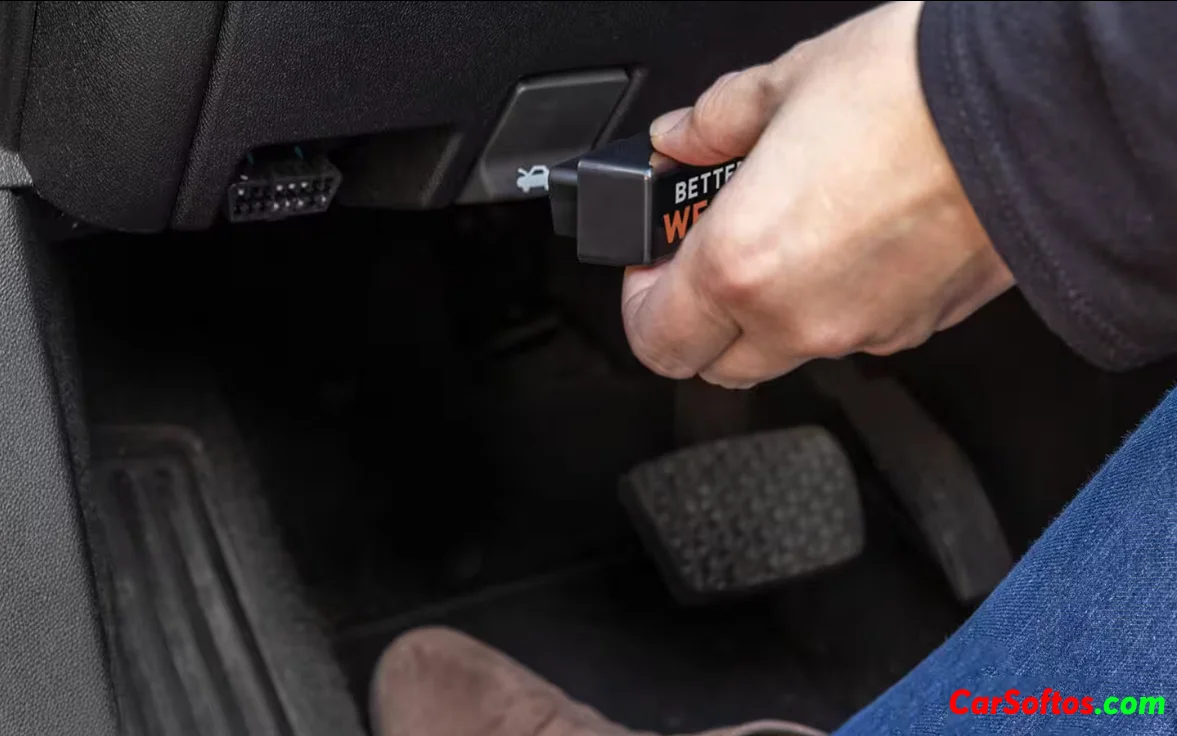
If your Check Engine Light is flashing, stop driving immediately.
A flashing light usually indicates active misfire that can damage the catalytic converter.
The list below applies to solid check engine lights only, where the car runs normally.
🔟 OBD Codes That Are Often Safe for Short-Term Driving
1️⃣ P0456 – EVAP Very Small Leak
Usually caused by a loose gas cap.
No drivability issues in most cases.
2️⃣ P0440 – EVAP System Malfunction
Often gas cap, purge valve, or small hose issue.
3️⃣ P0455 – EVAP Large Leak
Still usually safe to drive, but should be fixed.
4️⃣ P0128 – Coolant Temperature Below Thermostat Regulating Temperature
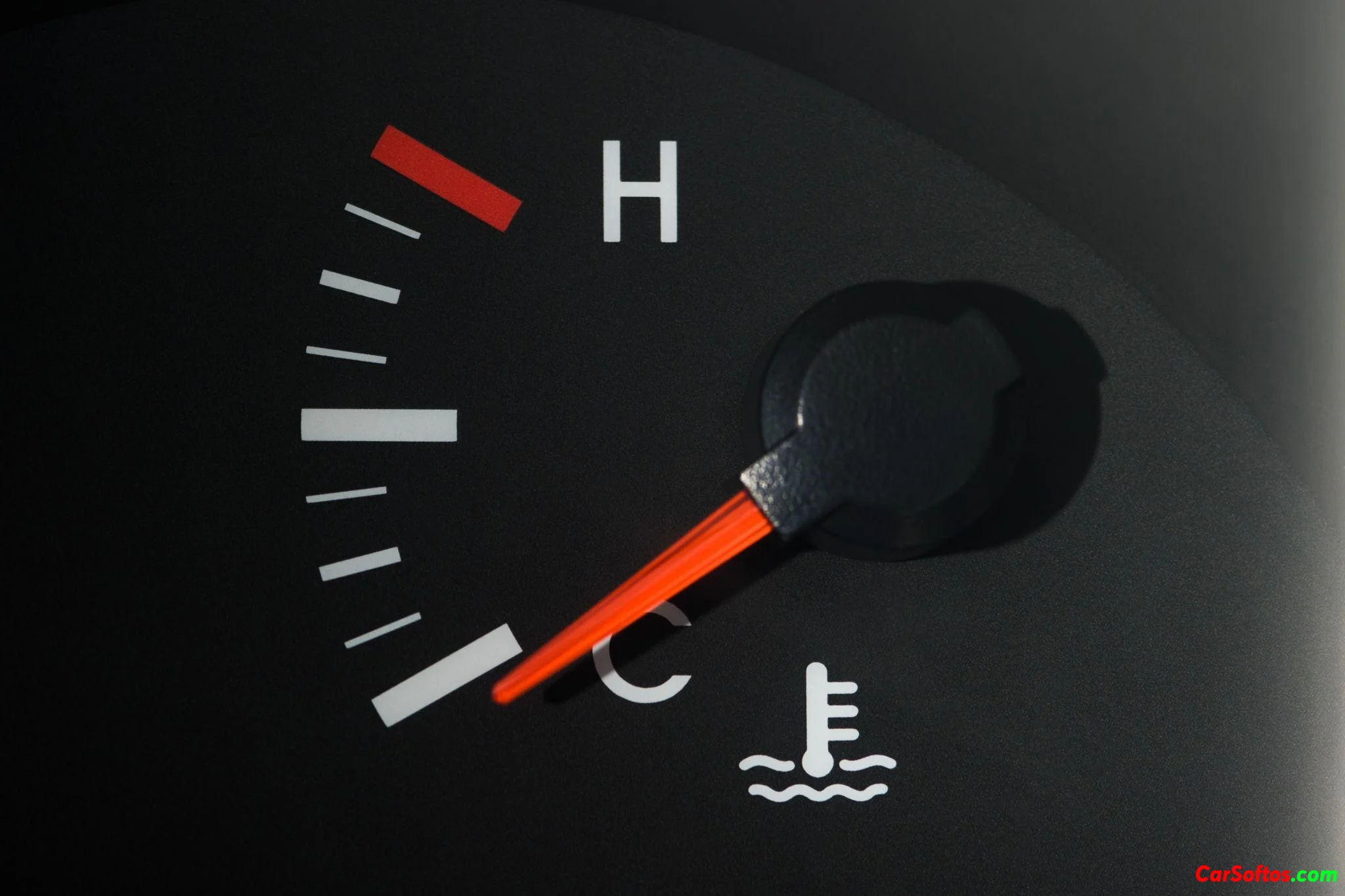
Engine runs too cool.
Typically thermostat-related.
Safe short-term, but reduces fuel economy.
5️⃣ P0133 – O2 Sensor Slow Response
May not affect drivability immediately.
6️⃣ P0171 – System Too Lean (Mild Case)
If no misfires or power loss, short-term driving is possible.
Should be diagnosed soon.
7️⃣ P0172 – System Too Rich (Mild Case)
Can be safe short-term, but may damage catalytic converter over time.
8️⃣ P0500 – Vehicle Speed Sensor
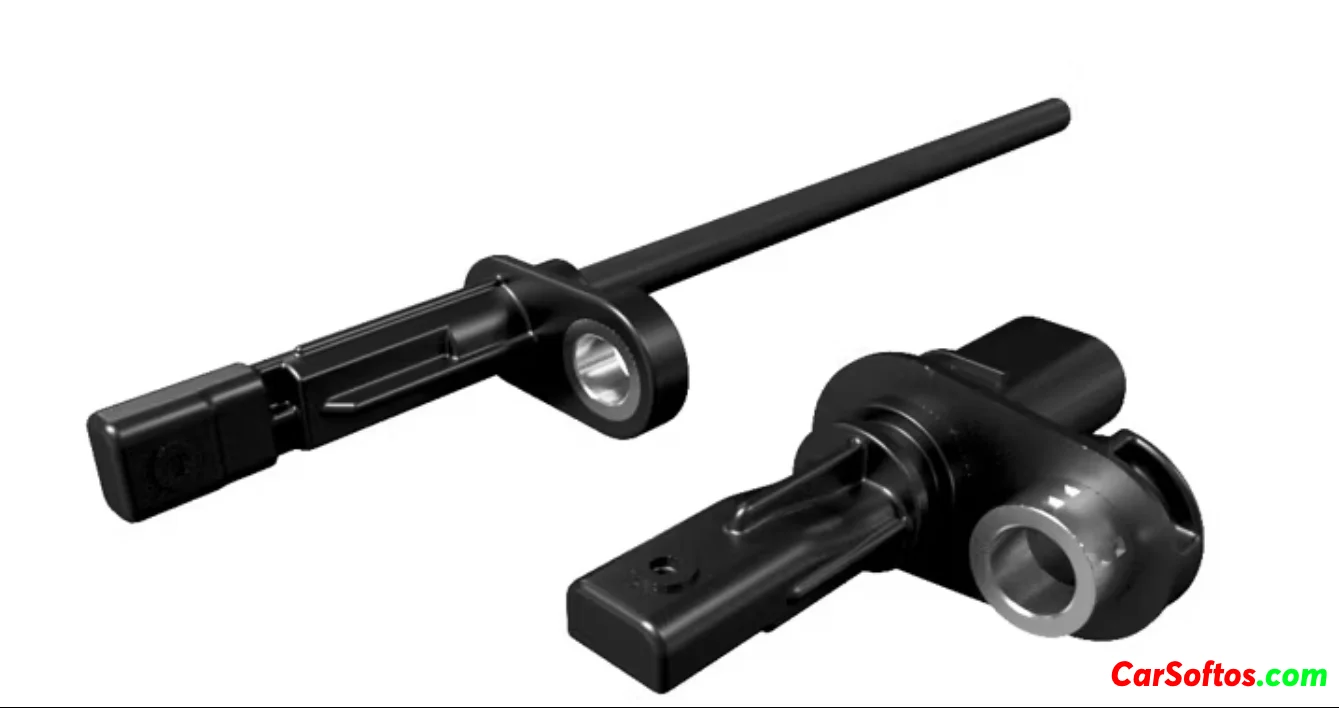
May affect speedometer or ABS.
Engine usually runs fine.
9️⃣ P0442 – Small EVAP Leak
Very similar to P0456.
No performance issues.
🔟 P0101 – MAF Performance (Mild Case)
If the car runs normally and no severe hesitation occurs, it may be safe short-term.
🚫 Codes That Are NOT Safe to Drive With
-
P0300 (Flashing light)
-
P0335 (Crankshaft sensor – may stall)
-
P0087 (Low fuel pressure – may lose power)
-
Overheating codes
-
Oil pressure codes
These can cause engine damage or unsafe driving conditions.
🔎 How to Know If It’s Safe
It’s usually safe for short-term driving if:
✔ Light is solid
✔ No overheating
✔ No flashing CEL
✔ No loss of power
✔ No stalling
If any of those occur — stop driving.
FAQ
Can I drive with a check engine light on?
Yes, if it’s solid and the car runs normally.
Is a flashing check engine light dangerous?
Yes — stop driving immediately.
How long can I drive with EVAP codes?
Usually safe short-term, but repair soon.
Final Thoughts
Not all OBD codes require immediate towing.
But none should be ignored long-term.
The key is understanding the difference between:
-
minor emissions issues
-
and engine-damaging faults
come back