Can You Drive With the Check Engine Light On? (Complete Driver Guide)
15-02-2026, 11:15. Posted by: carsoftos777
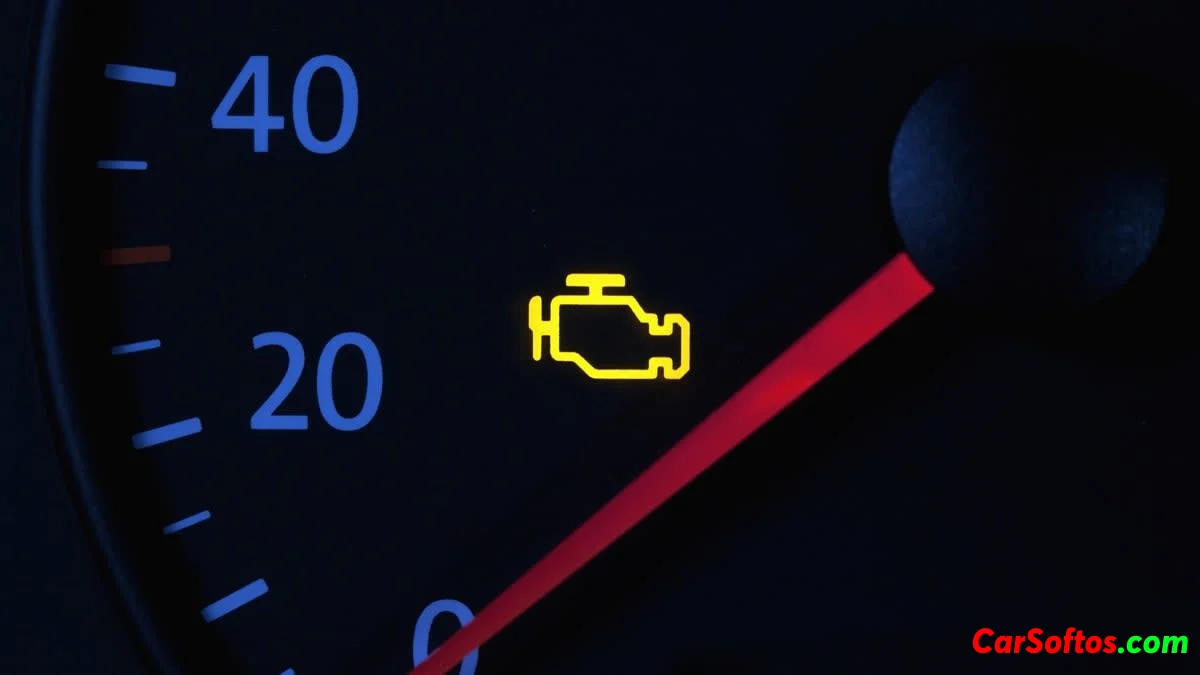
The Check Engine Light (CEL) is one of the most common warning lights drivers see.
It means the vehicle’s computer has detected a problem related to:
-
engine performance
-
emissions system
-
fuel mixture
-
ignition system
-
sensors or electronics
In many cases, the car may still drive normally — but the warning should never be ignored.
Flashing vs Solid Check Engine Light (VERY IMPORTANT)
🟡 Solid Check Engine Light
Usually indicates a non-critical issue.
Examples:
-
oxygen sensor problem
-
EVAP leak
-
thermostat issue
-
airflow sensor errors
The vehicle can often be driven short-term.
🔴 Flashing Check Engine Light
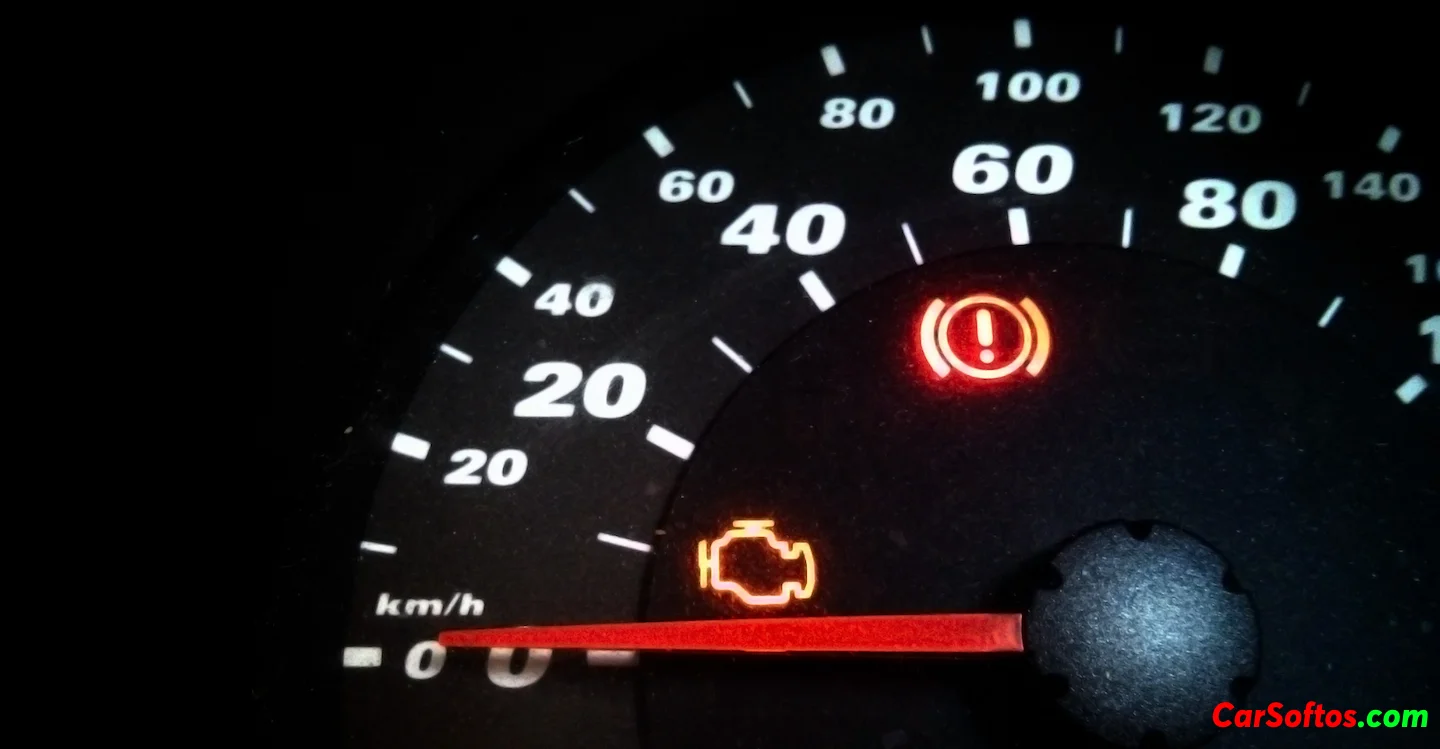
A flashing light means:
⚠ STOP driving as soon as safely possible.
This often indicates:
-
severe engine misfire
-
unburned fuel entering catalytic converter
-
risk of expensive damage
Continuing to drive may destroy the catalytic converter.
Most Common Reasons the Light Turns On
🔧 Engine Misfire (P0300 Series)
Very common.
Causes:
-
bad spark plugs
-
ignition coils
-
fuel injector issues
Symptoms:
-
shaking engine
-
power loss
🌬 Fuel Mixture Problems (P0171 / P0172)
Engine running:
-
too lean (not enough fuel)
-
too rich (too much fuel)
Often caused by:
-
dirty MAF sensor
-
vacuum leaks
-
fuel system faults
🚗 Emissions System Issues (EVAP Codes)
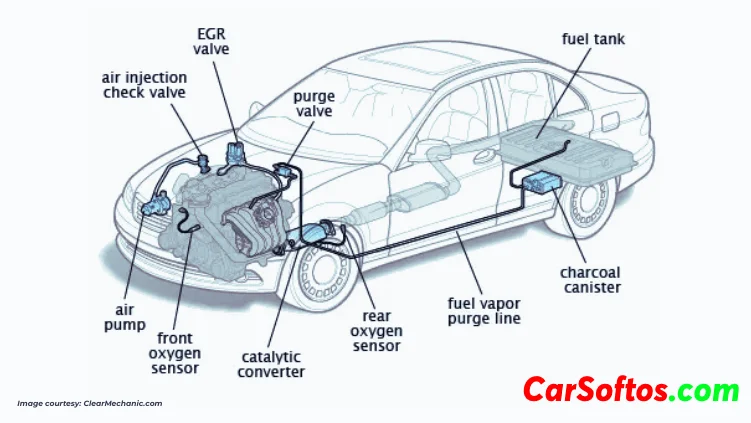
Very common and often harmless.
Examples:
-
loose gas cap
-
EVAP hose leaks
-
purge valve issues
Usually no driving symptoms.
❄ Cooling System Problems (P0128)
Engine does not warm up properly.
Often caused by:
-
faulty thermostat
-
coolant sensor issue
May reduce fuel economy.
⛽ Catalytic Converter Problems (P0420)
One of the most searched codes.
Possible causes:
-
aging catalytic converter
-
long-term misfires
-
oxygen sensor issues
Repair cost can be expensive.
Is It Safe to Drive With the Check Engine Light On?
✔ Usually Safe (Short Term)
If:
-
light is solid
-
no strange noises
-
vehicle drives normally
Drive carefully and diagnose soon.
❌ NOT SAFE If You Notice:
-
flashing light
-
engine shaking
-
power loss
-
loud knocking
-
overheating
In these cases, stop driving immediately.
What Happens If You Ignore It?
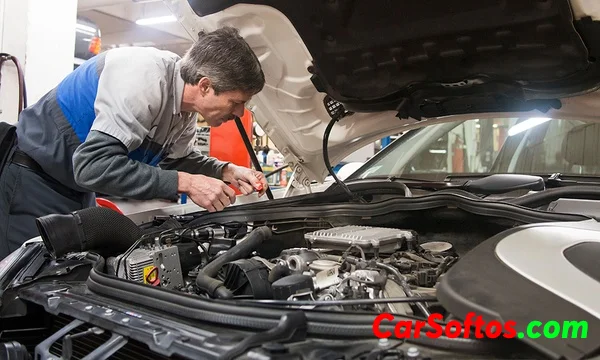
Ignoring the warning may lead to:
-
reduced fuel efficiency
-
catalytic converter damage
-
engine overheating
-
expensive repairs
Small problems often become big ones.
What Drivers Should Do First
Step 1 — Scan the Code
Use an OBD2 scanner (many are inexpensive).
Step 2 — Check If Light Is Flashing
Flashing = urgent.
Step 3 — Look for Symptoms
Engine shaking or power loss helps identify severity.
Step 4 — Avoid Guessing
Replacing random parts often wastes money.
Common Check Engine Light Codes
Most frequent codes drivers see:
-
P0300 – Random misfire
-
P0171 – System too lean
-
P0172 – System too rich
-
P0101 – MAF sensor
-
P0420 – Catalyst efficiency
-
P0128 – Thermostat performance
-
P0455 – EVAP leak
These codes make up a large percentage of warnings.
How Mechanics Diagnose Problems Correctly
Professional diagnosis includes:
-
live data analysis
-
fuel trim monitoring
-
smoke testing for leaks
-
sensor signal comparison
This prevents unnecessary repairs.
FAQ
Can I drive for weeks with the check engine light on?
Not recommended. Some issues worsen over time.
Will the light turn off by itself?
Sometimes — if the problem disappears — but diagnosis is still recommended.
Does check engine light always mean expensive repair?
No. Often it’s a minor sensor or gas cap issue.
Is it dangerous if the car feels normal?
Not always, but ignoring it long-term is risky.
Final Thoughts
The Check Engine Light is not always a sign of disaster — but it is always a warning.
Modern vehicles detect problems early, giving drivers time to fix issues before serious damage occurs.
The best strategy is simple:
➡️ scan early
➡️ diagnose correctly
➡️ repair before problems become expensive.
come back