P0125 Trouble Code — Bad Thermostat, Coolant Temp Sensor, or Low Coolant?
15-04-2026, 08:03. Posted by: carsoftos777
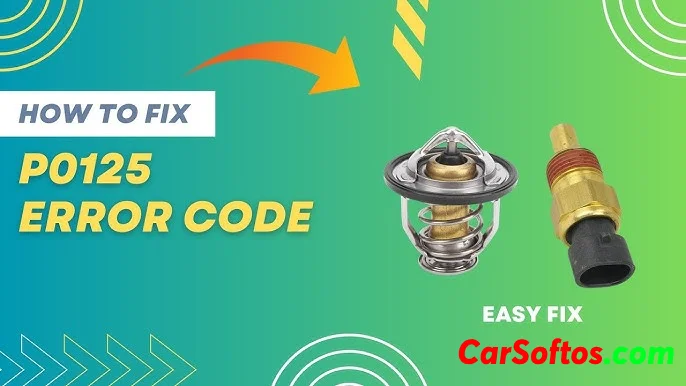
P0125 is the generic OBD-II code for “Insufficient Coolant Temperature for Closed Loop Fuel Control.” In factory diagnostic information, the code sets when engine coolant temperature does not rise enough, fast enough, for the ECM to enter normal closed-loop fuel control. Toyota service manuals describe this as the engine failing to reach the temperature needed for closed-loop operation within a monitored time window, and they point first to the thermostat, cooling system, and ECT sensor as the main trouble areas.
👉 In simple words:
Your engine computer is saying:
- the engine is staying too cold
- or the coolant temperature reading looks wrong
- so fuel control never switches to normal warm-engine mode.
⚙️ What “Closed Loop Fuel Control” Means
When the engine is cold, the ECM uses preset fuel maps and usually runs the mixture richer. Once the engine warms up enough, it starts using oxygen/A/F sensor feedback to fine-tune the mixture. Toyota’s manuals for P0125 explicitly connect the code to this warm-up threshold for closed-loop operation.
That is why P0125 often causes:
- poor fuel economy
- slow warm-up
- weak cabin heat
- rich running during cold operation. This symptom pattern follows directly from the code’s definition and the ECM’s warm-up strategy.
⚠️ How Serious Is P0125?
Severity: ⭐⭐⭐☆☆ to ⭐⭐⭐⭐☆
P0125 usually is not an immediate engine-killer code, but it should not be ignored. Factory diagnostics treat it as a cooling-system or temperature-signal problem, and the most common real causes are a stuck-open thermostat, faulty ECT sensor, low coolant, or cooling-system faults. If ignored, it can lead to wasted fuel, poor heater performance, unstable warm-up behavior, and in some cases hide a larger cooling-system problem.
🚨 Common Symptoms of P0125
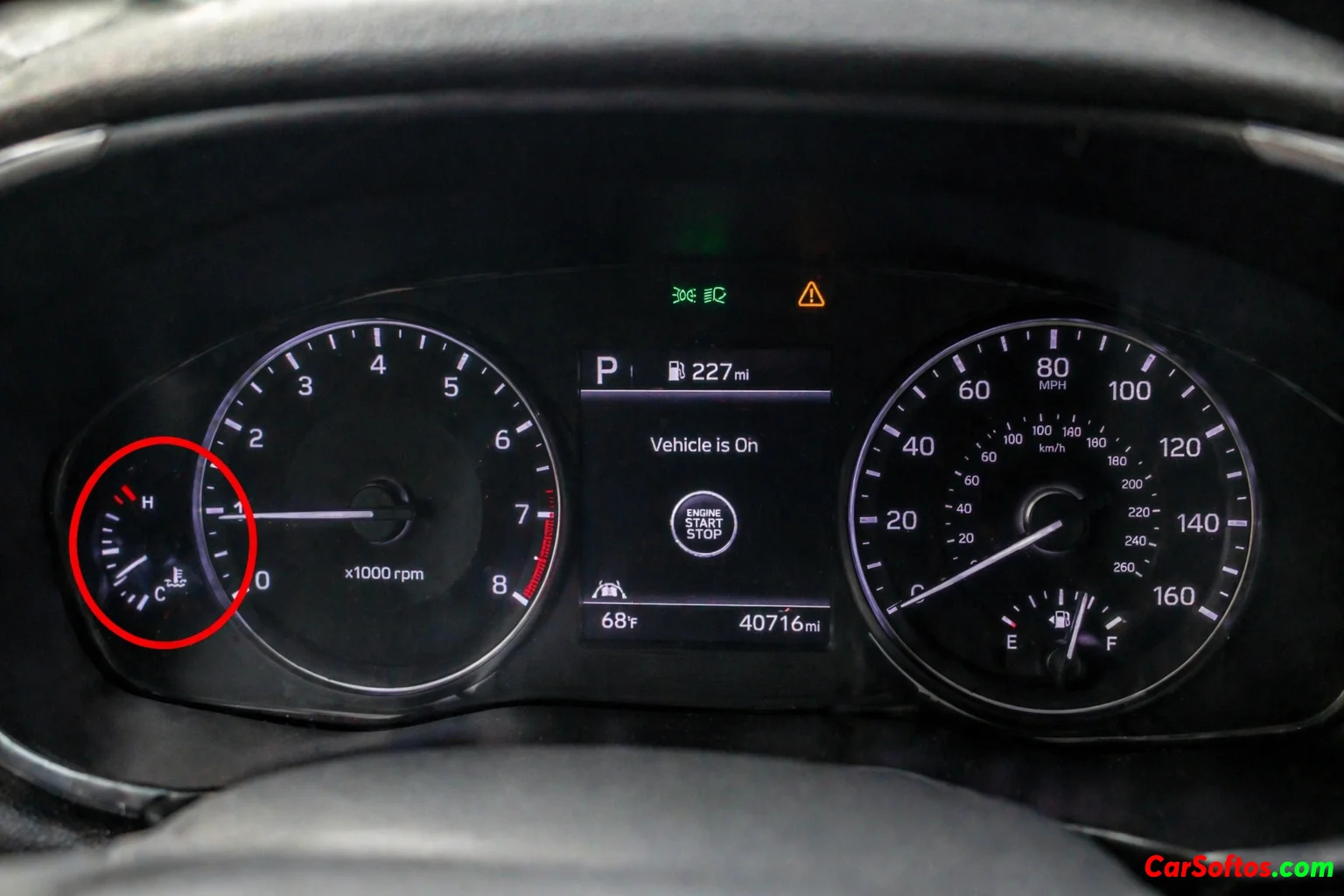
Typical symptoms include:
- ⚠️ Check Engine Light
- ⚠️ engine takes too long to warm up
- ⚠️ temperature gauge stays lower than normal
- ⚠️ weak cabin heat
- ⚠️ poor fuel economy
- ⚠️ rough cold idle on some vehicles
- ⚠️ cooling fans behaving oddly on some platforms
- ⚠️ code comes back after clearing in cold weather.
These symptoms match the causes listed in manufacturer and repair references for P0125.
🧠 Most Common Causes of P0125
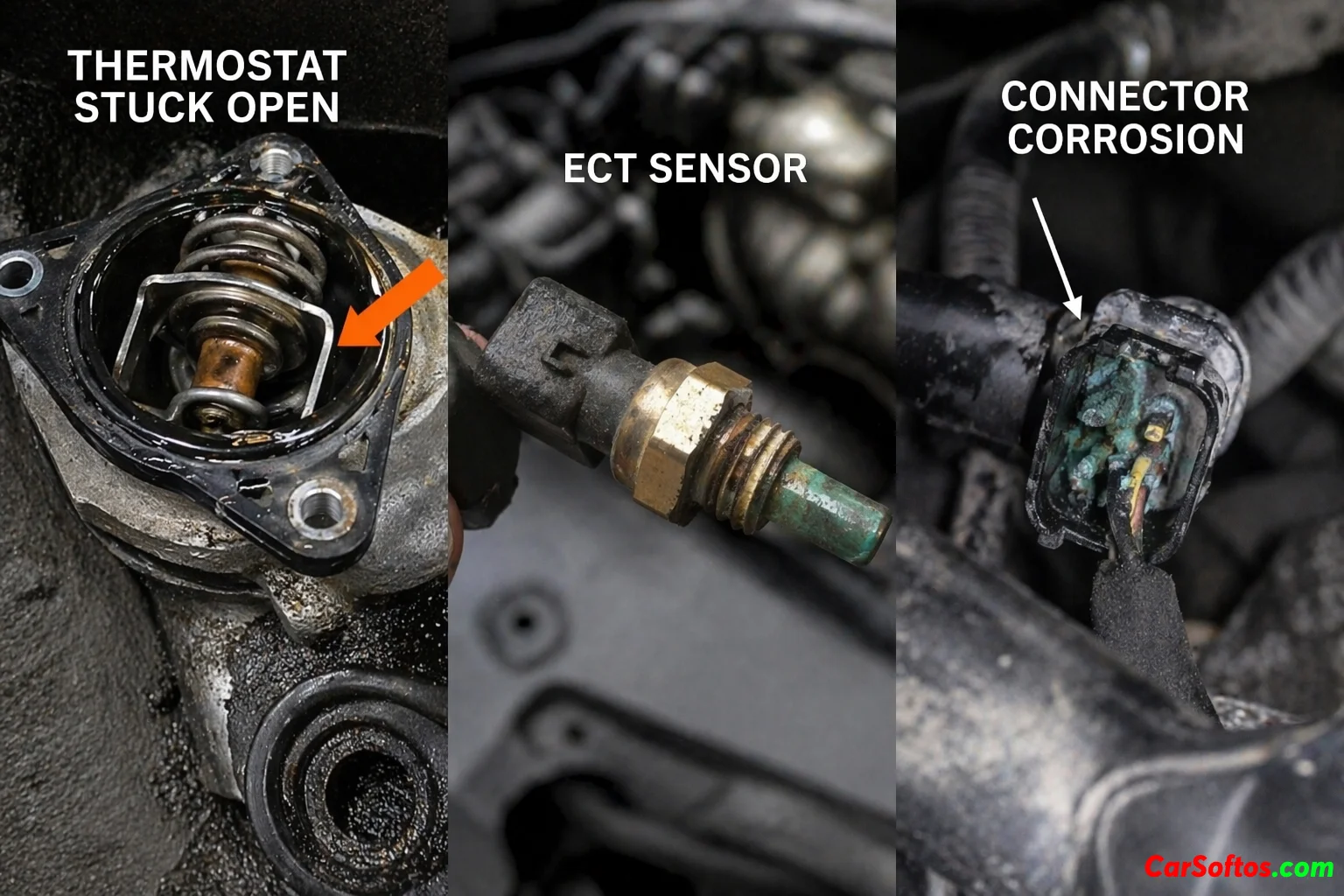
1️⃣ Thermostat stuck open — most common
This is one of the biggest real-world causes. Toyota factory diagnostics for P0125 explicitly tell technicians to inspect the thermostat and verify that coolant temperature reaches the required level during warm-up. A thermostat stuck open lets coolant circulate through the radiator too early, so the engine warms up too slowly.
2️⃣ Faulty engine coolant temperature sensor
A bad ECT sensor can send a temperature reading that looks too low or behaves implausibly. Mitsubishi service information lists the ECT sensor as one of the primary causes for P0116-style temperature performance faults, and the same logic applies here because P0125 depends on believable coolant temperature data.
3️⃣ Low coolant or air trapped in the cooling system
Factory diagnostic charts include the cooling system itself as a possible trouble area. Low coolant or trapped air can make the sensor see the wrong temperature or make warm-up unstable.
4️⃣ Wiring or connector damage
A corroded connector, broken wire, or unstable sensor circuit can distort the ECT reading. Manufacturer-style diagnostics for coolant temperature faults consistently include harness and connector checks.
5️⃣ Wrong thermostat / aftermarket thermostat issue
If the wrong temperature thermostat is installed, or the replacement part opens too early, the ECM may still think the engine never gets warm enough. This is consistent with the diagnostic emphasis on thermostat opening temperature.
6️⃣ Less commonly: cooling-system circulation problems
Water pump flow issues, internal blockage, or unusual cooling-system faults can also contribute, though they are less common than thermostat and sensor problems.
🌡️ Why P0125 Is Often Misdiagnosed
A lot of people replace the coolant temp sensor immediately. Sometimes that works, but P0125 is very often a thermostat code in disguise. Toyota’s own diagnostic path for P0125 gives the thermostat and cooling system a central role, which is why replacing only the sensor can waste time and money.
👉 Simple rule:
- sensor signal wrong → ECT sensor / wiring
- engine warms up too slowly → thermostat stuck open is very likely
- coolant low / air in system → fix cooling system first.
🔧 Step-by-Step Diagnosis
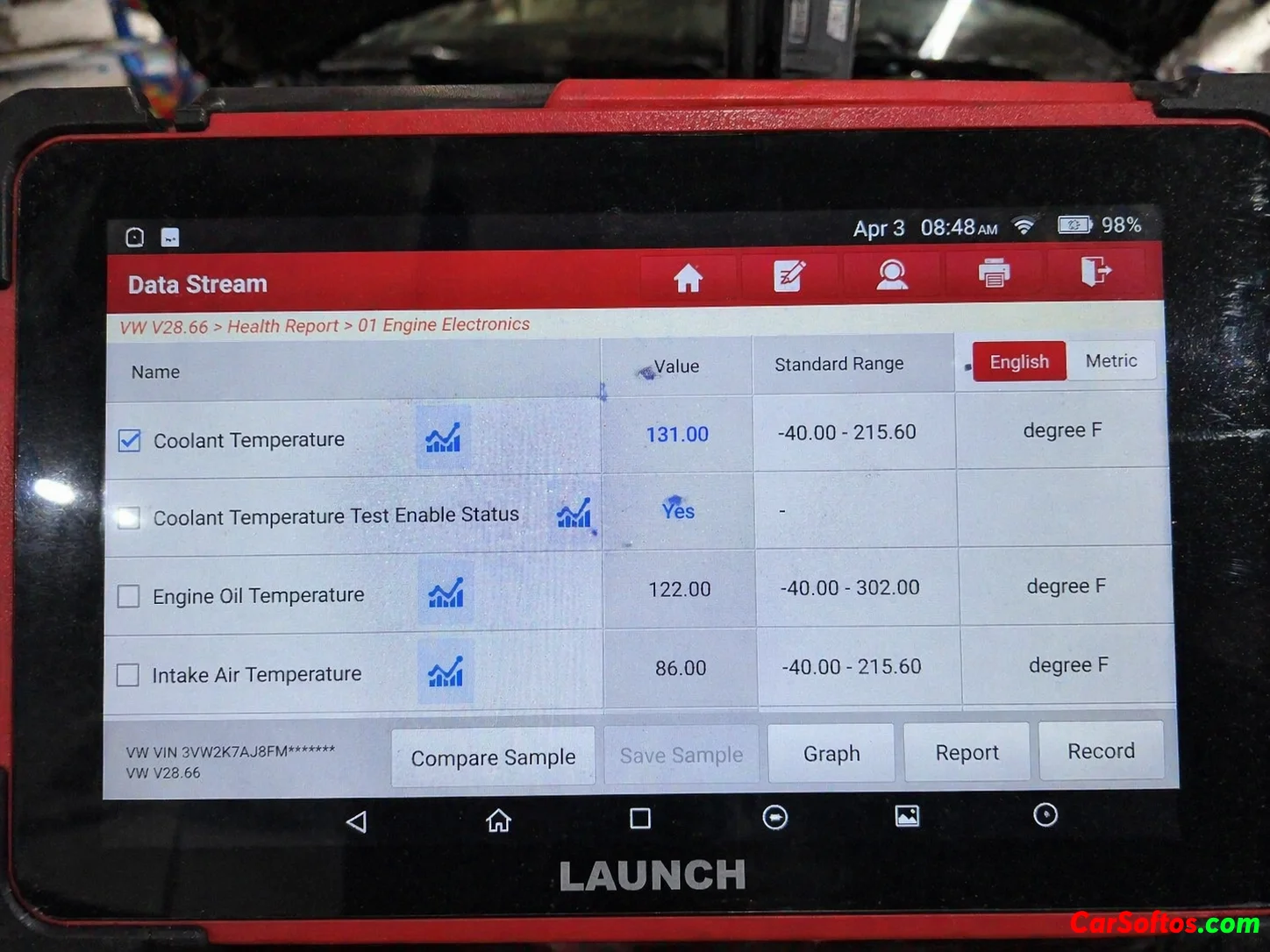
1️⃣ Scan all codes first
Check whether P0125 appears alone or with related codes like:
- P0115 — ECT circuit malfunction
- P0116 — ECT range/performance
- P0117 — ECT low input
- P0118 — ECT high input
- P0128 — thermostat below regulating temperature.
If a more basic ECT circuit code is present, fix that first. This approach matches manufacturer-style diagnostic flowcharts.
2️⃣ Check live coolant temperature data
On a cold engine, coolant temp should be close to outside temperature. Then it should rise steadily after startup. Toyota’s P0125 monitor strategy is based on whether coolant temperature reaches a closed-loop threshold within a set time.
👉 Red flags:
- temp reading unrealistically low from the start
- temp rises extremely slowly
- temp drops too much while driving
- gauge stays cold and heater stays weak
3️⃣ Inspect coolant level
Check the radiator and reservoir only when the engine is cold. If coolant is low, the sensor reading may be unreliable and the engine may not warm correctly.
4️⃣ Inspect the ECT sensor and connector
Look for:
- green corrosion
- loose connector
- broken lock tab
- oil or coolant contamination
- damaged wiring near the thermostat housing.
Connector and harness issues are common enough that they should always be checked before replacing parts blindly.
5️⃣ Test the thermostat
This is the key step.
If the engine takes a long time to reach normal temp, the upper radiator hose warms too early, the temp gauge stays low, and heater output is weak, the thermostat may be stuck open. Toyota factory diagnostics explicitly tell technicians to verify thermostat operation and opening temperature.
6️⃣ Confirm repair with a drive cycle
After repair, clear the code and confirm that coolant temperature now rises normally and closed-loop operation begins at the expected time. This follows directly from how the monitor works.
🛠️ How to Fix P0125
✔️ Replace the thermostat
If the engine warms up too slowly, this is often the real fix. On many vehicles, P0125 + slow warm-up + weak heater = thermostat first.
✔️ Replace the coolant temperature sensor
If live data is clearly wrong and the thermostat/wiring check out, the ECT sensor is a common and relatively inexpensive repair.
✔️ Repair wiring or connector damage
If the signal is unstable because of corrosion or broken wiring, the circuit must be repaired before the code will stay gone.
✔️ Correct coolant level and bleed the system
If coolant is low or air is trapped, the reading can stay abnormal until the system is properly filled and bled.
✔️ Rarely, diagnose deeper cooling-system issues
Blocked passages, circulation issues, or wrong replacement parts can keep the engine too cold even after simple repairs.
💰 Typical Repair Cost
Practical market-style estimates:
| Repair | Typical cost |
|---|---|
| Coolant temp sensor | $40–$180 |
| Thermostat replacement | $120–$450 |
| Coolant top-up / bleed | $50–$180 |
| Connector or wiring repair | $20–$200 |
| Advanced diagnosis | $80–$180 |
These are broad market estimates, not factory flat-rate pricing. The important thing is that P0125 is usually much cheaper to fix than turbo or DSG codes, but it can keep returning until the true cause is found. That conclusion follows from the manufacturer-supported causes and repair paths.
❗ Common Mistakes
❌ Replacing the sensor without checking the thermostat
This is the biggest one. Factory diagnostics for P0125 make thermostat testing a major step.
❌ Ignoring weak cabin heat
Weak heater performance often means the engine is truly staying too cold, which strongly points toward a thermostat stuck open. This is a mechanical inference supported by the warm-up logic behind P0125 and the common cause list.
❌ Clearing the code without checking coolant level
If coolant is low or air is trapped, the code can come right back.
❌ Confusing P0125 with P0128
They overlap a lot, but P0125 is specifically tied to closed-loop fuel control not being reached, while P0128 is more explicitly about thermostat regulation temperature being too low. Both often point toward the same real-world thermostat problem.
⚖️ P0125 vs Related Codes
P0125
Insufficient coolant temperature for closed-loop fuel control — engine does not warm enough, fast enough, for normal fuel feedback operation.
P0116
ECT range/performance — temperature signal exists, but the ECM does not trust how it behaves.
P0117
ECT low input — signal too low.
P0118
ECT high input — signal too high.
P0128
Coolant thermostat below regulating temperature — often the nearest neighboring thermostat code.
👉 Simple explanation:
- P0125 = engine stays too cold for closed loop
- P0128 = thermostat temp too low
- P0116 = temp reading behaves wrong
- P0117 / P0118 = temp signal too low / too high
🚗 Can You Drive With P0125?
Yes, usually for a short time — but don’t ignore it.
If the car still drives normally, short-term driving is usually possible. But if the engine never warms properly, the heater stays weak, fuel economy worsens, or coolant level is low, the car should be diagnosed soon. The risk is usually not instant failure — it is running inefficiently and missing a real cooling-system problem.
📌 Final Verdict
P0125 usually means the engine is not getting warm enough, fast enough, for the ECM to enter normal closed-loop fuel control. The most common real causes are a stuck-open thermostat, faulty coolant temperature sensor, low coolant, or ECT wiring/connector problems. Factory Toyota diagnostic information strongly supports thermostat and cooling-system checks as the center of the repair path.
come back