P2002 DPF Code — Soot Load, Pressure Sensor or Failed Regeneration?
1-04-2026, 16:25. Posted by: carsoftos777
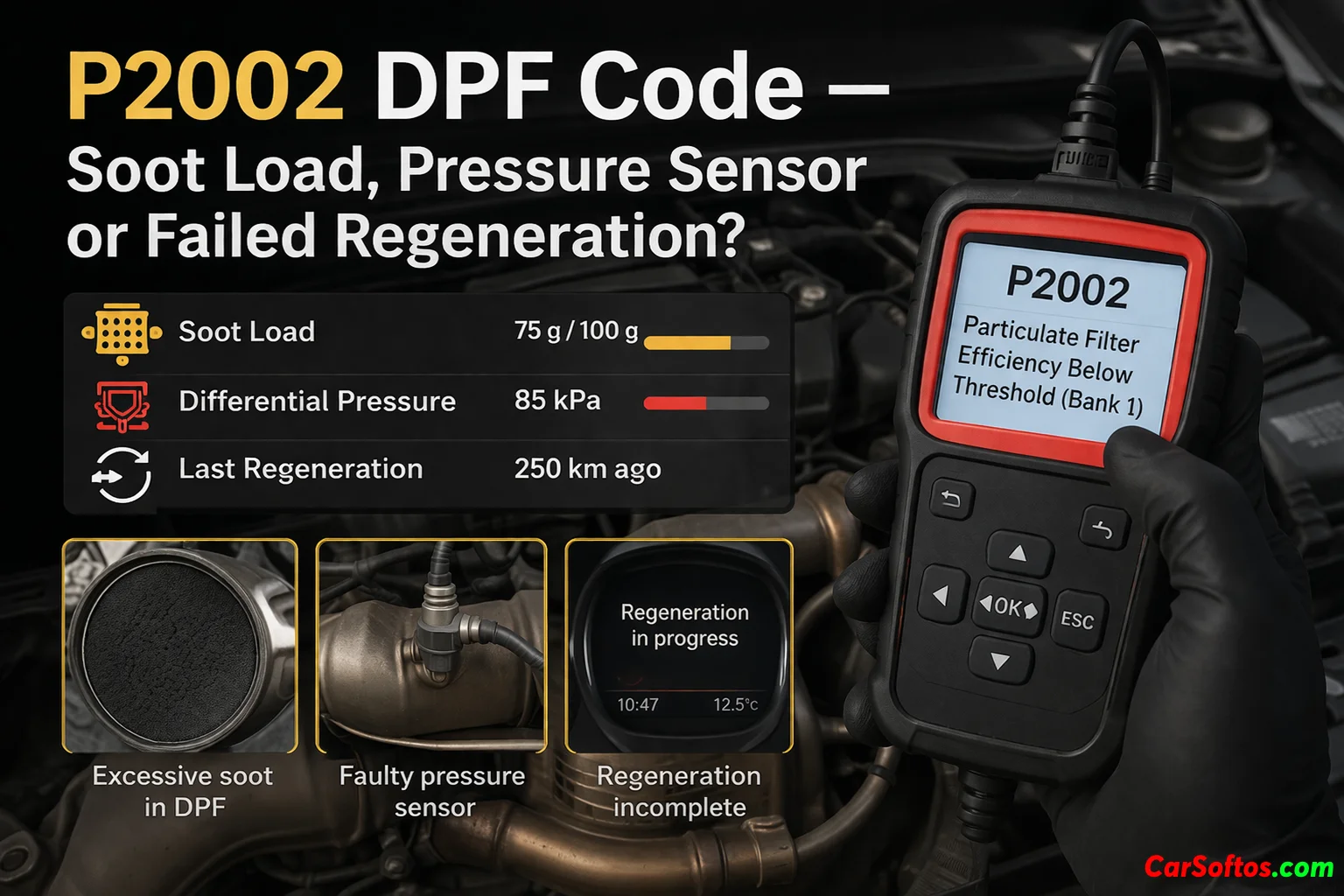
The P2002 code means the engine computer believes the diesel particulate filter (DPF) is not reducing soot efficiently enough. On many vehicles, the ECU compares pressure before and after the DPF to judge how well the filter is working. If the pressure behavior is outside the expected range for long enough, it stores P2002 — Particulate Filter Efficiency Below Threshold / Bank 1.
This is a very important diesel code because it usually points to one of two things:
the DPF is loaded with soot / not regenerating correctly, or the system is being misled by bad sensor data or leaks. Ross-Tech specifically lists the exhaust pressure sensor (G450) and the DPF itself as key causes on VAG vehicles, while generic DTC references also point to failed regeneration and excessive soot loading.
🧠 What the DPF Actually Does
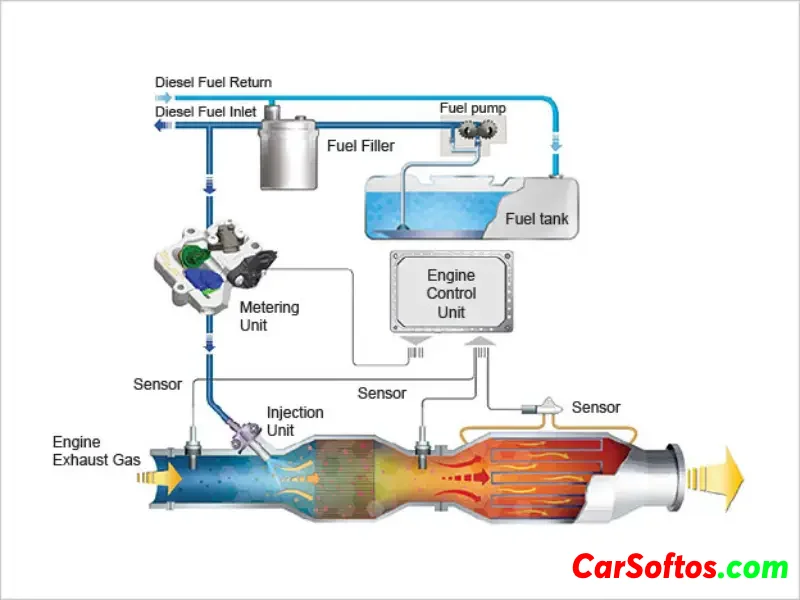
A diesel particulate filter is designed to trap soot particles from the exhaust. Over time, the filter fills up, so the vehicle has to perform a regeneration cycle to burn that soot off at very high exhaust temperature. If regeneration happens normally, the DPF can keep working for a long time. If regeneration fails repeatedly, soot loading rises until the ECU sets faults like P2002.
That is why P2002 is not always “replace the DPF”. Sometimes the filter is truly worn or ash-loaded, but many times the real problem is that the car is not completing regens, or the ECU is getting incorrect differential-pressure readings from the pressure sensor circuit. Ross-Tech even notes factory issues on some VAG diesels where the G450 pressure sensor caused incorrect soot-load calculations and unsuccessful regeneration cycles.
🚨 Why P2002 Is a Big Deal
Unlike a minor emissions code, P2002 often means the aftertreatment system is already struggling. If the DPF stays overloaded, the vehicle may start doing frequent regens, fuel economy may drop, oil dilution may increase, and power can fall off. Some references also note reduced performance and limp strategies when the system can no longer keep soot load under control.
Ignoring it for too long can make the repair much more expensive. A car that might have been fixed with a forced regen, pressure sensor, or leak repair can eventually need a professional cleaning or even DPF replacement if the filter becomes too loaded or contaminated with ash.
⚠️ Common Symptoms of P2002
Typical symptoms include:
- Check Engine Light
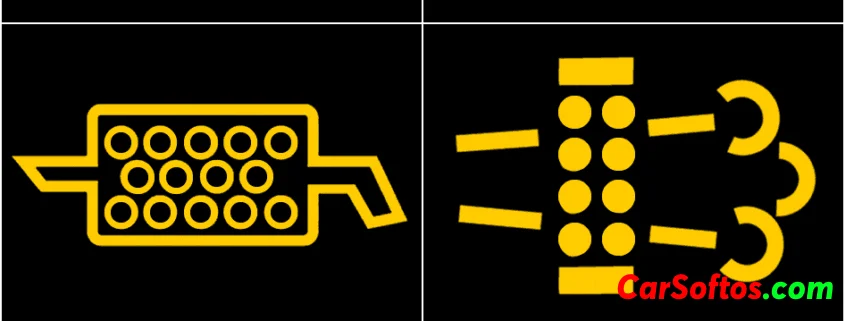
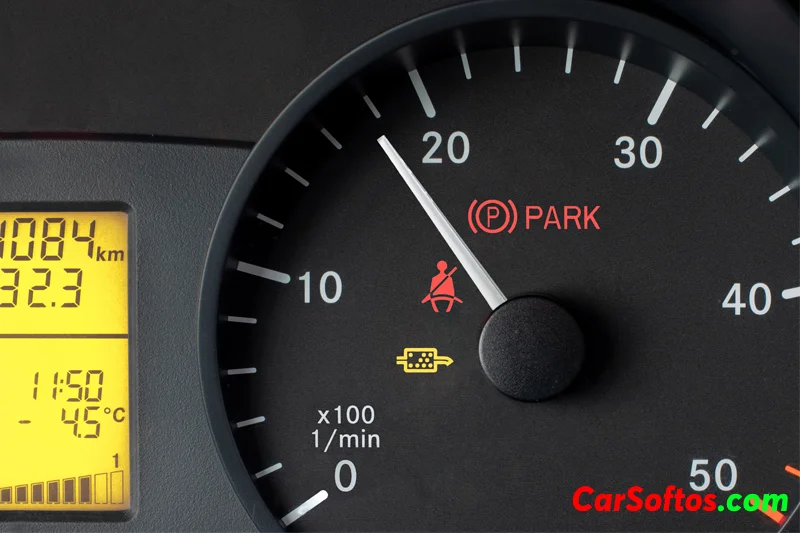
- DPF warning light on some vehicles
- reduced power
- sluggish acceleration
- frequent regeneration attempts
- worse fuel economy
- sometimes excessive exhaust heat
- in more advanced cases, limp mode
One detail many owners miss: the car may still drive “okay” at first, especially if the filter is only moderately loaded. That is why P2002 often gets delayed until the problem becomes expensive.
🔧 Most Common Causes of P2002
1️⃣ DPF clogged with soot
This is the classic cause. If the vehicle does lots of short trips, low-speed driving, or interrupted regens, the DPF can collect too much soot and eventually fail the efficiency test. Generic references specifically mention that diesels need enough exhaust temperature for the DPF to work properly, and repeated short/slow driving can push the filter into overload.
2️⃣ Failed or incomplete regeneration
The DPF may still be physically okay, but if the engine is not completing its regen strategy, soot keeps building up. This can happen because of driving pattern, but also because other engine faults prevent regeneration from running correctly.
3️⃣ Faulty exhaust differential pressure sensor
On VAG vehicles this is a major cause. Ross-Tech identifies the Exhaust Pressure Sensor (G450) as one of the main suspects for P2002. If the sensor reads wrong, the ECU may think the DPF is inefficient even when the real problem is the pressure signal itself.
4️⃣ Exhaust leak before the DPF / pressure reading issue
A leak before or around the DPF pressure measurement path can distort pressure readings and trigger P2002. Some general diagnostic references also mention air leaks forward of the DPF as a possible reason for false or misleading differential-pressure behavior.
5️⃣ DPF physically damaged or ash-loaded
If the filter substrate is cracked, melted, contaminated, or simply full of non-burnable ash, normal regeneration may no longer restore efficiency. At that point cleaning or replacement may be required.
6️⃣ Other faults blocking regeneration
If the engine has boost leaks, fueling problems, EGR issues, or other emissions faults, the ECU may not allow proper regeneration. That is why experienced diesel diagnosis never treats P2002 as an isolated code until the full fault list is checked.
📊 P2002 vs “Bad DPF” — Why People Misdiagnose It
One of the biggest mistakes is assuming:
P2002 = replace the DPF
That is often wrong.
Ross-Tech’s own VAG guidance clearly shows the pressure sensor can be a direct cause. Generic diesel references also explain that regeneration failure and soot loading are central to this code, which means the real fix may be driving pattern correction, sensor replacement, forced regeneration, fixing another fault, or DPF cleaning — not immediately replacing the filter.
This is exactly why P2002 is such a high-value search topic: owners are often afraid they need an expensive DPF, but the actual root cause may still be diagnosable and repairable for much less.
🔎 How to Diagnose P2002 Properly
Step 1: Scan for all stored codes
Do not diagnose P2002 alone. Check for:
- EGR faults
- boost leaks / turbo faults
- fueling issues
- sensor faults
- regen-related faults
Other faults may explain why the DPF could not regenerate correctly.
Step 2: Check DPF soot load / regen history
A proper scan tool can usually show:
- soot load
- ash load
- regen counter
- last regeneration status
If soot load is high and regens are failing, that is a very different case than a fresh P2002 caused by a pressure sensor issue.
Step 3: Inspect the differential pressure sensor and hoses
On many VAG vehicles this is one of the smartest early checks. Ross-Tech specifically names G450 and even notes factory sensor problems on some applications.
Step 4: Check for exhaust leaks and pressure hose problems
Leaks or damaged sensor hoses can create false DPF efficiency readings.
Step 5: Determine whether a forced regen is still possible
If the filter is soot-loaded but not yet beyond limits, a forced regen may restore normal operation — but only if the underlying cause is fixed first.
Step 6: Decide between cleaning, repair, or replacement
If the DPF is ash-loaded or physically damaged, regeneration will not solve it.
⚠️ Common Mistakes
- replacing the DPF too early
- forcing a regen without checking the pressure sensor
- ignoring short-trip driving pattern
- not checking for exhaust leaks
- trying to clear the code without fixing the root cause
P2002 often comes back because the real issue was never addressed.
💰 Typical Repair Cost Range
This code can range from relatively affordable to very expensive depending on the root cause:
- pressure sensor / hoses: low to moderate
- forced regeneration: low to moderate
- professional DPF cleaning: moderate
- DPF replacement: expensive
That spread is why good diagnosis matters so much.
🚗 Can You Drive With P2002?
Sometimes yes, but it is not smart to ignore it.
Short-term driving may still be possible if the car is not in limp mode, but the longer you wait, the higher the chance of:
- heavier soot loading
- repeated failed regens
- reduced power
- bigger repair cost
If the vehicle is already in limp mode or showing strong DPF warnings, it should move to the top of your repair list.
✅ Final Verdict
P2002 means the ECU believes the DPF is not working efficiently enough.
The most common real causes are:
- DPF clogged with soot
- failed regeneration
- faulty differential pressure sensor
- pressure hose / exhaust leak issues
- physically damaged or ash-loaded DPF
Most important takeaway:
Do not replace the DPF just because you saw P2002. Check regeneration history, pressure sensor data, and leaks first.
come back