BMW 30FF Underboost Code: Boost Leak, Wastegate or Vacuum Problem?
21-03-2026, 00:26. Posted by: carsoftos777
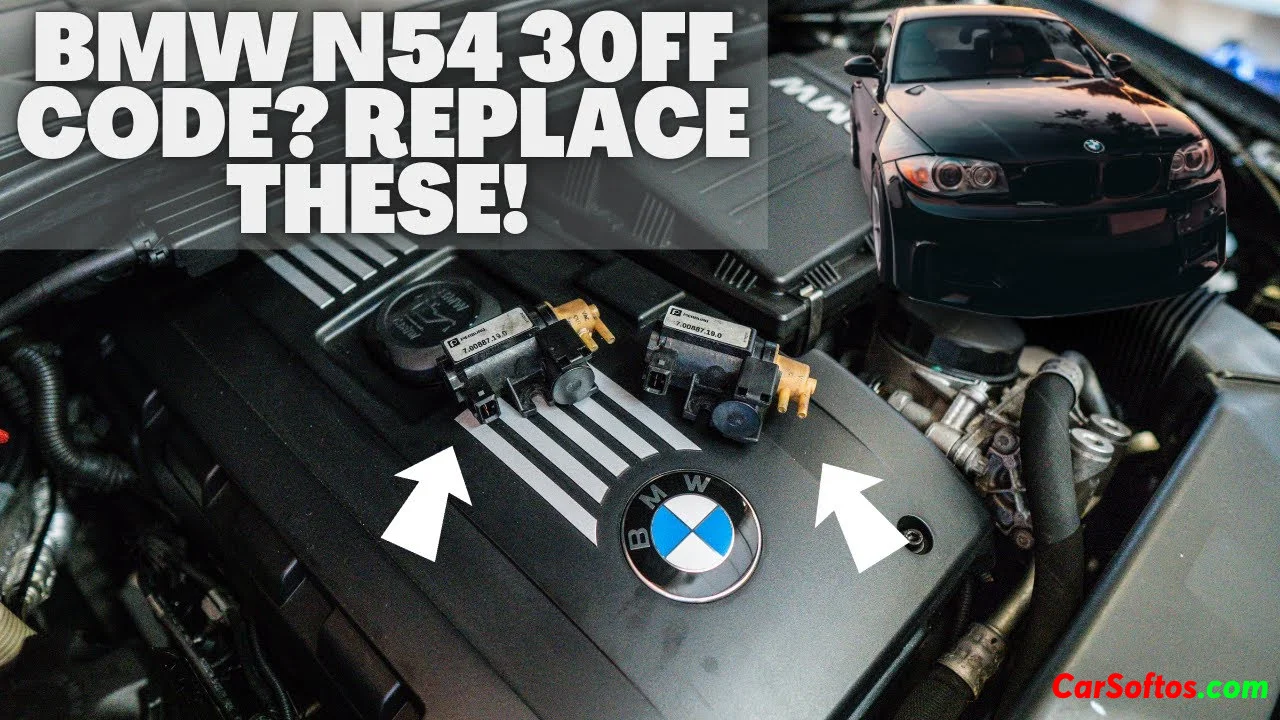
The BMW 30FF fault code usually means “turbocharger, charge-air pressure too low” or underboost. In plain English, the engine computer requested more boost than the turbo system actually produced. On BMW turbo engines, especially the N54 and many N55 applications, 30FF is one of the most common and most searched faults.
This is why 30FF gets so much attention: it is not just a warning-light code. It often comes with real performance loss, and the root cause can range from a simple boost leak or split vacuum line to a wastegate or turbocharger problem. BMW-focused guides and owner diagnostics repeatedly connect 30FF with boost leaks, vacuum-system leaks, weak wastegate control, and turbo wear/wastegate rattle.
🔎 What Does BMW 30FF Mean?
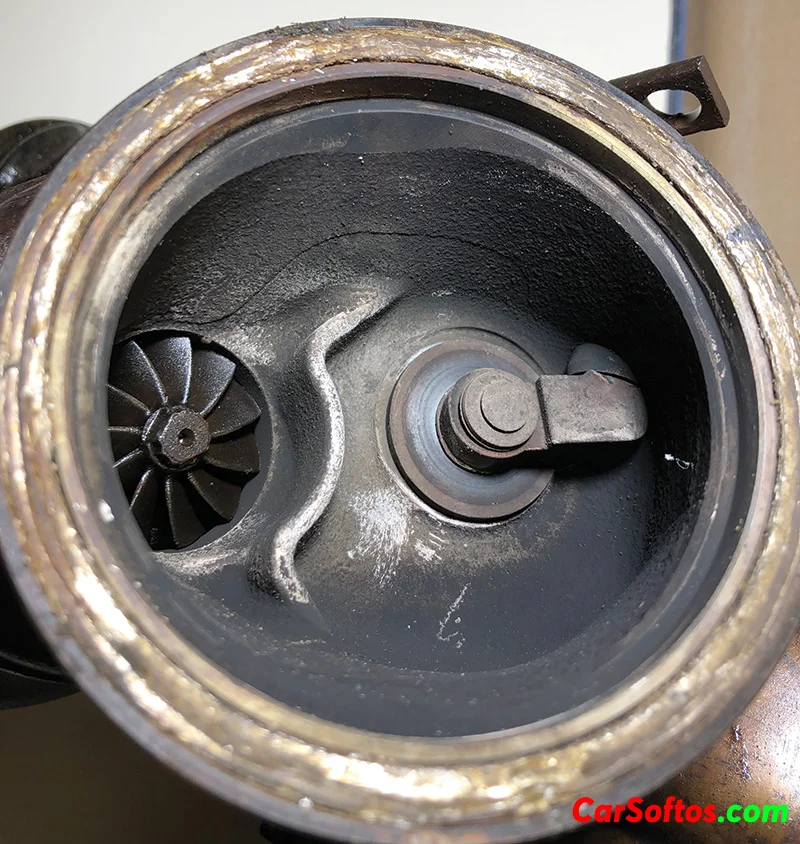
On a turbo BMW, the DME constantly compares:
-
target boost / requested charge pressure
-
actual boost / measured charge pressure
If actual boost stays too far below target, the DME stores 30FF. BMWTuning’s N54 guide describes 30FF as charge-air pressure too low, which is the classic underboost condition.
That does not automatically mean the turbo itself is dead. In real-world BMW diagnosis, 30FF often means one of these is happening:
-
boost is escaping through a chargepipe/intercooler/boost hose leak
-
the vacuum system cannot control the wastegates correctly
-
the wastegates are not sealing or responding properly
-
the turbo system is worn enough that it cannot hold requested boost.
🚗 BMW Engines and Models Where 30FF Is Common
30FF is especially common on BMW turbocharged gasoline engines, with the N54 being the most famous case. BMWTuning’s N54 common-problems guide lists turbocharger failure / wastegate rattle and boost/chargepipe leaks among the major N54 issues, which is exactly why 30FF is so common on that platform.
Typical affected cars include:
-
135i
-
335i / 335xi
-
535i
-
Z4 35i
-
turbocharged BMW models with N54
-
many N55 BMWs as well, especially where boost control or vacuum control is involved.
⚠️ Common Symptoms of 30FF
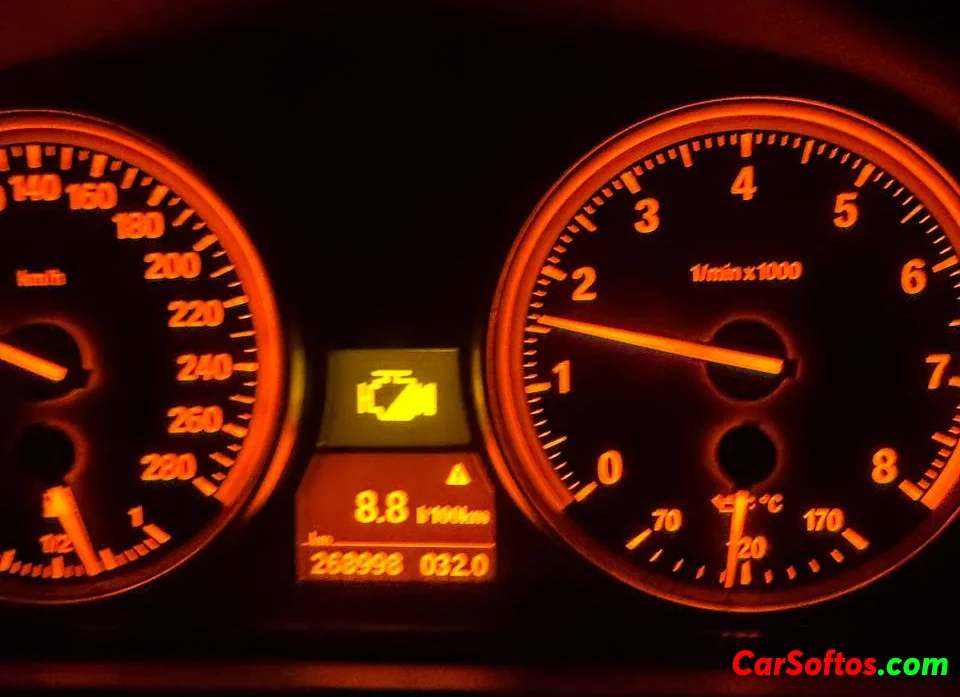
Typical symptoms
-
loss of power
-
weak acceleration
-
car feels slower than normal
-
reduced boost
-
half-engine / drivetrain warning on some cars
-
Check Engine Light
-
sometimes whistling, boost leak noise, or wastegate rattle
-
in some cases, limp mode.
A lot of owners describe the car as feeling flat or unable to hit normal boost. In forum discussions, drivers with 30FF often report the car struggling to build normal boost pressure or topping out well below expected boost under hard acceleration.
🧠 Why 30FF Is So Commonly Misdiagnosed
The biggest mistake is assuming:
30FF = replace the turbos
Sometimes that is true, but very often it is not. BMW owner diagnostics repeatedly show 30FF caused by split vacuum lines, leaking vacuum reservoirs, boost leaks, or wastegate-control issues before the turbo itself is truly condemned. One E90Post thread documents a case where a split vacuum line near the oil-filter area caused low boost and 30FF, and replacing the vacuum line restored normal boost.
That is why this code should be treated as a boost-system diagnosis code, not a one-part verdict.
🔧 Most Common Causes of BMW 30FF
1️⃣ Boost leak in the charge-air system
This is one of the most common causes.
Typical leak points include:
-
chargepipe
-
intercooler couplers
-
boost hoses
-
loose clamps or cracked plastic pipes
If the turbo makes boost but the pressurized air escapes before reaching the engine, the DME sees underboost and stores 30FF. BMW forum discussions and BMWTuning references repeatedly point to boost leaks as a primary 30FF cause.
2️⃣ Vacuum leak affecting wastegate control
On vacuum-controlled wastegate systems, leaking vacuum lines or bad vacuum supply can stop the wastegates from closing correctly. BMWTuning’s N55 EWG vs PWG writeup notes that leaking vacuum lines or problematic pumps can cause 30FF because the wastegate is not receiving the control pressure it needs to hit target boost.
This is especially important on older BMWs where the original rubber vacuum lines become brittle with heat and age. One E90Post 30FF thread specifically found a split vacuum line as the fix.
3️⃣ Leaking vacuum reservoir / boost canisters
On N54 cars, the factory plastic vacuum reservoirs are known to leak. In owner discussions, these leaking reservoirs are described as causing boost-control problems because they cannot properly store vacuum for the wastegate system. That can contribute to low boost or unstable wastegate control.
4️⃣ Wastegate problems
This is one of the most important 30FF causes on the N54.
If the wastegate:
-
cannot close fully
-
has worn linkage
-
is rattling
-
is mechanically stuck or leaking
then the turbo cannot build the requested boost. BMWTuning’s N54 problem guide highlights wastegate rattle / turbocharger issues as one of the major N54 problems, and forum discussions around 30FF often end with worn or leaking wastegates as the real culprit.
5️⃣ Wastegate solenoid / boost control solenoid issues
If the boost-control or wastegate-control solenoid does not operate correctly, the system may not control vacuum/pressure to the wastegates as intended. BMW owner diagnostics often include checking or replacing the boost/wastegate solenoids when chasing 30FF.
6️⃣ Actual turbocharger wear or failure
Sometimes 30FF does mean the turbochargers are worn enough that they can no longer meet target boost. On N54 engines, turbo wear and wastegate-related turbo failure are well-known long-term issues. BMWTuning explicitly lists turbocharger failure / wastegate rattle among the most common N54 problems.
7️⃣ Tuning-related boost target mismatch
On modified cars, aggressive boost targets or tune-related control problems can make 30FF show up sooner, especially if the hardware is only slightly weak. This is more of a secondary factor, but it matters on tuned BMWs. Owner log discussions often mention that once the easy leak and vacuum checks are done, the tune/hardware combination also needs to make sense.
📉 What 30FF Feels Like in the Real World
A lot of 30FF cases follow the same pattern:
At idle or light cruise
The car may feel almost normal.
Under heavy throttle
Requested boost rises, but actual boost lags behind.
Result
-
weak pull
-
reduced top-end power
-
hesitation
-
fault code appears under load.
That pattern is one reason why 30FF is often missed at first. The car may drive “okay” in normal traffic, but feel much slower when you actually ask for boost.
🔍 30FF vs Boost Leak vs Wastegate Problem
Here is the practical difference:
More boost-leak-like behavior
-
whooshing or hissing under boost
-
car still tries to spool
-
actual boost falls short
-
visible cracked coupler, hose, or chargepipe issue.
More vacuum/wastegate-control-like behavior
-
inconsistent boost response
-
slow spool
-
underboost after vacuum-line aging
-
improves after fixing vacuum lines or reservoirs.
More worn wastegate / turbo-like behavior
-
persistent underboost despite leaks being fixed
-
wastegate rattle
-
weak boost response even after vacuum system checks
-
logs suggest wastegates are not sealing well enough.
🛠️ How to Diagnose BMW 30FF Properly
Step 1: Read all related codes
Do not stop at 30FF. Look for:
-
fuel-pressure faults
-
misfire faults
-
other boost-control codes
-
drivetrain limp-mode faults
This helps separate a pure boost problem from a broader engine issue. Forum diagnostics around 30FF often rely on the full code picture and logs, not a single fault line.
Step 2: Inspect the charge-air path
Check:
-
chargepipe
-
intercooler hoses
-
couplers
-
clamps
-
plastic boost pipes
A simple leak here can cause a very expensive-looking fault.
Step 3: Check vacuum lines carefully
On vacuum-controlled setups, inspect the small vacuum lines, especially in hot engine-bay areas. Split or brittle lines are a documented real-world fix for 30FF.
Step 4: Check vacuum reservoirs / canisters
On N54 cars, leaking vacuum reservoirs can interfere with wastegate control. Owners specifically describe the plastic vacuum tanks as a known leak point.
Step 5: Evaluate wastegate control
Check the wastegate actuators, linkage, and control solenoids. If the system cannot close the wastegates properly, boost will stay low.
Step 6: Only then suspect turbocharger failure
If all leaks, vacuum lines, reservoirs, and control parts check out, then worn wastegates/turbos move much higher on the suspect list.
💰 Repair Cost for BMW 30FF
Repair cost depends entirely on the cause.
Typical ranges:
-
vacuum line fix: cheap
-
boost hose / coupler / chargepipe repair: low to moderate
-
boost-control solenoid: moderate
-
vacuum reservoir repair: moderate
-
wastegate or turbocharger repair/replacement: expensive
This is exactly why 30FF is such a valuable article topic for search and AdSense: the reader usually has a real performance issue and wants to avoid an expensive wrong diagnosis.
🚗 Can You Drive With BMW 30FF?
Sometimes yes, but it is not a good idea to ignore it.
If the car only has mild power loss, you may be able to drive it for a short time. But if it comes with:
-
limp mode
-
severe underboost
-
misfires
-
major loss of power
then continuing to drive is a bad idea. Underboost itself is usually less destructive than overboost, but the real concern is that the underlying issue may worsen or leave the car with unsafe passing power. Forum reports also show some cars becoming barely able to make normal boost before the code triggers.
🏁 Final Verdict
BMW 30FF means the car is underboosting — actual charge pressure is lower than the DME expects. On BMW turbo engines, especially the N54 and many N55 cars, the most common real causes are:
-
boost leaks
-
vacuum leaks
-
leaking vacuum reservoirs
-
wastegate-control problems
-
worn wastegates / turbocharger issues.
The single best takeaway for readers is:
Do not replace the turbos just because you saw 30FF. Check the boost path and vacuum system first. That advice is grounded in exactly how real BMW 30FF cases are diagnosed and fixed.
come back