10 Check Engine Codes That Are Safe to Drive With (For a Short Time)
6-03-2026, 02:42. Posted by: carsoftos777
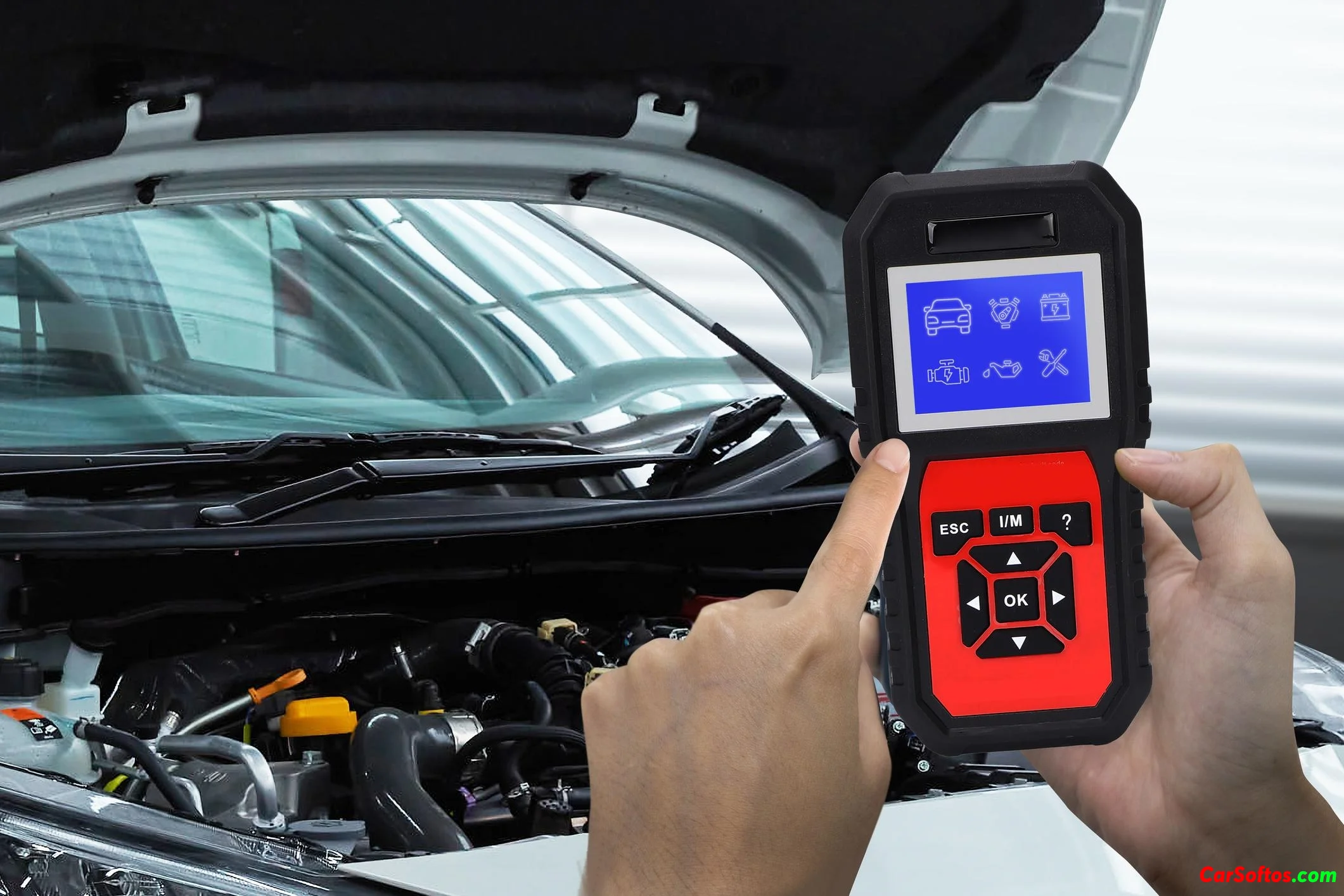
Seeing the Check Engine Light on your dashboard can be stressful.
But not every diagnostic trouble code (OBD2 code) means you must stop driving immediately.
Some codes indicate minor issues that usually allow you to drive the vehicle safely for a short period until you schedule repairs.
However, even these codes should not be ignored for long periods, as small problems can eventually turn into expensive repairs.
Below are 10 common Check Engine codes that are usually safe to drive with temporarily.
⛽ 1. P0457 — EVAP System Leak Detected (Loose Gas Cap)
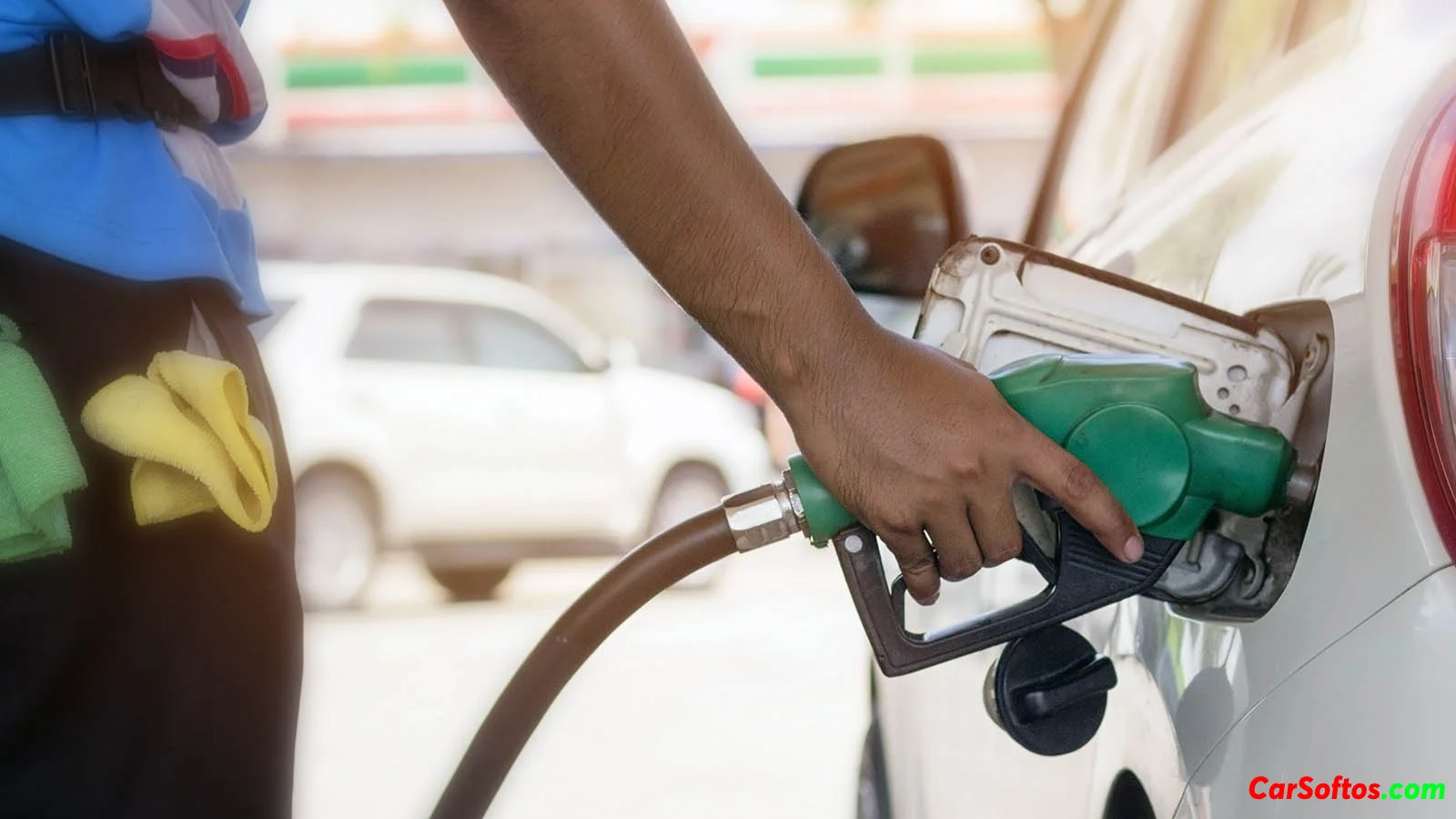
This is one of the most common Check Engine codes.
It usually occurs when the gas cap is loose or not sealed properly.
Symptoms:
-
Check Engine Light
-
no noticeable driving problems
Solution:
✔ tighten or replace the gas cap
💰 Typical repair cost:
-
Gas cap replacement — $20 – $60
🌡️ 2. P0128 — Coolant Thermostat Below Regulating Temperature
This code indicates the engine is running cooler than expected.
Common cause:
-
worn thermostat
Symptoms:
-
slightly lower fuel economy
-
longer engine warm-up time
The vehicle can usually still be driven normally.
💰 Typical repair cost:
-
Thermostat replacement — $120 – $400
🌬️ 3. P0442 — EVAP System Small Leak
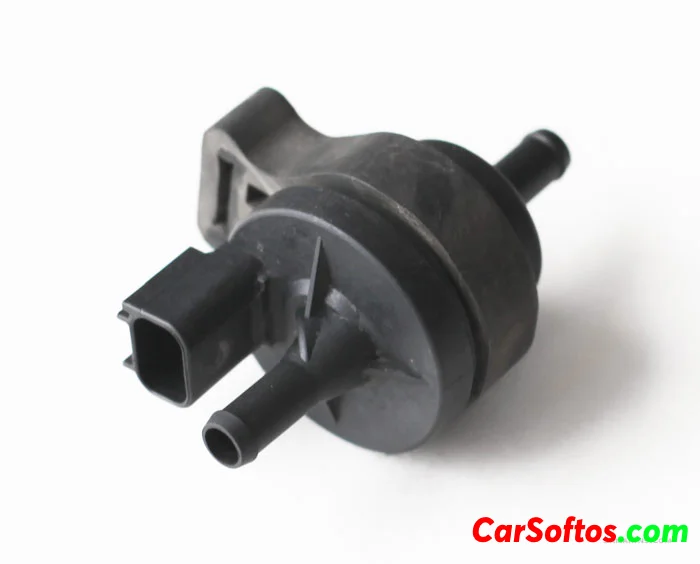
This code indicates a small leak in the EVAP system.
Common causes:
-
cracked EVAP hose
-
loose gas cap
-
faulty purge valve
Symptoms are usually limited to the Check Engine Light only.
💰 Possible repair cost:
-
EVAP hose repair — $100 – $300
🔧 4. P0101 — Mass Air Flow Sensor Performance
The MAF sensor measures air entering the engine.
If it becomes dirty or slightly inaccurate, the engine may trigger this code.
Symptoms may include:
-
slightly rough idle
-
minor fuel economy changes
Many times the sensor simply needs cleaning.
💰 Typical repair cost:
-
MAF cleaning — $20 – $50
-
MAF replacement — $150 – $350
🛢️ 5. P0133 — O2 Sensor Slow Response
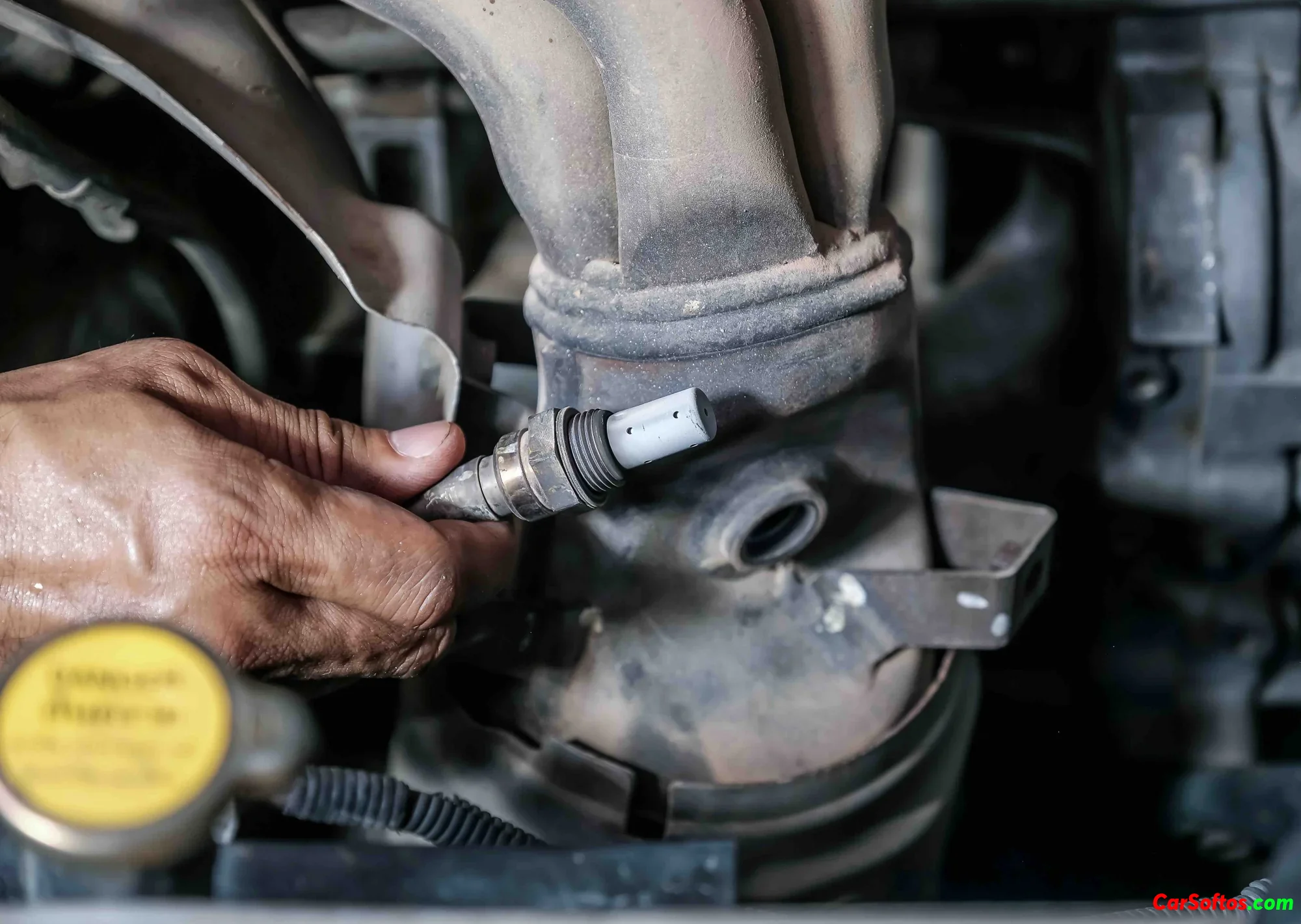
This code indicates the oxygen sensor is responding slower than expected.
Symptoms:
-
slightly higher fuel consumption
-
Check Engine Light
The car usually continues driving normally.
💰 Typical repair cost:
-
O2 sensor replacement — $150 – $400
🚗 6. P0500 — Vehicle Speed Sensor Malfunction
The vehicle speed sensor measures how fast the car is moving.
Symptoms may include:
-
speedometer irregularities
-
cruise control not working
However, the vehicle usually remains drivable.
💰 Repair cost:
-
Sensor replacement — $120 – $300
⚙️ 7. P0456 — EVAP System Very Small Leak
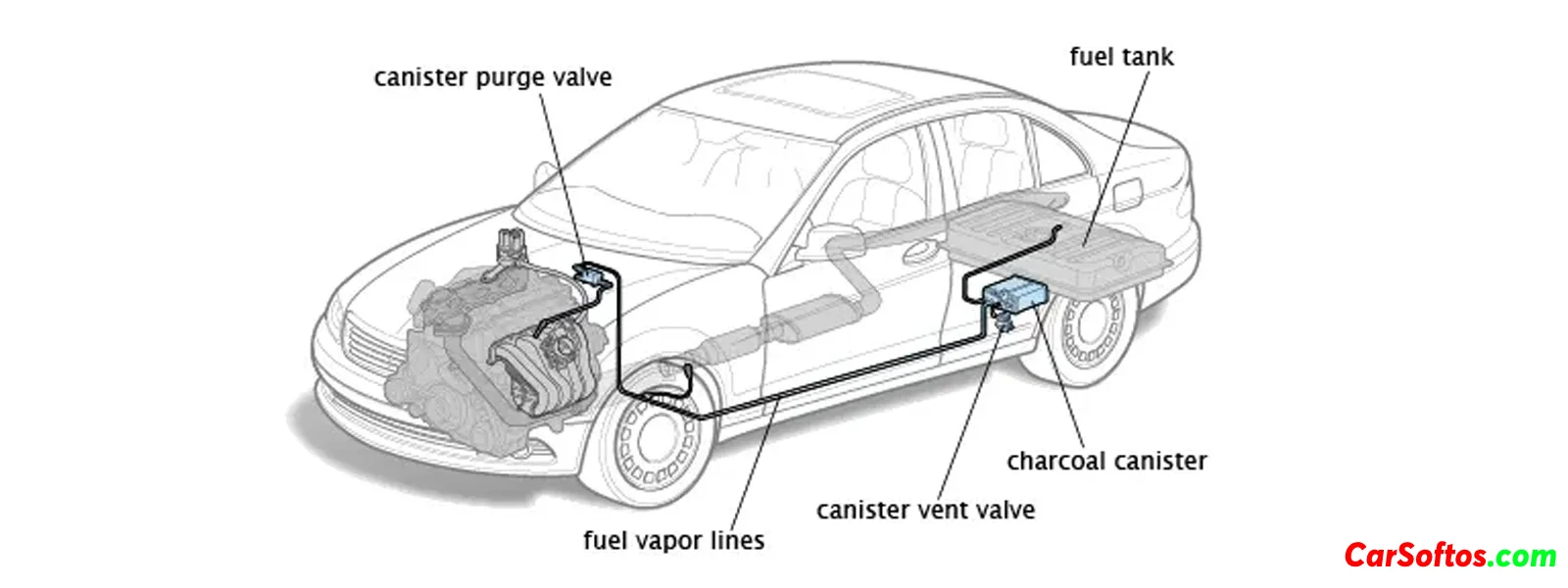
This code indicates a very small EVAP leak.
Symptoms:
-
Check Engine Light only
-
no driving issues
Often caused by:
-
small cracked hose
-
loose gas cap
-
purge valve problem
💰 Repair cost:
-
EVAP system repair — $100 – $300
🔋 8. P0562 — System Voltage Low
This code indicates the vehicle electrical system voltage is low.
Common causes:
-
weak battery
-
failing alternator
-
poor electrical connections
The vehicle usually continues running, but the issue should be addressed soon.
💰 Possible repair costs:
-
Battery replacement — $120 – $300
-
Alternator replacement — $400 – $900
🧰 9. P0410 — Secondary Air Injection System Malfunction
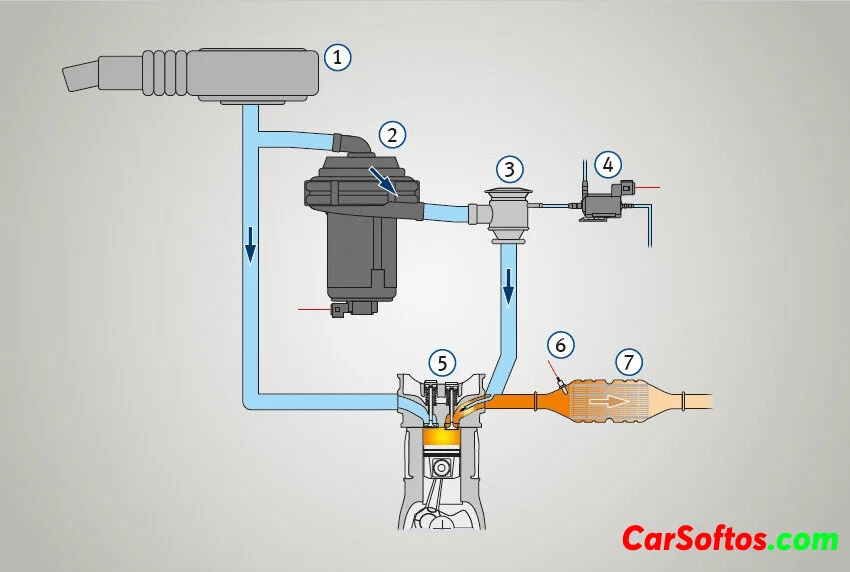
This system helps reduce emissions during cold starts.
If it fails, it typically does not affect engine performance significantly.
Symptoms:
-
Check Engine Light
-
slightly higher emissions
💰 Repair cost:
-
Air pump replacement — $300 – $800
🔎 10. P0174 — System Too Lean (Bank 2)
This code indicates the engine is running slightly lean.
Possible causes include:
-
vacuum leak
-
dirty MAF sensor
-
aging oxygen sensor
The vehicle usually continues running, but fuel economy may suffer.
💰 Possible repair cost:
-
Vacuum leak repair — $150 – $500
🏁 Final Thoughts
Not every Check Engine code means immediate danger.
Codes related to EVAP leaks, sensors, or emissions systems are often safe to drive with temporarily.
However, drivers should still:
✔ scan the vehicle with an OBD2 scanner
✔ diagnose the issue
✔ repair the problem before it becomes worse
Ignoring small issues for too long can lead to larger and more expensive repairs.
come back